Key Takeaway
The AI-driven valuation bubble in global semiconductors is deflating, signaling a painful transition for Indian IT exporters. Expect a shift from growth-at-any-price to defensive, cash-rich domestic plays as high-beta tech faces a liquidity-driven correction.
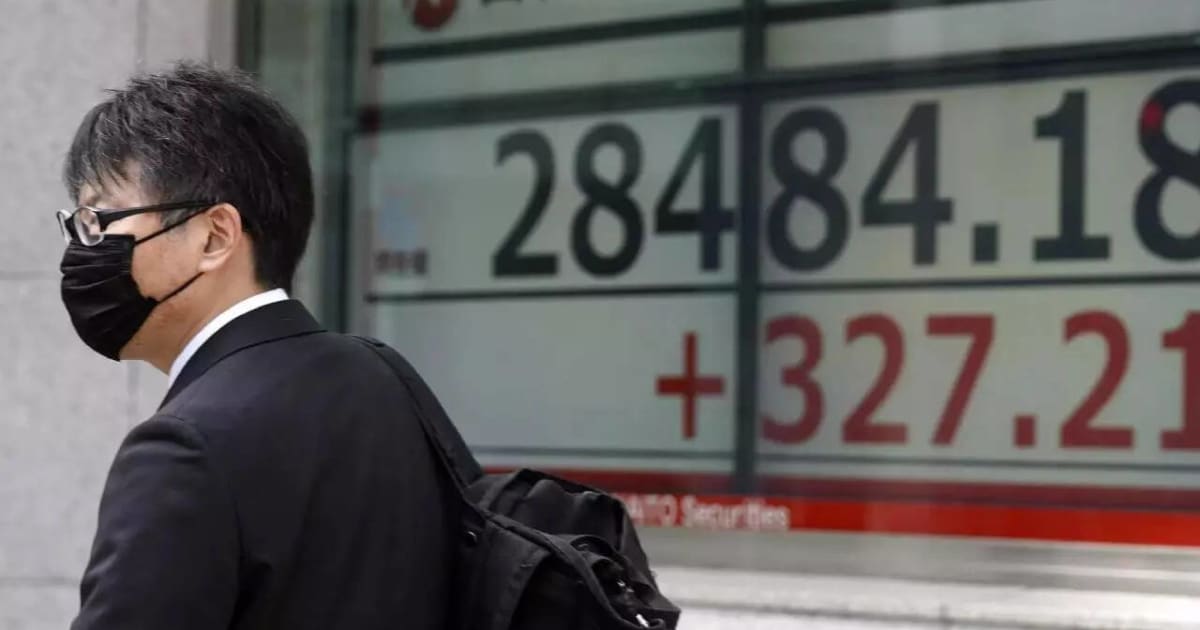
As global chipmakers reel from a demand-supply mismatch, the ripple effects are slamming the Indian Nifty IT index. We analyze why the current AI-led exuberance is hitting a wall and how investors should rotate their portfolios to survive the impending volatility.
The Great AI Decoupling: Why Indian IT is Caught in the Crossfire
For the better part of 18 months, the narrative surrounding the Indian IT sector has been inextricably linked to the global AI gold rush. However, the recent seismic shift in semiconductor valuations—sparked by a cooling of demand for high-end AI chips in US and Asian markets—has exposed the fragility of this optimism. When the 'picks and shovels' of the AI revolution face a valuation reset, the service-layer providers in India are the first to feel the tremors.
How will the global chip selloff impact Indian IT valuations?
The correlation between the Philadelphia Semiconductor Index (SOX) and the Nifty IT index has hit a three-year high. Historically, when US tech capex cycles contract, Indian IT service providers experience a 3-6 month lag before revenue guidance is revised downward. Unlike the 2022 inflationary spike, this correction is valuation-driven rather than purely macro-driven. We are witnessing a repricing of future earnings, as clients move from 'AI experimentation' to 'AI monetization,' a transition that is proving slower and more capital-intensive than the market anticipated.
The Valuation Compression Mechanism
Current P/E multiples for the Indian IT majors are trading at a 15-20% premium to their 5-year historical averages. With global FIIs (Foreign Institutional Investors) rebalancing portfolios toward lower-beta, high-dividend sectors, the liquidity that sustained these valuations is evaporating. A 5% drop in global semiconductor demand typically correlates with a 7-9% contraction in Nifty IT earnings growth expectations over the subsequent two quarters.
Stock-by-Stock Analysis: Who is Most Exposed?
- TCS (TATA CONSULTANCY SERVICES): As the industry bellwether, TCS faces the most direct impact from global client budget freezes. With a P/E of ~30x, it lacks the margin of safety for a sustained tech contraction.
- Infosys (INFY): Highly sensitive to discretionary spending in North American financial services. Any delay in cloud migration projects, which are often the precursor to AI integration, will hit their bottom line directly.
- HCL Technologies (HCLTECH): Heavily leveraged toward R&D and engineering services. If global semiconductor firms cut their R&D budgets, HCL is the most vulnerable among the top-tier players.
- Wipro (WIPRO): Currently undergoing a structural transformation. The market has little patience for turnaround stories during a sector-wide correction, making it a high-risk candidate for further downside.
- Tech Mahindra (TECHM): Exposure to the telecom sector provides some stability, but their heavy reliance on hardware-linked software integration makes them a captive of the current chip-cycle volatility.
The Contrarian View: Bulls vs. Bears
The Bear Case: The 'AI-as-a-service' revenue stream is a drop in the bucket compared to legacy maintenance. As clients cut back on legacy spend to fund AI projects that aren't yielding ROI, total addressable market (TAM) for Indian IT is effectively shrinking.
The Bull Case: Digital transformation is non-negotiable. Even if the AI hype cools, the migration to cloud and cybersecurity remains a structural tailwind. Bulls argue that current pullbacks are merely 'healthy corrections' that offer attractive entry points for long-term investors looking for a 3-5 year horizon.
Actionable Investor Playbook: Navigating the Volatility
Investors should adopt a 'defensive rotation' strategy. We recommend reducing exposure to high-beta IT stocks and increasing allocations toward sectors with domestic consumption drivers, specifically FMCG and Pharma, which possess better pricing power in a stagflationary environment.
- Sell/Reduce: IT stocks trading at >25x P/E with stagnant revenue growth.
- Watch: Mid-cap IT firms that have niche AI-specialization (e.g., specialized data labeling or LLM fine-tuning), as these may outperform the large-cap laggards.
- Time Horizon: Maintain a 6-12 month defensive stance until the Nifty IT index finds a stable floor, likely 10-12% below current levels.
Risk Matrix
| Risk Factor | Probability | Impact |
|---|---|---|
| FII Outflows | High | Severe |
| US Recessionary Pressures | Medium | High |
| INR Appreciation | Low | Medium |
What to Watch Next
Watch for the upcoming US Federal Reserve meeting minutes and Q3 guidance revisions from major US tech giants (Microsoft, Accenture). These will be the primary catalysts for the next leg of volatility. Any hint of a 'higher-for-longer' interest rate environment will further compress the valuations of growth-dependent IT stocks.
Disclaimer: This content is generated by WelthWest Research Desk based on publicly available reports and is for informational purposes only. It does not constitute financial advice, investment recommendations, or an offer to buy or sell securities. Always consult a qualified financial advisor before making investment decisions.