Key Takeaway
The global AI-led tech correction is forcing a rotation from high-beta IT exporters to import-sensitive energy plays. Investors should pivot toward domestic consumption stories as cooling oil prices provide a critical macro buffer.
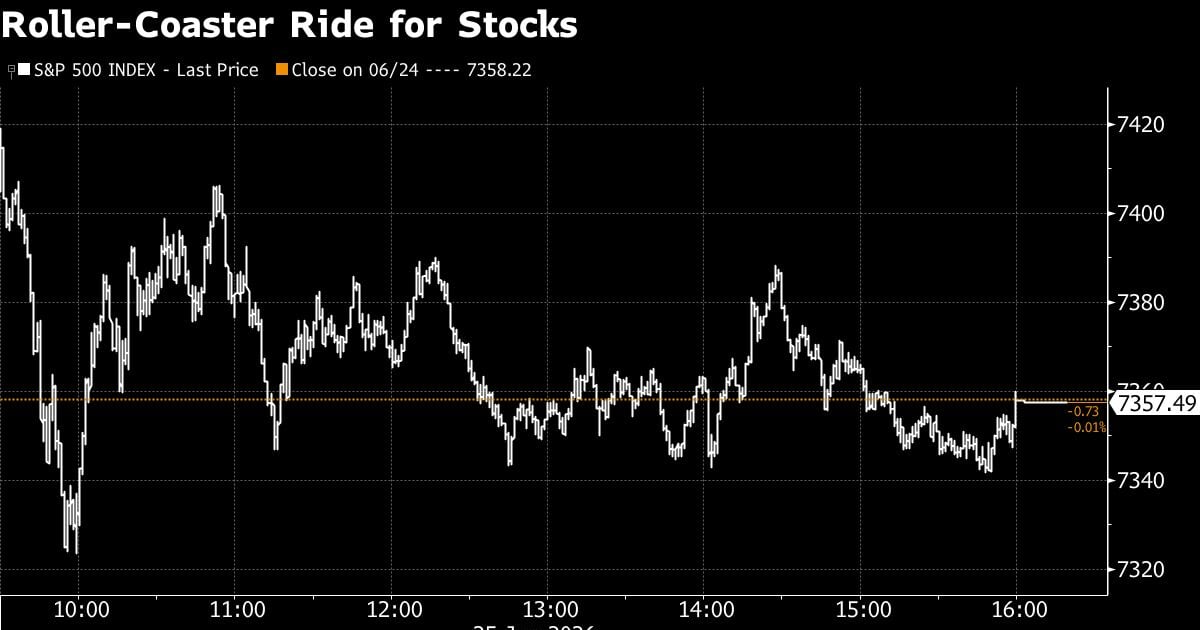
Global markets are undergoing a fundamental shift as the AI hype cycle meets reality, triggering a sell-off in high-valuation tech. For Indian investors, this creates a dual-track reality: IT services face sustained liquidity pressure, while reduced geopolitical risk in the Middle East offers a lifeline to energy-dependent sectors.
The Great Rotation: Why Global AI Sentiment Matters for Nifty 50
The global equity landscape is undergoing a structural recalibration. As the aggressive valuation premiums applied to AI-centric semiconductor and software giants begin to deflate, we are witnessing a classic 'risk-off' trade. For the Indian markets, which have long acted as a beta-play on global tech spending, this shift is not merely noise—it is a fundamental change in capital flow dynamics.
When US-based tech leaders experience a valuation compression, Foreign Institutional Investors (FIIs) typically trim positions in emerging market proxies to shore up liquidity. Indian IT services, which derive over 60% of their revenue from North American enterprises, are currently the primary targets for this reallocation.
How will the AI valuation correction affect your IT portfolio?
Historically, when the Nasdaq-100 experiences a drawdown exceeding 5%, Indian IT exporters see a lagged correction of 3-4% within the following fortnight. The current environment is exacerbated by the tightening of discretionary tech budgets. Large-cap IT firms are seeing a shift from 'transformational' spending—which carried high margins—to 'efficiency-led' spending, which is far more commoditized.
The P/E multiples of mid-cap IT stocks, which stretched to historical highs of 40x-50x, are now facing a reality check. We expect a contraction toward the 25x-30x range as earnings growth fails to justify the previous speculative premiums.
The Energy Tailwind: The Hidden Macro Play
While the IT sector faces a liquidity drought, the easing of geopolitical tensions in the Strait of Hormuz acts as a direct stimulus for India’s import-heavy economy. India imports nearly 85% of its crude oil requirements; a sustained decline in Brent crude volatility translates directly to a lower Current Account Deficit (CAD) and reduced inflationary pressure.
Stock-by-Stock Analysis: Who Wins and Who Loses?
- TCS (NSE: TCS): As a bellwether, TCS is currently experiencing a valuation reset. While its balance sheet remains a fortress, the lack of acceleration in deal wins in the US market keeps the stock range-bound. Investors should watch for the $35-40 billion revenue guidance range.
- Infosys (NSE: INFY): Facing significant pressure from the slowdown in financial services and retail tech spending. We maintain a cautious view until the US Fed signals a pivot, which would stabilize enterprise software budgets.
- BPCL & HPCL (NSE: BPCL, HPCL): These are our primary 'winners' in this scenario. Lower crude prices improve their gross refining margins (GRM). Historically, when oil drops below $75/bbl, these OMCs see a 12-15% expansion in net margins.
- InterGlobe Aviation (NSE: INDIGO): Lower fuel costs (ATF) constitute the single largest tailwind for airline profitability. With fuel accounting for ~40% of operating expenses, any sustained dip in oil prices is a direct boost to their bottom-line EPS.
Expert Perspective: Contrarian vs. Consensus
The Bear Case: Analysts arguing for a deep correction point to the 'earnings yield gap.' They contend that if bond yields remain elevated while IT earnings growth decelerates, the Nifty IT index could face a further 10-15% downside before finding a floor.
The Bull Case: Contrarians argue that the 'Digital Transformation' narrative is not dead, merely maturing. They suggest that the current correction is a healthy 'shake-out' that will allow long-term investors to enter at more reasonable valuations, especially as companies like TCS and HCL begin to monetize AI-integrated service offerings.
Actionable Investor Playbook
Investors should adopt a barbell strategy:
- Trim IT Exposure: Reduce weightings in high-beta tech stocks that have outperformed the Nifty IT index by more than 20% over the last year.
- Accumulate Energy/Defensive Plays: Increase exposure to OMCs and paint manufacturers (e.g., Asian Paints) which benefit from lower raw material costs linked to crude oil.
- Watch the Fed: The next US Non-Farm Payrolls and CPI data are the primary catalysts. If inflation data cools, the case for a 'soft landing' strengthens, potentially reversing the IT sell-off.
Risk Matrix
| Risk Factor | Probability | Impact |
|---|---|---|
| Escalation in Middle East Tensions | Medium | High |
| Persistent US Stagflation | Low | Very High |
| Unexpected RBI Rate Hike | Very Low | Medium |
What to Watch Next
The upcoming quarterly earnings season for the Nifty 50 will be the ultimate litmus test. Specifically, look for the 'management commentary' from mid-cap IT firms regarding their H2FY25 outlook. If guidance remains muted, the current correction could extend through the next two quarters. Simultaneously, monitor the Brent Crude futures curve; if the backwardation continues, it signals sustained lower energy prices, confirming the structural tailwind for the Indian domestic sector.
See TCS's AI Score
Our algorithmic screener scores TCS on fundamentals, momentum, and risk — free to try, no card needed.
Try the AI Screener →Have questions about this story?
Ask Welth, our finance-focused AI research assistant, for a deeper breakdown — free trial included.
Chat with Welth AI →Disclaimer: This content is generated by WelthWest Research Desk based on publicly available reports and is for informational purposes only. It does not constitute financial advice, investment recommendations, or an offer to buy or sell securities. Always consult a qualified financial advisor before making investment decisions.