Key Takeaway
Akzo Nobel’s rejection of Nippon Paint’s $8.6 billion bid signals a shift toward strategic synergy over cash-out M&A. For Indian investors, this reinforces a 'quality-over-scale' premium, pressuring domestic paint giants to maintain high-margin growth amidst global consolidation.
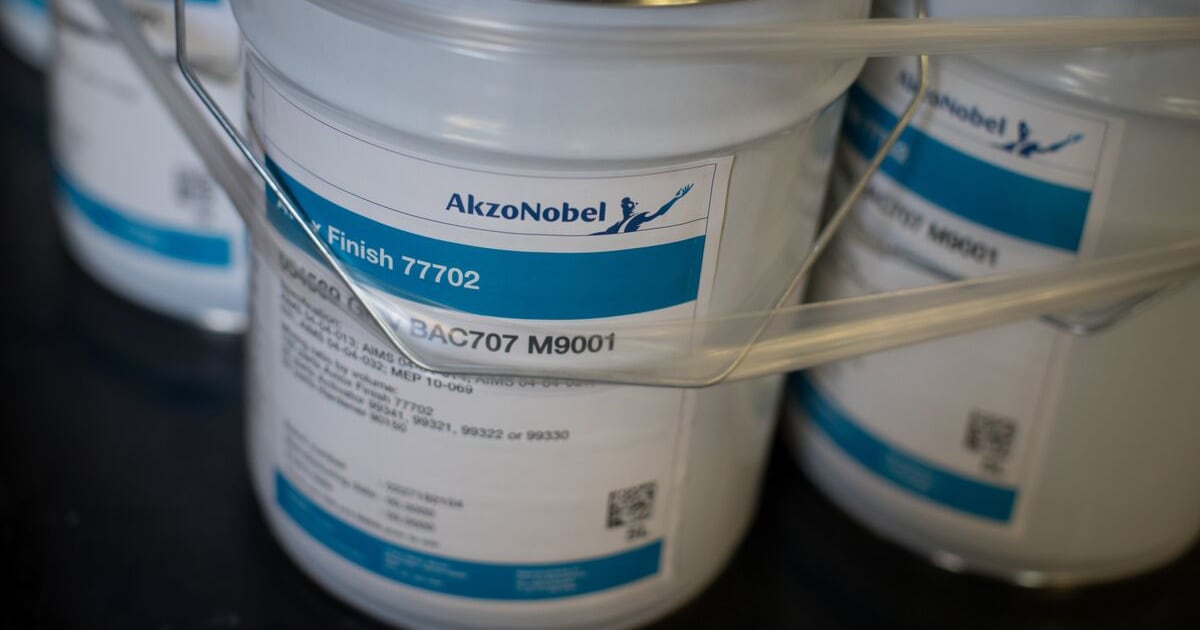
Akzo Nobel has formally rejected a massive $8.6 billion takeover bid from Japan’s Nippon Paint, opting instead to pursue a merger with Axalta Coating Systems. This decision highlights the intensifying global race for market share in the specialty chemicals sector. We break down the implications for Indian paint majors and what this means for your portfolio.
The Strategic Pivot: Why Akzo Nobel Said No to $8.6 Billion
In a move that has sent ripples through the global specialty chemicals industry, Akzo Nobel has rebuffed an unsolicited $8.6 billion takeover offer from Nippon Paint. While the market often views such high-premium bids as an inevitable exit for shareholders, Akzo Nobel’s leadership has doubled down on its commitment to integrate with Axalta Coating Systems. This isn’t just a corporate disagreement; it is a fundamental shift in how global paint conglomerates view the future of the industry—prioritizing technological synergy and automotive coating dominance over immediate cash liquidity.
How does global M&A activity influence Indian paint stock valuations?
The Indian paint industry—a sector historically characterized by high entry barriers and double-digit volume growth—is deeply sensitive to global benchmarks. When global players like Akzo Nobel or Nippon Paint engage in aggressive M&A, it serves as a valuation floor for domestic giants. Historically, when global paint indices show volatility, Indian stocks often see a 'multiplier effect' where the valuation gap between domestic leaders and global peers is re-evaluated.
Currently, the Indian paint sector trades at a significant premium, with P/E ratios often exceeding 50x-60x for market leaders. This premium is predicated on the assumption that domestic players are 'best-in-class' compounders. Any global shift that forces a re-rating of companies like Akzo Nobel (the parent) directly impacts the valuation multiples investors are willing to pay for AKZOINDIA.
Stock-by-Stock Breakdown: The Impact on Your Portfolio
- ASIANPAINT (Asian Paints Ltd): As the undisputed market leader with a massive distribution network, Asian Paints is the primary beneficiary of sector stability. However, global consolidation may lead to increased competition if Nippon Paint, frustrated by the Akzo rejection, decides to pour more capital into its Indian operations to capture lost market share.
- BERGERPAINT (Berger Paints India): Berger has historically tracked global margin trends closely. With the global industry consolidating, Berger faces pressure to defend its margins. Watch for shifts in raw material sourcing costs as global supply chains restructure following the Axalta integration.
- KANSAINER (Kansai Nerolac Paints): As a subsidiary of a Japanese giant, Kansai Nerolac is directly tied to the strategic movements of its parent. If Nippon Paint is blocked from global expansion, they may pivot toward aggressive growth in the Indian automotive coatings market, putting pressure on Kansai’s current market share.
- AKZOINDIA (Akzo Nobel India): The domestic arm is in a unique position. While the parent deals with global M&A, the Indian entity remains a cash cow. Expect potential volatility as shareholders weigh the parent’s global strategy against the Indian subsidiary’s strong balance sheet.
The Expert Perspective: Bull vs. Bear
The Bull Argument: Bulls argue that this rejection is a sign of confidence. By refusing the $8.6 billion payout, Akzo Nobel is signaling that the internal value of their combined entity with Axalta is significantly higher than the current market price. This 'intrinsic value focus' is a positive signal for long-term investors who prioritize growth over short-term buyouts.
The Bear Argument: Bears caution that management may be overestimating their ability to integrate Axalta. If the merger fails to deliver the promised synergies, Akzo Nobel could face a massive shareholder revolt. Furthermore, if the global paint market faces a cyclical downturn, the rejection of a cash-heavy offer like Nippon’s will be viewed as a historical strategic blunder that destroyed shareholder value.
Investor Playbook: Navigating the Chemicals Sector
For investors, this news necessitates a defensive yet observant stance. Do not rush into buying the dip on global paint stocks until the Axalta merger terms are fully transparent. For the Indian market, focus on:
- Volume Growth: Monitor the quarterly volume growth of Asian Paints and Berger. If they maintain double-digit growth despite global sector volatility, they remain 'buys' on any correction.
- Margin Compression: Keep a close eye on the raw material cost indices. Global mergers often lead to supply chain disruptions—if Indian companies pass these costs onto consumers, it may impact demand.
- Time Horizon: This is not a short-term trade. The global paint industry is undergoing a structural shift. Hold positions for 3-5 years, focusing on companies with high return on equity (ROE) and low debt.
Risk Matrix
| Risk Factor | Probability | Impact |
|---|---|---|
| Axalta Merger Failure | Moderate | High |
| Nippon Paint Price War in India | Moderate | Medium |
| Global Raw Material Inflation | High | High |
What to Watch Next
The primary catalyst to watch is the upcoming regulatory filings regarding the Akzo-Axalta merger. Any delay in antitrust approvals in major jurisdictions (EU/US) will be the first red flag. Additionally, monitor the next earnings call for Kansai Nerolac; management commentary on competition from Nippon Paint will provide the clearest signal of how this global battle is playing out on the ground in India.
Disclaimer: This content is generated by WelthWest Research Desk based on publicly available reports and is for informational purposes only. It does not constitute financial advice, investment recommendations, or an offer to buy or sell securities. Always consult a qualified financial advisor before making investment decisions.


