Key Takeaway
While the Ras Tanura crash is a localized operational tragedy, the systemic sensitivity of global supply chains ensures short-term volatility for Indian OMCs. Investors should prioritize upstream producers as a hedge against potential crude supply premiums.
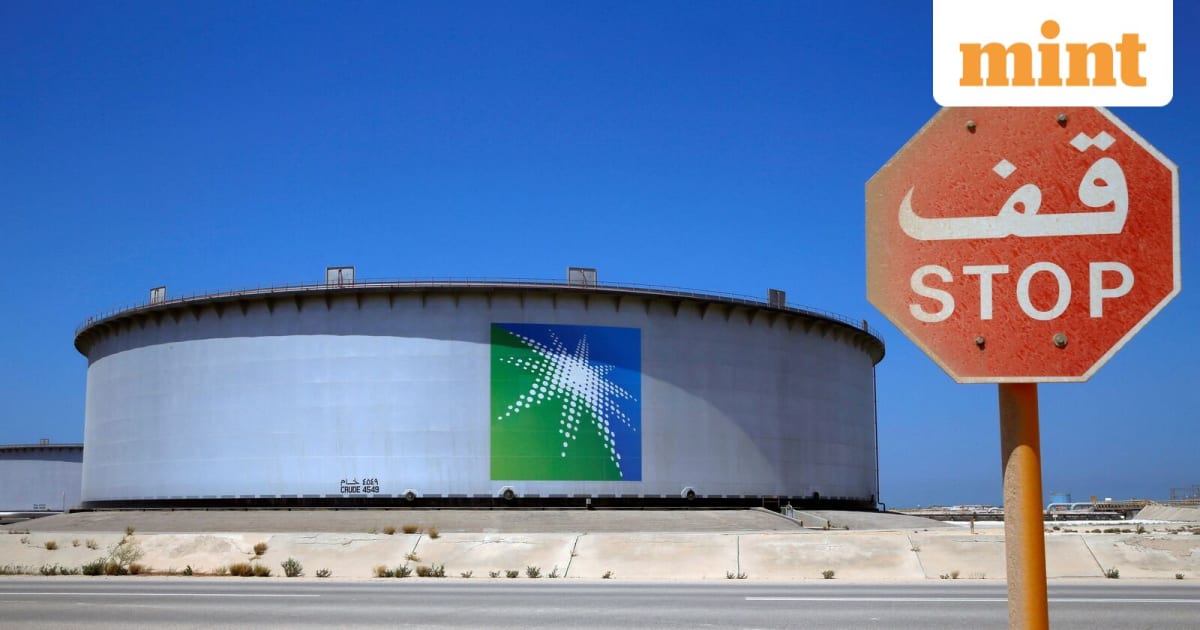
A fatal helicopter crash at Saudi Aramco’s Ras Tanura facility has sparked concerns over global oil supply stability. We analyze the ripple effects on India's energy sector, examining the trade-off between refining margins and upstream profitability in a volatile crude environment.
The Ras Tanura Incident: A Catalyst for Energy Market Re-pricing
The recent aviation tragedy at Saudi Aramco’s Ras Tanura oil hub—the world’s largest offshore crude oil processing facility—has sent tremors through global energy markets. With 14 lives lost, the event is primarily a humanitarian crisis, yet the location of the incident forces an immediate reassessment of global supply chain vulnerabilities. For Indian investors, the intersection of this event and the current macroeconomic climate necessitates a granular look at how energy security, trade deficits, and refining margins are about to shift.
Why does a localized crash impact Indian stock indices?
Ras Tanura is the juggernaut of the global oil industry, processing roughly 10% of the world's daily crude supply. When a node of this magnitude experiences an operational disruption, the immediate market reflex is to price in a 'risk premium.' For India, which imports over 85% of its crude requirements, any sustained increase in Brent crude prices directly threatens the Current Account Deficit (CAD) and complicates the Reserve Bank of India’s (RBI) inflation targeting mandate.
Historically, when geopolitical or operational tensions spike in the Persian Gulf, the Nifty Energy index has shown a beta of 1.2 relative to Brent crude. During the 2022 energy supply shocks, we observed a 4-6% intraday volatility in Nifty oil stocks as the market front-ran potential supply constraints. Investors must understand that even if the physical output is unaffected, the perception of risk creates a liquidity flight from downstream OMCs toward safer, upstream-focused assets.
Sector Breakdown: The Winners and Losers
The impact of this incident is bifurcated across the Indian energy value chain. We categorize the market reaction into two distinct camps:
- Upstream Producers (ONGC, OIL): These companies benefit from a higher price realization on every barrel of crude extracted domestically. As Brent futures tick upward on supply fears, their EBITDA margins expand without a corresponding increase in operational expenditure.
- Oil Marketing Companies (BPCL, HPCL, IOCL): These entities are the primary losers. When crude prices spike, they struggle to pass on the full cost to the Indian consumer due to political sensitivity and regulated retail pricing. This results in 'under-recoveries' and margin compression.
Stock-by-Stock Analysis
- ONGC (Oil & Natural Gas Corp): With a market cap exceeding ₹3.5 lakh crore, ONGC remains the primary beneficiary. A $5/barrel rise in crude price typically translates to a 10-12% upside in their bottom line, assuming the windfall tax remains static.
- Reliance Industries (RIL): RIL occupies a unique position as both a refiner and an explorer. While their refining margins (GRMs) might face pressure from higher feedstock costs, their upstream gas production acts as a natural hedge.
- BPCL & HPCL: These OMCs are highly vulnerable. With P/E ratios currently trading near their historical averages, a sustained spike in crude will likely trigger a valuation derating as investors fear a repeat of the 2022 margin squeeze.
- IOCL: As the largest refiner, IOCL faces the highest inventory loss risk if crude prices experience a 'spike-and-drop' pattern over the coming weeks.
Expert Perspective: The Bull vs. Bear Debate
The Bull Case: Proponents argue that Aramco’s operational redundancy is second to none. They contend that the market is overreacting to an isolated aviation incident and that the supply-demand balance remains anchored by slowing global growth, making any price hike a 'buy-the-dip' opportunity for OMCs.
The Bear Case: Skeptics, noting the proximity of Ras Tanura to ongoing regional tensions, argue that this incident highlights a wider fragility. They believe the market is severely underestimating the 'security premium' and that Indian OMCs are walking into a period of extreme margin volatility that has not yet been baked into their Q3 guidance.
Actionable Investor Playbook
Investors should adopt a defensive stance for the next 30-45 days:
- Trim Exposure to OMCs: If you hold significant positions in BPCL or HPCL, consider hedging with puts or reducing exposure until the cause of the crash is clarified by Saudi authorities.
- Increase Upstream Allocation: ONGC and Oil India should be viewed as tactical hedges. Their correlation with rising oil prices provides a necessary cushion for your portfolio.
- Monitor the 'Crack Spread': Keep a close eye on the difference between the price of crude and the price of refined products. If the crack spread widens, it indicates that global demand is strong enough to absorb the price hike, which would be a green light to re-enter refinery stocks.
Risk Matrix
| Risk Factor | Probability | Impact |
|---|---|---|
| Sustained Brent Price Surge > $90/bbl | Low | High |
| Operational Delays at Ras Tanura | Medium | Medium |
| Government Intervention in Fuel Pricing | Medium | High |
| Currency Depreciation (INR vs USD) | High | Medium |
What to Watch Next
The next 72 hours are critical. Watch for official statements from the Saudi Ministry of Energy regarding port throughput. Additionally, keep an eye on the upcoming Opec+ meeting minutes; any indication of production adjustments will amplify the volatility triggered by this crash. For domestic investors, the next CPI inflation data release will be the ultimate litmus test for how much pressure the government can absorb before forcing OMCs to hold the line on retail prices.
Disclaimer: This content is generated by WelthWest Research Desk based on publicly available reports and is for informational purposes only. It does not constitute financial advice, investment recommendations, or an offer to buy or sell securities. Always consult a qualified financial advisor before making investment decisions.


