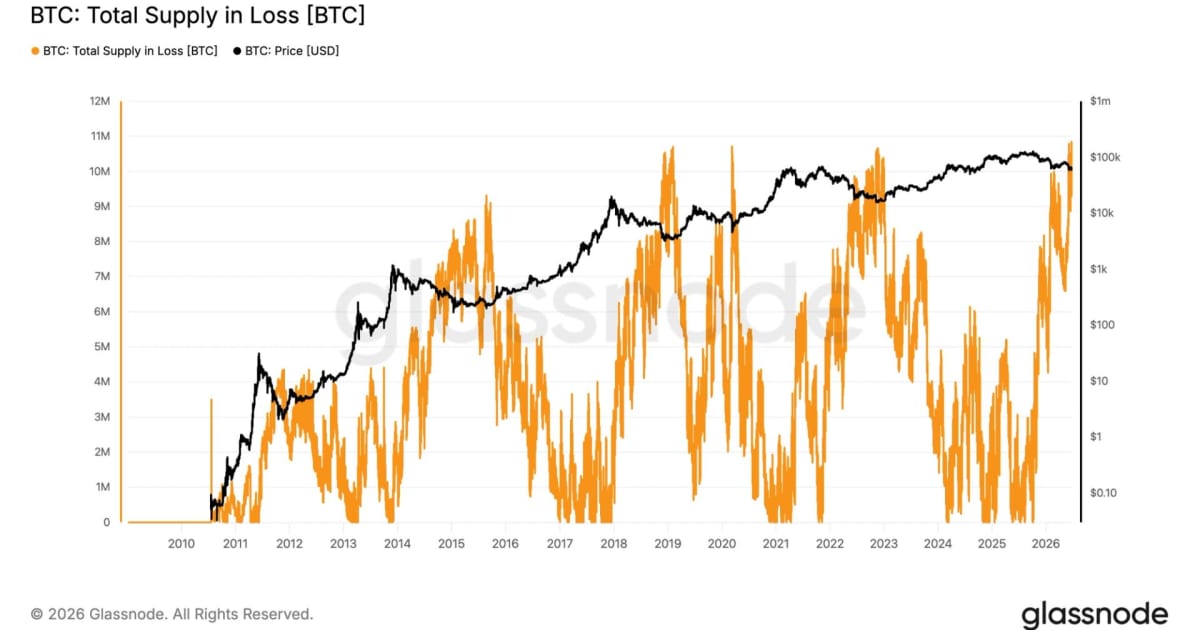
Key Takeaway
The breakdown of Bitcoin’s $59,000 support level signals a global liquidity contraction that threatens high-beta Indian fintechs. Investors should pivot toward defensive, cash-flow-positive equities as speculative fervor cools.
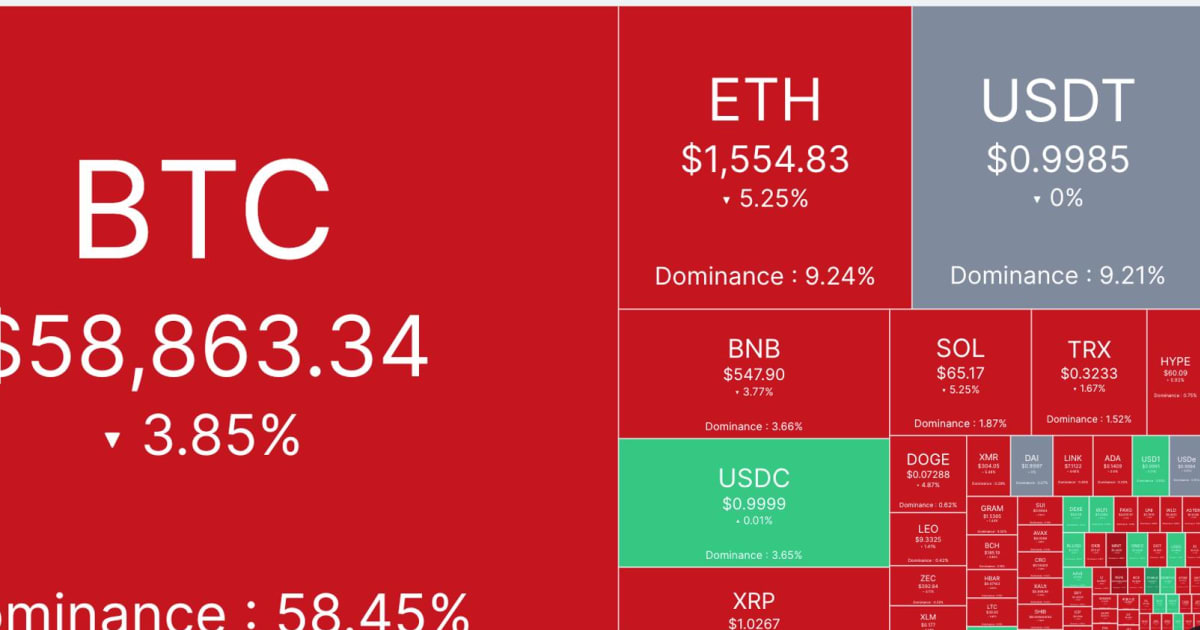
As Bitcoin dips below the critical $59,000 threshold, global risk-off sentiment is intensifying. This deep dive examines the potential contagion effects on Indian fintech and high-beta tech stocks, providing a strategic roadmap for navigating the current market volatility.
The $59,000 Breakdown: A Global Risk-Off Catalyst
The digital asset ecosystem is currently undergoing a structural reset. Bitcoin’s decisive breach of the $59,000 support level is not merely a technical correction; it is a signal of a broader liquidity withdrawal from the global speculative risk bucket. For the Indian investor, while the direct exposure to crypto-assets remains limited by regulatory frameworks, the correlation between global risk-appetite and domestic high-beta equity performance is undeniable.
Historically, when the US Dollar Index (DXY) strengthens alongside a crypto-selloff, capital flows out of emerging market (EM) growth stocks. We are observing the early stages of this dynamic. As speculative capital evaporates, the valuation multiples of Indian fintechs—which often trade on 'growth-at-any-cost' narratives—are coming under intense scrutiny.
Why does Bitcoin's price drop matter to the Indian stock market?
While the NSE and BSE are not directly linked to Bitcoin, they are highly sensitive to global liquidity conditions. When crypto markets face a drawdown, retail traders—a massive force in the Indian market—tend to deleverage. This creates a psychological 'wealth effect' reversal. If retail investors see their digital portfolios bleeding, they are statistically more likely to liquidate positions in high-beta domestic tech stocks to cover margin requirements or simply to de-risk.
During the 2022 crypto winter, we saw a notable 12-15% correlation spike between major fintech-adjacent stocks and the NASDAQ-100. As global liquidity tightens, the cost of equity for growth-stage companies rises, compressing P/E ratios across the board.
Stock-by-Stock Breakdown: Who is in the Crosshairs?
Investors must distinguish between companies with actual blockchain infrastructure and those merely exposed to fintech sentiment. The following stocks are currently seeing heightened volatility due to the broader risk-off environment:
- 63 Moons Technologies (NSE: 63MOONS): As a company with deep exposure to blockchain and fintech infrastructure, its valuation often mirrors the health of the broader digital asset space. Expect volatility if institutional adoption of blockchain slows.
- One 97 Communications (Paytm) (NSE: PAYTM): While not a crypto firm, its status as a high-beta, retail-heavy fintech makes it a proxy for sentiment toward speculative tech. The current environment increases pressure on its path to profitability.
- PB Fintech (PolicyBazaar) (NSE: POLICYBZR): High-growth digital platforms are prone to valuation compression when global risk premiums rise. Watch for support levels near their 200-day moving average.
- Nazara Technologies (NSE: NAZARA): With interests in Web3 and gaming, this stock is tethered to the health of the digital economy. A sustained crypto bear market may dampen investor enthusiasm for its Web3 growth narrative.
Expert Perspective: The Bull vs. Bear Divide
The Bear Case: Analysts at the WelthWest Research Desk note that if Bitcoin fails to reclaim $59,000 and slides toward $55,000, we could see a 'cascade effect.' This is where margin calls on retail-heavy platforms force the liquidation of broader equity holdings, leading to a liquidity trap in mid-cap tech stocks.
The Bull Case: Contrarians argue that this is a 'buy the dip' opportunity. They posit that the current correction is a healthy flushing out of leveraged long positions, and that the long-term institutional adoption of blockchain remains intact regardless of short-term price volatility.
Actionable Investor Playbook
In a high-volatility environment, the best defense is a focus on balance sheet strength rather than speculative narratives.
- Reduce Exposure to High-Beta: Trim positions in stocks with P/E ratios exceeding 60x that are not showing clear, sustainable path-to-profitability metrics.
- Rotate to Defensive Assets: Increase allocation to gold-linked ETFs or companies with high dividend yields and strong free cash flow (FCF).
- Watch the DXY: If the US Dollar Index continues to climb, maintain a 'cash-is-king' stance until volatility stabilizes.
- Monitor RBI Policy: Watch for any shifts in interest rate expectations, as these will be the primary driver for domestic fintech valuation stability.
Risk Matrix
| Risk Factor | Probability | Impact |
|---|---|---|
| Margin Call Cascades | Medium | High |
| Structural Crypto Bear Market | Low-Medium | High |
| Retail Sentiment Capitulation | Medium | Medium |
What to Watch Next
The next 30 days are critical. Investors should monitor the upcoming US CPI data releases and the Federal Reserve's stance on interest rates. Additionally, observe the trading volume on major Indian retail platforms—a sharp decline in volume is a leading indicator that retail participation in high-beta stocks is waning, signaling further potential downside for the tech sector.
Disclaimer: This content is generated by WelthWest Research Desk based on publicly available reports and is for informational purposes only. It does not constitute financial advice, investment recommendations, or an offer to buy or sell securities. Always consult a qualified financial advisor before making investment decisions.