Key Takeaway
Bitcoin’s current technical fragility serves as a leading indicator for a global liquidity contraction. For Indian investors, this suggests a rotation out of high-beta tech exposure into defensive, cash-flow-generative assets.

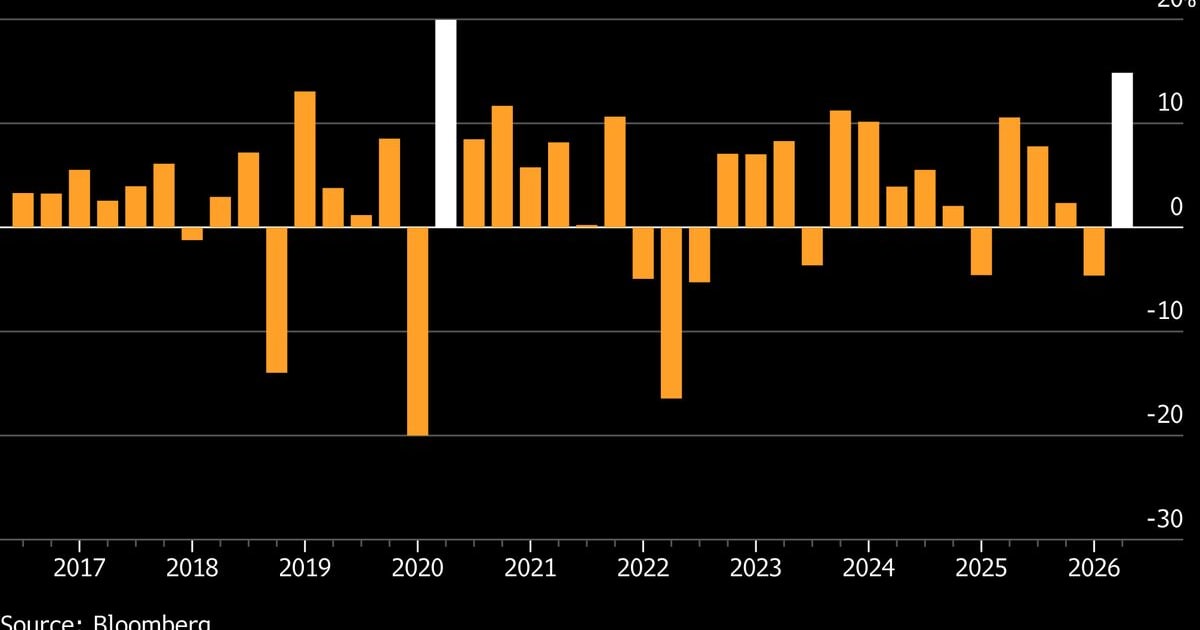
Following a rare first-half contraction, Bitcoin’s Q3 'red zone' performance is signaling a cooling of risk appetite. This deep dive explores the ripple effects on Indian IT services, blockchain-linked stocks, and the broader Nifty 50 landscape.
The Bitcoin Paradox: Why Q3 Signals a Global Liquidity Shift
Bitcoin has entered the third quarter in a precarious position, marking a rare H1 decline that has sent shockwaves through global risk-on assets. Historically, Q3 often serves as a consolidation period, but this year’s entry point suggests something more systemic: a cooling of the speculative fervor that defined the first half of 2024. For the Indian investor, this is not merely a crypto story; it is a macroeconomic signal indicating that global liquidity is tightening, a phenomenon that historically precedes significant volatility in high-growth equity markets.
How will Bitcoin’s volatility affect Indian IT and fintech stocks?
The correlation between crypto-asset performance and high-beta technology stocks is tightening. When Bitcoin faces downward pressure, retail sentiment—often the engine behind speculative trading platforms—dampens. In India, this sentiment spillover affects companies that are either directly involved in blockchain integration or those whose valuation models are overly sensitive to global risk-appetite shifts.
We saw a similar pattern in 2022, when the collapse of major crypto exchanges coincided with a 15-20% correction in mid-cap IT stocks as investors repriced the risk-reward ratio of digital-adjacent business models. As Bitcoin struggles to reclaim historical highs, the 'flight to safety' is already visible, with capital shifting toward gold and defensive sectors like FMCG and Pharma.
Deep Market Impact: Connecting the Dots
The Indian IT services sector, characterized by companies like Tata Consultancy Services (TCS) and Persistent Systems, operates on a global revenue model. When US-based fintech clients face liquidity constraints due to crypto-market volatility, their discretionary spending on digital transformation—specifically blockchain and distributed ledger technology (DLT)—is often the first line item to be cut. With P/E ratios in the IT sector remaining elevated, any sustained downturn in global risk appetite could lead to multiple compression.
Stock-by-Stock Breakdown
- Persistent Systems (PERSISTENT): Highly exposed to digital engineering and blockchain-adjacent projects. A cooling in the crypto sector often results in delayed project approvals from their US-based fintech clientele.
- Zensar Technologies (ZENSARTECH): As a mid-cap player, Zensar’s growth is tied to high-growth tech spending. A shift in sentiment toward 'defensive' tech could see them underperform compared to large-cap peers.
- Tata Consultancy Services (TCS): While diversified, TCS has significant exposure to the BFS (Banking and Financial Services) vertical. Crypto-market instability creates regulatory and operational hesitance among their global banking clients, potentially impacting H2 growth guidance.
- Angel One (ANGELONE): As a retail-heavy trading platform, their business is inherently linked to market sentiment. A broader crypto sell-off usually correlates with lower retail participation in high-beta equity segments.
Expert Perspective: The Bull vs. Bear Divide
The current market environment is a classic tug-of-war between liquidity and fundamental value. Bulls argue that Bitcoin’s decline is a healthy reset before a year-end rally, while bears point to the DXY (US Dollar Index) strengthening as a clear sign that the era of 'easy money' is definitively over.
Bulls remain optimistic that blockchain adoption is decoupled from speculative price action, pointing to institutional inflows. Bears, however, emphasize that the correlation between Bitcoin and the Nasdaq is nearing a two-year high, suggesting that if crypto continues to bleed, the broader tech sector will be dragged down with it.
Actionable Investor Playbook
For the prudent investor, the strategy for Q3 is defensive positioning:
- Reduce Beta: Trim exposure to high-P/E IT stocks that rely heavily on speculative fintech budgets.
- Increase Defensive Allocation: Shift capital toward Nifty FMCG or Pharma indices, which historically perform better during liquidity-constrained periods.
- Monitor the DXY: If the US Dollar Index breaks above the 106 mark, expect increased selling pressure on emerging market equities, including the Nifty 50.
- Cash Reserves: Maintain a 15-20% cash position to capitalize on potential volatility-induced entry points in blue-chip stocks.
Risk Matrix
| Risk Factor | Probability | Impact |
|---|---|---|
| Regulatory Crackdown on Crypto | High | High |
| Global Liquidity Contraction | Medium | Very High |
| Retail Sentiment Collapse | Medium | Medium |
What to watch next
Investors should closely monitor the upcoming US CPI data releases and the RBI’s policy meetings. Specifically, keep an eye on the 'Blockchain Spending' metrics in the quarterly earnings reports of major IT players. These data points will serve as a leading indicator of whether the current crypto volatility is merely a headline risk or a fundamental threat to the growth trajectory of India’s IT sector.
Disclaimer: This content is generated by WelthWest Research Desk based on publicly available reports and is for informational purposes only. It does not constitute financial advice, investment recommendations, or an offer to buy or sell securities. Always consult a qualified financial advisor before making investment decisions.