Key Takeaway
The exhaustion of Bitcoin sell-side pressure is a leading indicator for renewed risk-on sentiment in global markets, providing a liquidity tailwind for India’s high-growth tech and fintech equities.
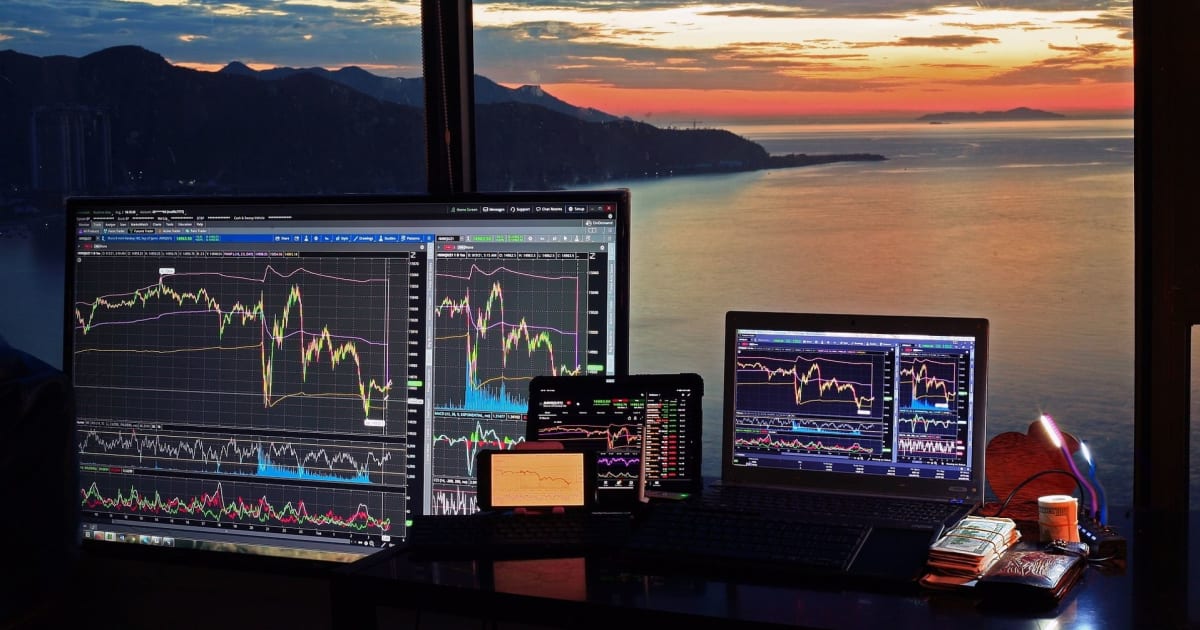
As Bitcoin markets stabilize, the ripple effect is reaching Indian capital markets. We analyze why this shift in global sentiment favors domestic tech-heavy stocks and how investors should recalibrate their portfolios to capture the momentum.
The Great Decoupling: Why Bitcoin Stabilization Matters for India
For the past eighteen months, the correlation between high-beta digital assets and global equity markets has been the primary barometer for liquidity. As Bitcoin enters a phase of price stabilization, characterized by a contraction in volatility and the exhaustion of retail capitulation, we are witnessing a structural shift in global risk-on sentiment. For the Indian investor, this is not merely a crypto story; it is a macro-liquidity signal that historically precedes a rotation into growth-oriented sectors.
How Does Bitcoin Price Stability Influence Indian Markets?
When Bitcoin finds a floor, it signals that the 'fear trade'—driven by the US Dollar Index (DXY) strength and treasury yield spikes—is subsiding. Historically, in Q4 2022, as crypto markets began to consolidate after the FTX collapse, the Nifty IT index staged a recovery of approximately 12% over the subsequent quarter. This correlation exists because crypto-linked liquidity acts as a 'canary in the coal mine' for global risk appetite. When global institutional capital stops fleeing to safe-haven assets like Gold and the DXY, that capital flows back into emerging market tech and fintech equities.
Is the Indian IT Sector Ready for a Risk-On Pivot?
The Indian IT sector, which has been grappling with margin compression and sluggish discretionary spending from US clients, is highly sensitive to this global liquidity shift. As the 'risk-off' trade unwinds, we anticipate a reduction in the cost of capital, potentially allowing IT giants to see a multiple expansion in their P/E ratios, which currently hover near 25x-28x for leaders like TCS and Infosys.
Stock-by-Stock Breakdown: Who Wins in a 'Risk-On' Environment?
- Zomato (NSE: ZOMATO): With its aggressive expansion into the quick-commerce space via Blinkit and its integration of fintech-led payments, Zomato is a high-beta proxy for consumer tech sentiment. As risk appetite returns, Zomato’s premium valuation is better supported by institutional inflows.
- PB Fintech (NSE: POLICYBZR): As a digital-first insurance aggregator, PB Fintech thrives when capital is accessible and the broader fintech ecosystem is expanding. Their revenue growth, currently exceeding 30% YoY, is highly sensitive to the liquidity environments that Bitcoin stabilization typically fosters.
- Reliance Industries (NSE: RELIANCE): Through Jio Platforms, Reliance is the largest digital infrastructure play in India. Renewed global risk-on sentiment lowers the hurdle rate for their massive investments in AI and digital services, directly impacting their consolidated valuation.
- Info Edge (NSE: NAUKRI): As a venture-capital-style holding company, Info Edge’s valuation is heavily tied to the health of the startup ecosystem. A stabilized crypto market often coincides with a thawing of the venture capital freeze, potentially re-rating their investment portfolio.
Expert Perspective: The Bull vs. Bear Case
The Bull Case: Bulls argue that Bitcoin’s stabilization is the final piece of the puzzle for a 'soft landing' narrative. If crypto volatility remains low, it confirms that the Federal Reserve’s restrictive policy has reached its terminal point, providing the green light for massive capital allocation into Indian growth stocks.
The Bear Case: Bears maintain that this is a 'dead cat bounce' in a liquidity-starved environment. They argue that regulatory headwinds—specifically the SEC’s stance on digital assets—could trigger a secondary wave of selling, which would force global institutional investors to continue dumping emerging market equities to cover margin calls.
The Actionable Investor Playbook
Investors should look for entry points in stocks that have been unfairly punished by the 'risk-off' sentiment of the past year. Watch for these indicators:
- Volume Confirmation: Look for a 15% increase in trading volume on Indian fintech counters alongside Bitcoin’s price stability.
- DXY Divergence: If the DXY drops below 103, increase exposure to high-beta tech stocks immediately.
- Institutional Accumulation: Monitor FII (Foreign Institutional Investor) inflows into the Nifty Next 50, which often leads the Nifty 50 during risk-on cycles.
Risk Matrix: What Could Derail the Rally?
| Risk Factor | Probability | Impact |
|---|---|---|
| Central Bank Policy Shift (Hawkish Surprise) | Moderate | High |
| Global Regulatory Crackdown on Crypto | Low | Very High |
| Geopolitical Escalation (Energy Prices) | Moderate | Medium |
What to Watch Next
The upcoming US FOMC meeting and the subsequent RBI monetary policy committee (MPC) minutes will be the next major catalysts. Investors should keep a close eye on the 10-year US Treasury yield; any move below 4.0% will likely act as the final trigger for a significant rotation back into Indian tech and fintech growth assets.
Disclaimer: This content is generated by WelthWest Research Desk based on publicly available reports and is for informational purposes only. It does not constitute financial advice, investment recommendations, or an offer to buy or sell securities. Always consult a qualified financial advisor before making investment decisions.


