Key Takeaway
Bitcoin’s recent price instability is more than a crypto-native event; it serves as a leading indicator for a liquidity withdrawal in Indian high-beta equities. Investors should pivot from speculative growth proxies toward defensive, cash-flow-positive assets as global risk-on sentiment wanes.
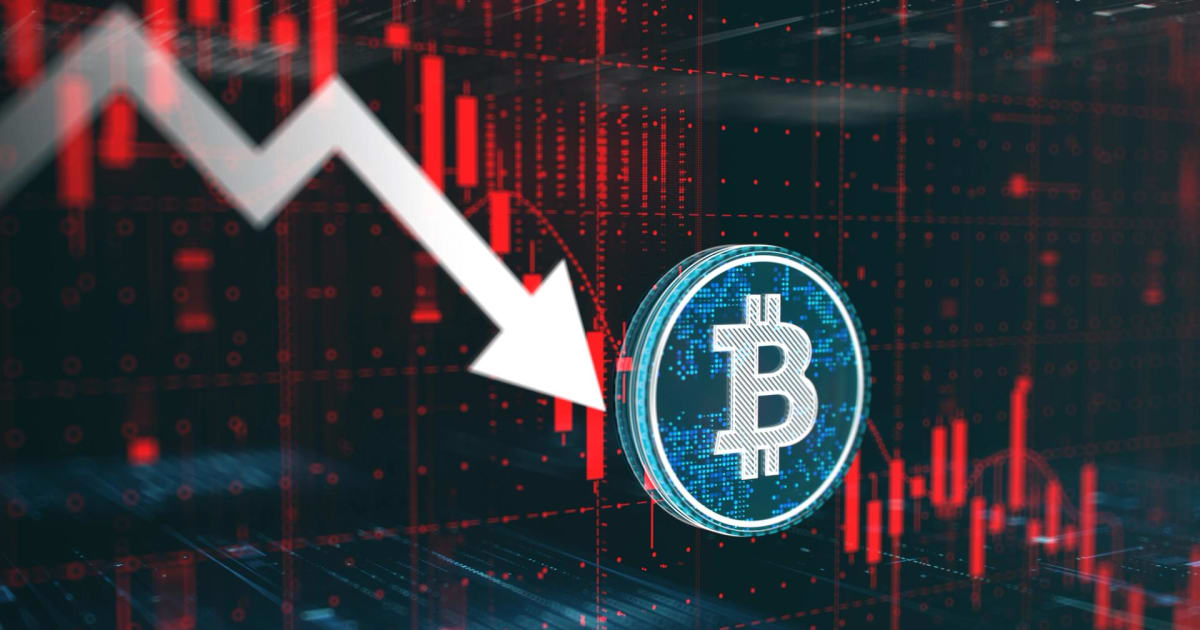
As Bitcoin’s multi-month rally stalls, the contagion risk to India’s retail-heavy equity market is rising. Our deep dive explores how crypto volatility acts as a proxy for global risk sentiment, threatening the valuations of high-beta Indian stocks like Zomato and Nazara Technologies.
The Great Decoupling Myth: Why Crypto Volatility Matters to Dalal Street
For the past eighteen months, the narrative in Indian financial circles has been one of ‘decoupling’—the belief that India’s domestic growth story is immune to the gyrations of global speculative assets. However, the recent stall in Bitcoin’s price momentum suggests that the liquidity bridge between global crypto markets and Indian retail speculative flows is tighter than ever. When Bitcoin enters a consolidation phase, it effectively signals a ‘risk-off’ shift in the global liquidity apparatus, forcing a re-evaluation of high-beta assets globally.
How does Bitcoin volatility impact the Indian stock market?
Bitcoin has evolved into the ultimate barometer for global excess liquidity. When Bitcoin rallies, it reflects a speculative fervor that inevitably spills over into Indian mid-cap and small-cap stocks, particularly those with high retail participation. Conversely, when Bitcoin struggles to maintain its two-month winning streak, the cost of capital for speculative ventures rises. Historically, when crypto markets face a 10-15% drawdown, we observe a lagged 3-5% correction in the Nifty Next 50, as retail investors liquidate positions to cover margin calls or rotate into safer havens like Gold.
The Liquidity Correlation
The correlation between Bitcoin and high-growth Indian tech stocks isn't just coincidental; it’s structural. Both asset classes are fueled by the same pool of 'hot money' seeking alpha in a low-interest-rate environment. As the US Dollar Index (DXY) stabilizes, the incentive to hold non-yielding speculative assets diminishes, creating a vacuum that drags down the valuation multiples of companies with high P/E ratios and unproven long-term profitability.
Stock-by-Stock Breakdown: Which Indian Equities are at Risk?
The following companies represent the 'high-beta' cohort of the NSE/BSE. These firms are highly sensitive to retail sentiment, which is currently being dampened by the cooling crypto environment.
- Zomato (NSE: ZOMATO): As a proxy for consumer discretionary spending and retail optimism, Zomato is highly sensitive to shifts in market liquidity. A cooling retail sector could compress its current premium P/E multiple.
- PB Fintech (NSE: POLICYBZR): High dependency on retail insurance adoption makes this firm vulnerable to a broader economic slowdown. If retail appetite for 'growth at any cost' wanes, PB Fintech faces valuation headwinds.
- Nazara Technologies (NSE: NAZARA): Being a gaming and digital entertainment player, Nazara’s valuation is inherently linked to the 'digital age' narrative. A lack of speculative liquidity directly impacts investor appetite for its growth-oriented model.
- Paytm (One97 Communications): While already undergoing structural changes, the sentiment shift in fintech makes it a lightning rod for broader market volatility.
Expert Perspective: The Bull vs. Bear Case
The Bull Case: Proponents argue that the Indian economy is currently in a secular bull run driven by domestic capital inflows (SIPs) that are insulated from global crypto volatility. They maintain that the current pullback is merely a healthy consolidation before the next leg up, and that retail investors are now more mature than in the 2022 cycle.
The Bear Case: Skeptics point to the 'liquidity crunch' theory. If global central banks keep rates 'higher for longer,' the capital that once flooded into Bitcoin and high-beta tech will continue to retreat. This group argues that the current valuation of many Nifty 500 stocks is untethered from fundamentals, and any spark—including a crypto crash—could trigger a sharp, violent mean reversion.
Actionable Investor Playbook
In this environment, capital preservation is paramount. We suggest the following strategic shifts:
- Rotate to Quality: Move capital from high-beta, loss-making tech firms toward 'Quality' factors—companies with strong balance sheets, high Return on Invested Capital (ROIC), and consistent free cash flow.
- Increase Gold Exposure: As a traditional hedge against currency debasement and market volatility, Gold remains the primary beneficiary of crypto-linked capital rotation.
- Tighten Stop-Losses: If you hold positions in high-beta retail stocks, implement strict trailing stop-losses to protect against a potential 10% sector-wide correction.
Risk Matrix
| Risk Factor | Probability | Impact |
|---|---|---|
| Global Liquidity Crunch | Moderate | High |
| Retail Sentiment Collapse | High | Moderate |
| Regulatory Crackdown on Crypto | Low | Very High |
What to Watch Next
Investors should keep a close watch on the upcoming US Federal Reserve FOMC meeting minutes and the RBI’s policy stance on interest rates. Additionally, monitor the US 10-Year Treasury Yield; if it breaks above 4.5%, the pressure on speculative assets—both Bitcoin and Indian tech stocks—will intensify significantly. The period between now and the end of the quarter is critical for determining whether this is a temporary dip or the start of a multi-month period of market consolidation.
Disclaimer: This content is generated by WelthWest Research Desk based on publicly available reports and is for informational purposes only. It does not constitute financial advice, investment recommendations, or an offer to buy or sell securities. Always consult a qualified financial advisor before making investment decisions.