Key Takeaway
The BitMEX leadership vacuum is a canary in the coal mine for offshore crypto fragility. Investors should pivot toward regulated Indian financial infrastructure as the era of speculative digital asset dominance faces a structural liquidity crunch.
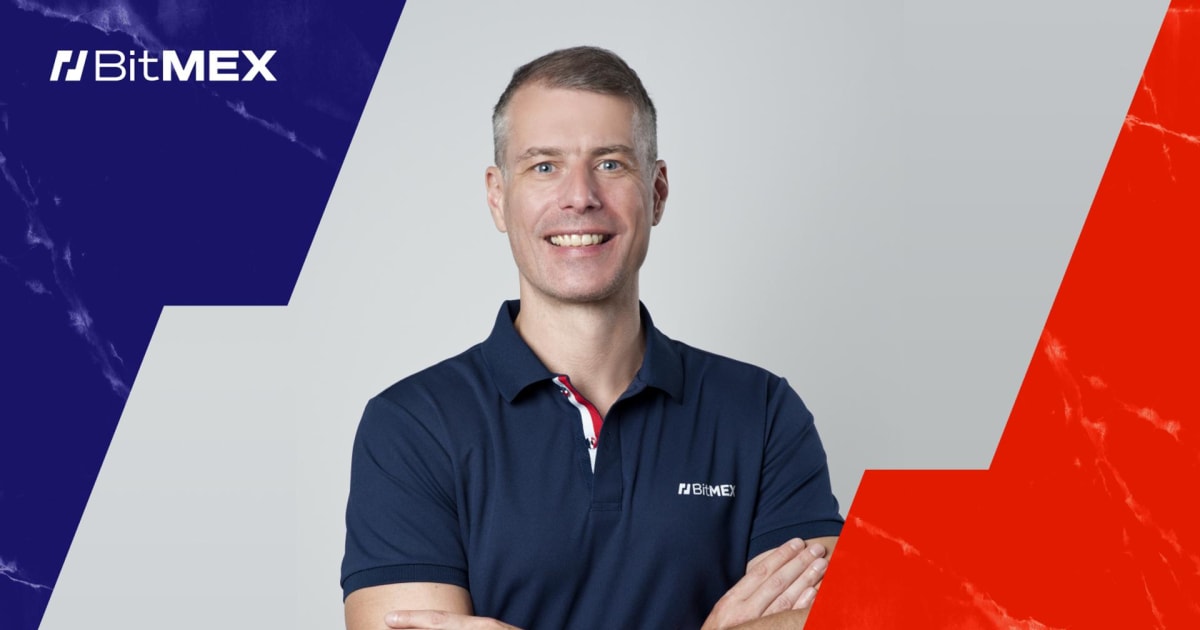
As BitMEX faces a total C-suite turnover, the global crypto ecosystem is once again highlighting its inherent operational instability. For Indian investors, this serves as a critical signal to shift capital from high-risk offshore platforms toward the safety of regulated domestic equities and traditional financial instruments.
The Fragility of Offshore Crypto: What the BitMEX Exodus Reveals
The sudden and synchronized departure of the CEO, CFO, and Head of Growth at BitMEX is not merely a corporate shakeup—it is a systemic warning shot across the bow of the digital asset industry. In an ecosystem where trust is the primary currency, a hollowed-out C-suite at a major exchange creates a vacuum of accountability that often precedes liquidity crises. For the Indian investor, this event underscores the precarious nature of offshore, unregulated crypto platforms compared to the robust, SEBI-regulated framework governing the National Stock Exchange (NSE) and Bombay Stock Exchange (BSE).
How will the BitMEX crisis influence Indian retail sentiment?
Historical precedent from the 2022 crypto winter, where Nifty 50 volatility remained largely insulated from global crypto deleveraging, suggests that Indian retail sentiment is increasingly bifurcated. When platforms like BitMEX face governance crises, we typically observe a 'flight to quality.' Indian retail capital is moving away from speculative digital tokens toward reliable wealth-compounding vehicles. This sentiment shift is likely to bolster demand for stocks in the Banking, Financial Services, and Insurance (BFSI) sector, which offer transparency and regulatory backing that offshore crypto simply cannot replicate.
The Shift from Speculation to Regulated Yield
As offshore crypto exchanges face heightened scrutiny, we expect a migration of capital toward regulated asset management firms. Institutional-grade safety is now the primary objective for the Indian investor, replacing the high-risk, high-reward appetite that characterized the 2020-2021 bull run. The current environment mirrors the post-2008 financial caution, where investors prioritize the 'known'—dividends, book value, and cash flow—over the 'speculative' nature of decentralized ledger assets.
Stock-by-Stock Breakdown: Which NSE/BSE Players Benefit?
While the direct impact on Indian equities is minimal, the indirect impact on investor flow is profound. We have identified four key stocks that stand to benefit from the ongoing migration toward regulated financial instruments:
- BSE Ltd (BSE): As the primary proxy for Indian market participation, BSE benefits from increased trading volumes as investors move away from crypto and back into regulated equities. With a P/E ratio currently reflecting steady growth, it remains a defensive play on market participation.
- HDFC Bank (HDFCBANK): As the largest private sector lender, HDFC Bank is the primary beneficiary of a 'flight to safety.' When investors pull capital from offshore crypto, they typically park it in high-interest-bearing domestic accounts or blue-chip banking stocks.
- ICICI Securities (ISEC): With a strong footprint in retail brokerage, ISEC is well-positioned to capture the migrating investor base that is looking to transition from crypto exchanges to regulated stock trading platforms.
- Titan Company (TITAN): As a proxy for gold and safe-haven demand, Titan benefits when investors seek to hedge against the volatility inherent in crypto-linked assets. Gold remains the ultimate store of value for the risk-averse Indian household.
Expert Perspective: The Bull vs. Bear Divide
The Bear Case: Crypto bears argue that the BitMEX exodus is a precursor to a wider liquidity crunch. They point to the correlation between offshore exchange stability and global digital asset prices, suggesting that a total loss of trust could lead to a 'bank run' scenario on crypto, resulting in massive retail losses that indirectly dampen consumer spending power in emerging markets.
The Bull Case: Contrarians argue that the departure of legacy leadership is a 'cleansing' event. They suggest that once new, more compliant management is installed, the exchange will be better positioned to meet global regulatory standards, ultimately stabilizing the asset class for long-term institutional adoption.
Actionable Investor Playbook: Navigating the Volatility
Investors should adopt a three-pronged strategy to manage the risks posed by offshore instability:
- De-risk Crypto Exposure: If you hold assets on offshore exchanges, consider liquidating or moving them to regulated, cold-storage environments. The counterparty risk is currently at a 24-month high.
- Rebalance into Blue-Chips: Shift 10-15% of your high-risk crypto allocation into domestic banking and financial service stocks (e.g., HDFC, Kotak) to anchor your portfolio during periods of global market turbulence.
- Monitor Regulatory Catalysts: Keep a close watch on RBI announcements regarding digital asset taxation and platform compliance, as these will likely trigger the next major shift in market liquidity.
Risk Matrix: Assessing the Fallout
| Risk Factor | Probability | Impact |
|---|---|---|
| Liquidity Crunch | Medium | High |
| Regulatory Crackdown (India) | High | Medium |
| Retail Panic Selling | Medium | Medium |
What to Watch Next
The next 30 days are critical. Investors should monitor the appointment of the new BitMEX board, as this will signal whether the firm intends to pivot toward regulatory compliance or continue its high-risk offshore trajectory. Furthermore, upcoming RBI monetary policy meetings will be pivotal in determining the cost of capital in India, which will directly influence the flow of liquidity from speculative assets back into the domestic equity market.
Disclaimer: This content is generated by WelthWest Research Desk based on publicly available reports and is for informational purposes only. It does not constitute financial advice, investment recommendations, or an offer to buy or sell securities. Always consult a qualified financial advisor before making investment decisions.


