Key Takeaway
The simultaneous slide in market leaders signals a major shift in institutional strategy. Investors are pivoting from stagnant blue-chips toward high-growth mid-caps as consumption fatigue takes hold.
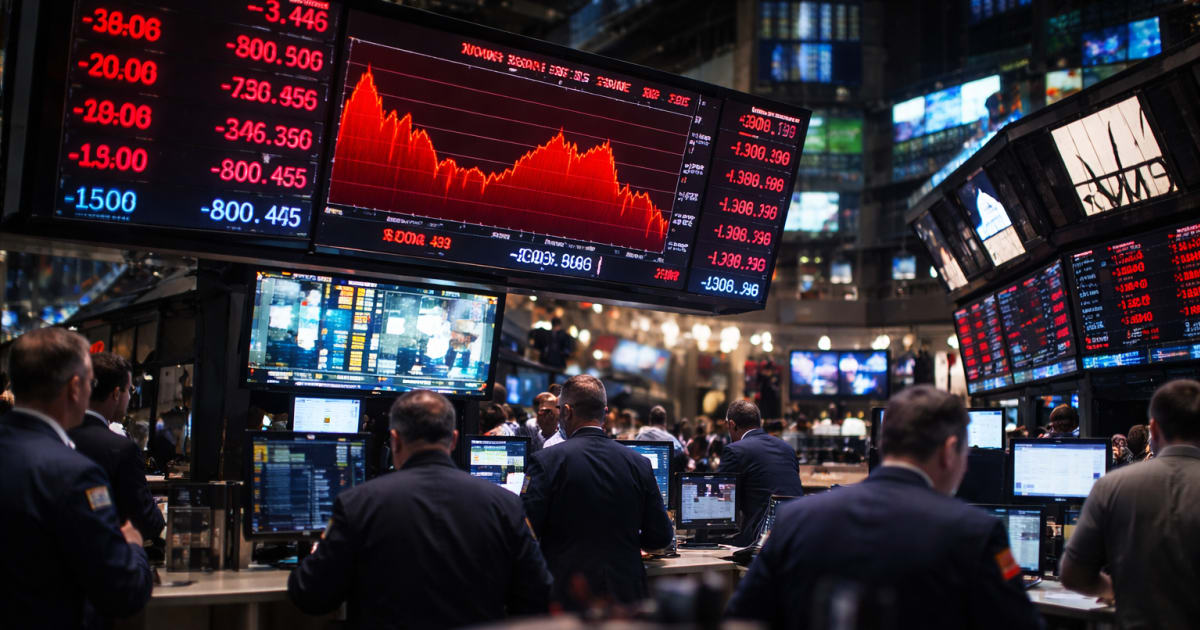
Large-cap stalwarts are facing a significant correction as institutional investors pull back amid margin pressures and slowing demand. This shift marks a departure from traditional defensive plays, signaling a broader rotation in the Indian markets. We break down which sectors are feeling the heat and where the new opportunities lie.
The Blue-Chip Fatigue: Why Your Portfolio Staples Are Struggling
If you have been checking your portfolio lately, you’ve likely noticed a worrying trend: the 'safe' bets aren't feeling very safe anymore. We are witnessing a rare, synchronized retreat in large-cap stocks that have historically anchored the Indian market. From the energy corridors to the pharmaceutical labs and the rural-focused auto showrooms, the script has flipped.
This isn't just a routine dip; it’s a structural rotation. Institutional investors—the big players who drive the Nifty and Sensex—are quietly exiting positions that were once considered 'set and forget.' When giants like BPCL, Dr. Reddy's, and Hero MotoCorp all start flashing red simultaneously, it’s not a coincidence—it’s a signal.
The Anatomy of the Correction
So, what exactly is happening? The market is currently suffering from a severe case of 'growth visibility' anxiety. For the longest time, large-cap defensive and cyclical stocks were the go-to shelters during volatile periods. However, the latest earnings season has exposed the cracks in this strategy. Margin pressures are rising across the board, and the consumption engine, which powers much of the Indian economy, is showing signs of stalling.
In the energy sector, BPCL is grappling with the complexities of global oil volatility and domestic pricing constraints. In pharma, Dr. Reddy's is facing the harsh reality of generic price erosion and export headwinds. Meanwhile, Hero MotoCorp is feeling the pinch of rural demand fatigue, where the typical post-harvest spending surge has been muted. When these pillars of the economy struggle, it forces a rethink of the entire large-cap narrative.
Who Wins and Who Loses in this Market Shift?
Markets are a zero-sum game. Capital doesn't disappear; it just changes address. Here is the current landscape of the Indian stock market:
The Losers:
- Oil Marketing Companies (OMCs): Stocks like BPCL are under pressure due to margin compression and the lack of pricing freedom, making them unattractive in a high-inflation environment.
- Generic Pharma: Exporters like Dr. Reddy's are struggling with regulatory scrutiny and fierce competition in the US market, which is compressing their bottom lines.
- Two-Wheeler OEMs: Hero MotoCorp remains highly sensitive to rural income levels. Until we see a sustained recovery in rural wage growth, these stocks will likely remain in a consolidation phase.
The Winners:
- Cash-Rich Investors: Those holding liquidity are currently in the driver’s seat. They have the flexibility to wait for the 'washout' phase to conclude before deploying capital at significantly lower valuations.
- Growth-Oriented Mid-Caps: Investors are aggressively rotating into mid-cap stocks that offer high earnings visibility and aren't burdened by the sluggishness of legacy business models.
- Niche Defensives: Sectors with lower valuation multiples that provide essential services (not just cyclical proxies) are beginning to see institutional interest as a temporary parking spot for capital.
Investor Insight: What to Watch Next
The golden rule for the next few months is simple: Follow the institutional flows, not the price action. We are currently in a transition period where the market is resetting its expectations for the next two fiscal years. If you are an investor, look for companies that can maintain margins despite input cost inflation. The days of 'buying the index' blindly are over; this is a stock-picker’s market.
Keep a close eye on the FII (Foreign Institutional Investor) flows. If the current exodus from large-caps turns into a sustained net-selling spree, we could see a broader index correction. However, if the mid-cap space continues to absorb this capital, it suggests that the market isn't 'crashing'—it’s simply rebalancing.
The Risks You Can't Ignore
The primary risk here is momentum exhaustion. If the underperformance in these large-cap stocks persists, it creates a 'negative feedback loop.' As prices drop, indices fall, which triggers automated selling from index-based funds, further depressing the price. This could lead to a deeper, more painful correction for the Nifty if institutional buyers don't step in to provide a floor.
Furthermore, stay cautious of 'value traps.' Just because a stock like Hero MotoCorp or BPCL looks cheap compared to its historical average doesn't mean it’s a 'buy.' In this market, value is only attractive if it is paired with a clear catalyst for earnings growth. If that catalyst is missing, the stock is likely cheap for a reason.
Disclaimer: This content is generated by WelthWest Research Desk based on publicly available reports and is for informational purposes only. It does not constitute financial advice, investment recommendations, or an offer to buy or sell securities. Always consult a qualified financial advisor before making investment decisions.