Key Takeaway
The Caribbean Princess norovirus outbreak serves as a sentiment-driven headwind for Indian travel aggregators; while direct financial exposure is limited, the premium cruise segment's high margins mean any prolonged dip in consumer confidence could compress P/E multiples for Thomas Cook and EaseMyTrip.
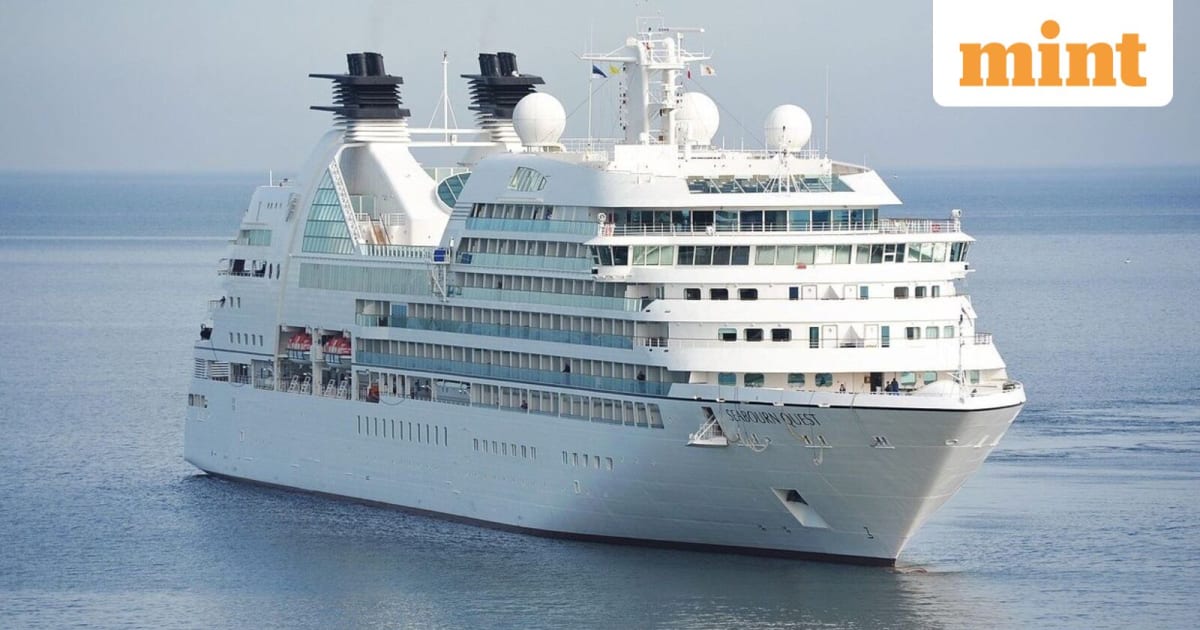
Over 100 passengers and crew have been infected with norovirus aboard the Caribbean Princess, sparking fears of a repeat of past cruise industry health crises. While the incident occurred in international waters, the ripple effects are hitting Dalal Street, specifically targeting the high-growth outbound travel sector. This WelthWest deep dive analyzes the systemic risks for Indian travel giants and identifies which stocks are most vulnerable to a shift in leisure travel sentiment.
The Caribbean Princess Outbreak: A Microcosm of Travel Sector Fragility
On May 10, 2026, news broke that the Caribbean Princess, a prominent vessel under the Carnival Corporation umbrella, reported an outbreak of norovirus affecting over 100 individuals. While norovirus—often colloquially termed the 'stomach flu'—is a recurring challenge in high-density environments, its resurgence on a major cruise liner reignites the 'ghosts of 2020.' For the global cruise industry, which contributes billions to the leisure economy, this is a localized health crisis. For the Indian stock market, it is a sentiment contagion risk.
The Indian outbound travel market is currently one of the fastest-growing globally, with a projected CAGR of 11% through 2030. Within this, the 'Cruise Segment' has been the crown jewel for Indian travel agencies, offering high-ticket sizes and lucrative commissions. When a major vessel like the Caribbean Princess falters, the impact is felt not in the balance sheets of the ship's operators alone, but in the booking cancellations and 'wait-and-watch' attitudes of Indian luxury travelers planning their summer excursions to the Mediterranean, Alaska, or the Caribbean.
How will the Caribbean Princess outbreak affect Indian travel agencies?
To understand the impact on Indian markets, one must look at the distribution architecture of global tourism. Indian travel giants like Thomas Cook (India) Ltd and Easy Trip Planners (EaseMyTrip) act as the primary gateways for Indian tourists booking international cruises. These companies have spent the last 24 months aggressively marketing 'Fly-Cruise' packages to high-net-worth individuals (HNIs) in Tier 1 and Tier 2 cities.
The norovirus outbreak introduces a non-linear risk. Unlike a fuel price hike, which can be passed on to the consumer, a health scare triggers psychological avoidance. Historically, when the Diamond Princess was quarantined in early 2020, travel stocks on the NSE and BSE saw a pre-emptive correction of 12-15% within two weeks, even before domestic lockdowns were a reality. While the current norovirus outbreak is significantly less severe than a pandemic, the sensitivity of the travel sector to 'health safety' headlines remains heightened.
Deep Market Impact: Connecting the Dots to Dalal Street
The Indian travel and hospitality sector has been trading at premium valuations. Thomas Cook (India), for instance, has seen its stock price appreciate significantly as it pivoted toward high-margin segments. The cruise business is a 'margin booster' for these firms. A standard international cruise package can range from ₹1.5 lakh to ₹5 lakh per person, yielding commissions that are 3x to 4x higher than standard domestic air ticketing.
"In the leisure sector, perception is reality. A single viral video of a quarantined ship can undo six months of aggressive marketing for international cruise packages in the Indian market." - Senior Analyst, WelthWest Research
From a data perspective, the Nifty India Consumption Index and the Nifty Hospitality Index are the benchmarks to watch. If international sentiment sours, we expect a rotation out of 'Global Leisure' plays and into 'Domestic Pilgrimage and Business Travel' stocks. The risk is an asymmetric downside: the upside from a successful cruise season is already priced in, but the downside from a health scare is rarely factored into current P/E multiples.
Stock-by-Stock Breakdown: The NSE/BSE Impact List
1. Thomas Cook (India) Ltd (THOMASCOOK)
As the market leader in organized outbound travel, Thomas Cook is the most exposed. With a market cap of approximately ₹28,000 Cr and a P/E ratio hovering near 45x, the stock is priced for perfection. Their 'Cruise Lines' segment is a core growth driver. Impact: Bearish. Investors should watch for any increase in cancellation queries in their upcoming quarterly commentary. A breach of the 200-day EMA could signal a deeper correction.
2. Easy Trip Planners Ltd (EASEMYTRIP)
EaseMyTrip has been diversifying away from just air tickets into holiday packages and cruises. While their lean operating model protects them from high overheads, their revenue per customer is sensitive to the mix of international vs. domestic travel. A shift away from high-value international cruises toward lower-margin domestic flights would be a negative catalyst for their EBITDA margins. Impact: Neutral-Bearish.
3. Mahindra Holidays & Resorts India Ltd (MHRIL)
Mahindra Holidays operates on a membership model (Club Mahindra). They have a strategic interest in international exchange programs through 'RCI'. If global travel sentiment dips due to health concerns, the perceived value of their international exchange program diminishes. However, their domestic resort business acts as a natural hedge. Impact: Neutral.
4. Apollo Hospitals Enterprise Ltd (APOLLOHOSP)
While seemingly unrelated, Apollo and other major healthcare providers often see a 'sentiment bounce' during global health scares, as the market pivots toward defensive healthcare stocks. Furthermore, their diagnostics arm (Apollo 24/7) benefits from increased health screenings and travel-related testing protocols. Impact: Bullish (Defensive Play).
5. Eureka Forbes Ltd (EUREKAFORBE)
As a leader in hygiene and water purification, Eureka Forbes represents the 'Sanitation Winner' in this scenario. Whenever 'norovirus' or 'water-borne diseases' dominate headlines, the focus on institutional and home hygiene solutions intensifies. Impact: Bullish.
Expert Perspective: The Bull vs. Bear Argument
The Bear Case: Bears argue that the cruise industry is a 'canary in the coal mine.' They point to the high debt loads of global cruise operators (like Carnival Corp) and suggest that any operational disruption will lead to a pullback in marketing spend and commissions for Indian partners. They see this as the start of a broader 'travel fatigue' cycle where consumers prioritize safety over luxury.
The Bull Case: Contrarians argue that the market is overreacting. They note that norovirus outbreaks are common and that modern cruise ships have rigorous sanitation protocols that were perfected during the post-2020 era. Bulls believe the dip in stocks like Thomas Cook presents a 'buy the fear' opportunity, as the long-term trend of the Indian middle class seeking 'aspirational travel' remains intact.
Actionable Investor Playbook: Navigating the Outbreak
- Short-term Strategy (0-30 days): Avoid fresh entries into pure-play international travel aggregators. The news cycle regarding the Caribbean Princess is likely to persist as more data on the infection source emerges. Monitor the ₹180-₹195 support zone for Thomas Cook.
- Medium-term Strategy (1-6 months): Look for a rotation into Domestic Hospitality. Stocks like Indian Hotels (IHCL) or Lemon Tree may benefit as travelers substitute international cruises with high-end domestic 'staycations.'
- Hedge Position: Consider a small allocation to Healthcare and Hygiene stocks. If the norovirus spreads to other vessels, these will act as a portfolio stabilizer.
Risk Matrix: Quantifying the Threat
| Risk Factor | Probability | Impact on Nifty Travel |
|---|---|---|
| Mass Cancellations of Outbound Cruises | Moderate (35%) | High (-8% to -12%) |
| Global Regulatory Crackdown on Cruise Hygiene | Low (15%) | Moderate (-5%) |
| Short-lived News Cycle / Quick Recovery | High (50%) | Minimal (-1% to -2%) |
Are cruise stocks a good buy after the Norovirus outbreak?
For Indian investors, the question isn't about buying the cruise operators directly (like Carnival or Royal Caribbean) but about the intermediaries. Currently, the risk-reward ratio for Thomas Cook and EaseMyTrip is not favorable for a 'buy' call. Wait for the 'headline fatigue' to set in. Historically, these stocks bottom out 3-4 weeks after the initial news break once the actual impact on booking numbers is clarified in analyst calls.
What to Watch Next: The Catalysts
Investors should keep a close eye on the following dates and data points:
- CDC Vessel Sanitation Program (VSP) Reports: Any further 'failing' grades for other ships in the Princess or Carnival fleet will escalate the crisis from a 'one-off' to a 'systemic' issue.
- Monthly Air Traffic Data (DGCA): Watch for a spike in domestic travel vs. international travel—this will confirm if the 'substitution effect' is occurring.
- Quarterly Earnings (June 2026): Listen specifically for the "Cruise and International Holidays" segment performance commentary from the management of Thomas Cook India.
While the Caribbean Princess outbreak is unlikely to sink the Indian travel sector, it has certainly introduced a valuation cap in the near term. In a market that is already 'priced for perfection,' even a small stomach bug can cause a significant case of investor indigestion.
Disclaimer: This content is generated by WelthWest Research Desk based on publicly available reports and is for informational purposes only. It does not constitute financial advice, investment recommendations, or an offer to buy or sell securities. Always consult a qualified financial advisor before making investment decisions.