Key Takeaway
The ₹42-₹53.50 surge in commercial LPG prices signals a margin-compression cycle for the HORECA segment. While OMCs gain a buffer, QSRs and hotel operators face a difficult choice: absorb costs or pass inflation to a price-sensitive consumer base.
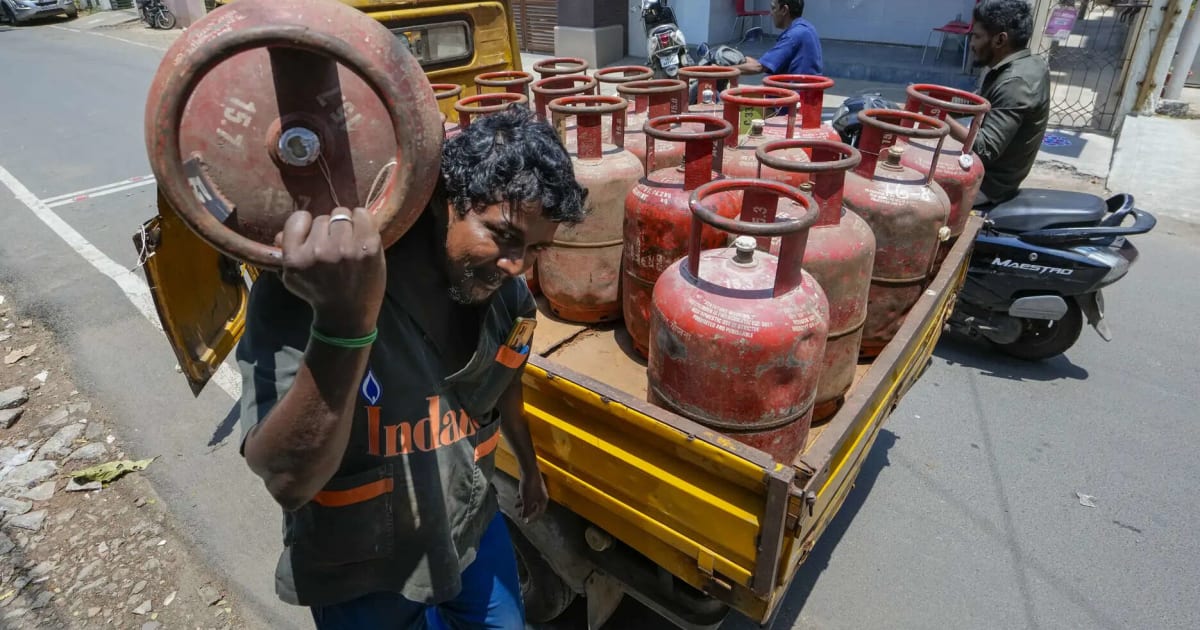
Commercial LPG prices have surged across India, signaling fresh headwinds for the hospitality and food-service sectors. This analysis explores the ripple effects on NSE-listed giants, the shift in margin dynamics, and the strategic pivot required for portfolios exposed to consumer discretionary spending.
The Anatomy of the Commercial LPG Hike: A Strategic Pivot for Energy Markets
The recent upward revision of commercial LPG prices, ranging from ₹42 to ₹53.50 per 19kg cylinder across metropolitan hubs, is more than a simple commodity adjustment. It is a bellwether for the broader inflationary pressures currently buffeting India’s service-oriented economy. For the Oil Marketing Companies (OMCs), this move serves as a necessary recalibration to align domestic retail prices with the volatile landed cost of crude oil and international LPG benchmarks (Saudi CP).
Historically, when commercial LPG hikes have exceeded the 3% threshold in a single month, we have observed a lagged but tangible contraction in the EBITDA margins of the HORECA (Hotel, Restaurant, and Catering) segment. With global energy volatility remaining high, this hike underscores the structural fragility in the input cost chain for India’s massive food-services industry.
How will the LPG price hike impact Indian QSR and Hotel margins?
The hospitality and QSR sectors are notoriously sensitive to fuel inflation. Unlike manufacturing, where economies of scale can mitigate energy shocks, the food-service industry operates on thin operating margins—often between 12% and 18%. A rise in LPG costs acts as a direct tax on the 'cost of goods sold' (COGS). When fuel prices rise, companies are forced to either absorb the cost, leading to immediate margin erosion, or increase menu prices, which risks demand destruction in a tightening discretionary environment.
Sector Breakdown:
- QSRs (Quick Service Restaurants): These firms rely on high-volume, low-margin transactions. Increased fuel costs for kitchens directly threaten the 'value meal' proposition that drives footfall.
- Hospitality: Hotels face a dual burden. Not only do kitchen costs rise, but the energy-intensive nature of climate control and laundry services means that broader energy inflation compounds the LPG shock.
Stock-by-Stock Analysis: Winners and Losers
1. IOC, BPCL, and HPCL (The OMCs): These state-run giants are the primary beneficiaries of this pricing adjustment. With a combined market cap exceeding ₹5 lakh crore, these stocks often track the 'under-recovery' narrative. A move toward market-linked pricing improves their gross marketing margins, providing a cushion for their capital expenditure plans in green energy.
2. Jubilant FoodWorks (JUBILANTFOOD): As a market leader in the pizza segment, Jubilant faces significant pressure. With a P/E ratio that often commands a premium, the market expects consistent volume growth. If EBITDA margins contract due to fuel costs, the stock may face valuation re-rating risks.
3. Westlife Foodworld (WESTLIFE): Operating McDonald’s in West and South India, Westlife has shown resilience in pricing power, but consistent fuel hikes limit their ability to execute aggressive expansion without impacting same-store sales growth (SSSG).
4. Indian Hotels (IHCL) & Lemon Tree Hotels (LEMONTREE): While these firms have high operational leverage, their energy costs are significant. They are better positioned to pass costs to consumers than QSRs, given the premium nature of their services, but occupancy rates remain the primary performance driver.
Expert Perspective: The Bull vs. Bear Case
The Bull Argument: Bulls argue that this price hike is a sign of a robust economy where demand for services remains inelastic. They contend that companies like IHCL possess sufficient pricing power to pass on these costs without a noticeable dip in demand, effectively shielding their bottom lines.
The Bear Argument: Bears focus on the 'hidden tax' of inflation. As LPG costs rise alongside broader food inflation, the middle-class consumer is likely to experience 'wallet fatigue.' This leads to a reduction in dining-out frequency, negatively impacting the top-line growth of QSR stocks.
Actionable Investor Playbook
Investors should adopt a defensive stance toward consumer discretionary stocks until the quarterly results reflect how successfully these companies have hedged their energy inputs.
- Watch for Margin Guidance: Pay close attention to Q1 and Q2 earnings calls. Companies that maintain EBITDA margins despite fuel spikes are the ones with true 'moats.'
- OMC Exposure: Consider tactical entries into HPCL or BPCL if crude oil prices stabilize, as they offer dividend yields that provide a safety net during market volatility.
- Wait for Consolidation: For high-growth QSR stocks, avoid 'catching the falling knife.' Wait for a technical consolidation before adding to positions, especially if the Nifty FMCG or Consumer Discretionary indices show signs of a breakdown.
Risk Matrix
| Risk Factor | Impact | Probability |
|---|---|---|
| Persistent Global Energy Inflation | High | Moderate |
| Consumer Demand Destruction | Moderate | Low |
| Regulatory Intervention (Price Caps) | High | Low |
What to watch next?
The most critical catalyst will be the upcoming RBI Monetary Policy Committee (MPC) meeting. If the central bank signals a prolonged 'higher-for-longer' interest rate environment, the cost of borrowing for these capital-intensive hospitality firms will increase, further compounding the pressure from the LPG hike. Additionally, keep an eye on the Saudi CP (Contract Price) data for next month; any reversal in global gas prices could provide the relief that the market is currently underestimating.
Disclaimer: This content is generated by WelthWest Research Desk based on publicly available reports and is for informational purposes only. It does not constitute financial advice, investment recommendations, or an offer to buy or sell securities. Always consult a qualified financial advisor before making investment decisions.


