Key Takeaway
The US-Iran peace deal signals a structural shift from supply scarcity to a global oil glut, offering a multi-billion dollar 'fiscal gift' to India. Investors should pivot toward high-consumption sectors like Aviation, Paints, and OMCs while hedging against upstream volatility.
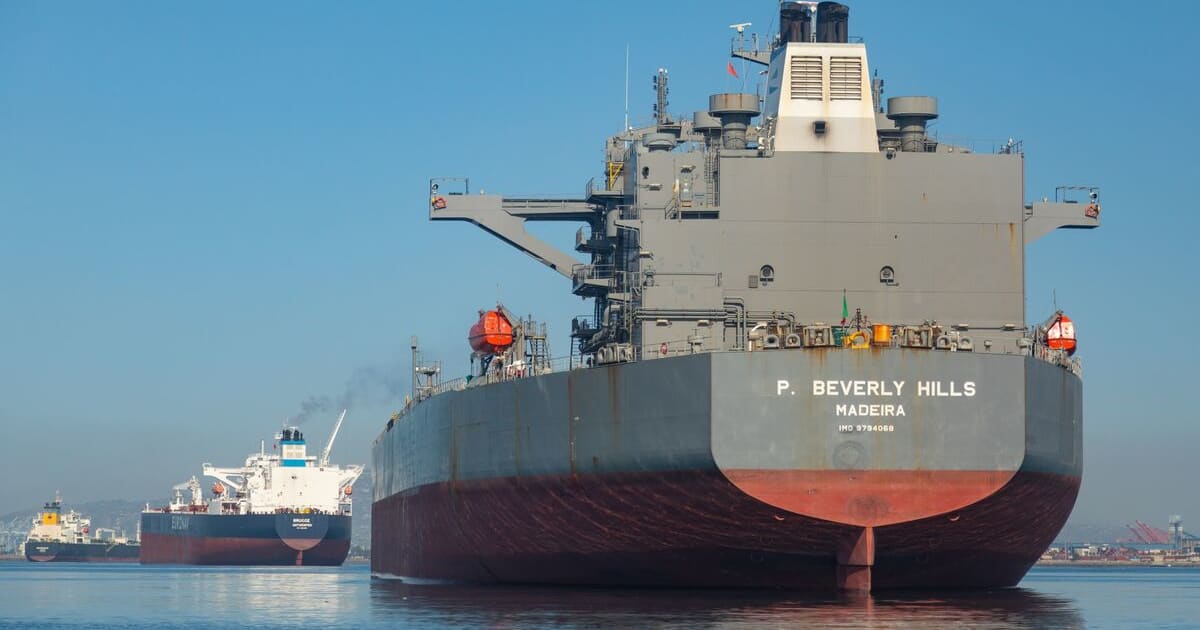
A potential US-Iran peace deal is set to flood the global market with Iranian crude, threatening to push Brent prices toward the $60 mark. For India, a major net importer, this macro tailwind lowers inflation and boosts corporate margins. This report breaks down the winners and losers across the NSE and BSE, providing an actionable roadmap for the coming quarters.
The Geopolitical Pivot: Why the US-Iran Rapprochement Changes Everything
For nearly a decade, the 'Iran Discount' has been a ghost haunting global energy markets. With the recent diplomatic breakthroughs suggesting a formal US-Iran peace deal, that ghost is becoming a tangible reality. Iran, which sits on the world's fourth-largest oil reserves and second-largest gas reserves, has been operating under a cloud of sanctions that throttled its export capacity to roughly 1.2 million to 1.5 million barrels per day (bpd). A full reintegration into the global fold could see an additional 1 million bpd hit the market within six to nine months, coinciding with a period where Chinese demand is structurally slowing.
This is not just another geopolitical headline; it is a fundamental recalibration of the global supply-demand equilibrium. When Brent crude traded at $85-90, the narrative was dominated by OPEC+ production cuts. Now, the narrative has shifted to a 'supply glut.' For the Indian economy, which imports approximately 85% of its crude requirements, this is the single most important macro catalyst of the year. Historically, every $10 per barrel drop in crude oil prices improves India’s Current Account Deficit (CAD) by roughly $12-15 billion and shaves nearly 30-40 basis points off the Consumer Price Index (CPI).
How will lower crude oil prices affect the RBI’s interest rate decisions?
The primary mandate of the Reserve Bank of India (RBI) is to maintain inflation at the 4% target. Crude oil is a 'multiplier commodity' in India—it affects the cost of transporting food, the manufacturing cost of plastics, and the price of power. As crude prices slump, the 'imported inflation' component of India’s CPI dissipates. This provides Governor Shaktikanta Das with the necessary 'inflationary cushion' to pivot from a hawkish stance to a more accommodative monetary policy.
If Brent stabilizes in the $60-$70 range, we expect the RBI to initiate a rate cut cycle as early as the next two quarters. This would be a massive tailwind for interest-rate-sensitive sectors like Banking (lower cost of funds), Real Estate (lower mortgage rates), and Auto (cheaper financing). In 2014-2015, when oil prices crashed from $110 to $50, the Nifty 50 saw a significant re-rating as the market priced in lower interest rates and higher corporate earnings.
Deep Market Impact: Sector-Level Breakdown
Oil Marketing Companies (OMCs): The Margin Expansion Play
Indian OMCs like Bharat Petroleum (BPCL), Hindustan Petroleum (HPCL), and Indian Oil (IOC) are the most direct beneficiaries. These companies operate on two fronts: Refining and Marketing. While lower crude prices might slightly soften Gross Refining Margins (GRMs) due to inventory losses in the short term, the Marketing Margins—the profit made on selling petrol and diesel at the pump—expand exponentially. If the government does not mandate a retail price cut commensurate with the crude drop, these companies could see their EBITDA margins double.
Aviation: The Fuel Cost Catalyst
Aviation Turbine Fuel (ATF) accounts for nearly 40-45% of the total operating expenses for Indian carriers. InterGlobe Aviation (IndiGo), with its dominant 60%+ market share, is a high-beta play on oil prices. A 10% drop in ATF prices typically leads to a 3-5% increase in net profit margins, assuming passenger load factors remain steady. In a post-pandemic world where travel demand is at an all-time high, lower fuel costs are the 'cherry on top' for airline balance sheets.
Paints and Specialty Chemicals: The Raw Material Advantage
The paint industry is essentially a derivative of the oil industry. Up to 40% of the raw materials used in paints—including monomers, solvents, and titanium dioxide—are crude-linked. Leaders like Asian Paints and Berger Paints have historically maintained high pricing power. When input costs fall, these companies often retain the price benefit, leading to significant margin expansion. We saw this in FY16, when Asian Paints' operating margins expanded by over 300 basis points as crude prices bottomed out.
Stock-by-Stock Breakdown: The Winners and Losers
- BPCL (NSE: BPCL): Market Cap ~₹1.3 Lakh Cr. BPCL is currently trading at a P/E of roughly 10x, which is attractive compared to its 5-year average. With a high dividend yield and expanding marketing margins, it is a top pick. Target: Watch for sustained marketing margins above ₹4/liter.
- Asian Paints (NSE: ASIANPAINT): Market Cap ~₹2.8 Lakh Cr. While the stock trades at a premium P/E (55x-60x), the crude slump provides the earnings growth needed to justify this valuation. Sector peers like Berger Paints and Kansai Nerolac will also see a 'rising tide' effect.
- InterGlobe Aviation (NSE: INDIGO): As the lowest-cost producer in a consolidated market, IndiGo is perfectly positioned. Every $1 drop in crude adds roughly ₹500-700 crore to their bottom line annually.
- ONGC (NSE: ONGC) - THE LOSER: Upstream companies are the casualties of this deal. ONGC’s realizations are capped by the government, but a drop in global prices below $60/barrel would start eating into their capex capabilities and dividend-paying capacity. Oil India faces similar headwinds.
- MRF & Apollo Tyres: Synthetic rubber and carbon black are crude derivatives. Lower prices will help these companies offset the rising cost of natural rubber, which has been a pain point recently.
Expert Perspective: The Bull vs. Bear Argument
"The US-Iran deal is the 'Black Swan' event the Indian bulls were waiting for. It de-risks the fiscal deficit and provides a structural floor for the Nifty," says a veteran fund manager at a top Mumbai-based AMC.
However, the Bear Case argues that a peace deal is not a guarantee of stability. Bears point to the potential for OPEC+ to respond with aggressive 'shock' production cuts to keep prices above $80. Furthermore, if the peace deal is perceived as a sign of global economic weakness (over-supply meeting low demand), it could trigger a broader sell-off in emerging market equities, regardless of the oil benefit.
Actionable Investor Playbook
- Accumulate OMCs on Dips: The short-term inventory loss might cause a 5-7% correction in BPCL or HPCL. This is a buying opportunity for a 12-month horizon.
- Switch from Upstream to Downstream: If you are holding ONGC or Oil India, consider reallocating a portion of that capital into Asian Paints or IndiGo to capture the margin expansion theme.
- Watch the Rupee: A lower oil bill strengthens the INR. This makes India more attractive to FIIs (Foreign Institutional Investors), which could lead to a broader market rally led by large-cap banks.
Risk Matrix: What Could Go Wrong?
- OPEC+ Retaliation (Probability: High): Saudi Arabia may not sit idly by while Iran steals market share. Expect verbal intervention or deeper cuts.
- Geopolitical Friction in the Strait of Hormuz (Probability: Moderate): Any breakdown in negotiations could lead to localized conflict, instantly spiking prices.
- Domestic Policy Risk (Probability: Moderate): The Indian government might increase excise duties on petrol/diesel to mop up the extra revenue, preventing the benefit from reaching corporate bottom lines.
What to Watch Next: The Key Catalysts
Investors should keep a close eye on the OPEC+ Ministerial Meeting scheduled for next month. Any deviation from the planned production schedule will be a major market mover. Additionally, the Monthly Oil Market Report (MOMR) from the IEA will provide data on whether Iranian supply is already leaking into the market. Finally, watch the RBI’s Monetary Policy Committee (MPC) minutes—any mention of 'favorable global commodity prices' is a signal that rate cuts are imminent.
Disclaimer: This content is generated by WelthWest Research Desk based on publicly available reports and is for informational purposes only. It does not constitute financial advice, investment recommendations, or an offer to buy or sell securities. Always consult a qualified financial advisor before making investment decisions.


