Key Takeaway
The easing of tensions in the Strait of Hormuz acts as a massive tailwind for India’s macro-stability. Lower import bills serve as a direct catalyst for margin expansion across consumption sectors and provide the RBI with the necessary room for a pivot, favoring a bullish outlook for Nifty 50 constituents.
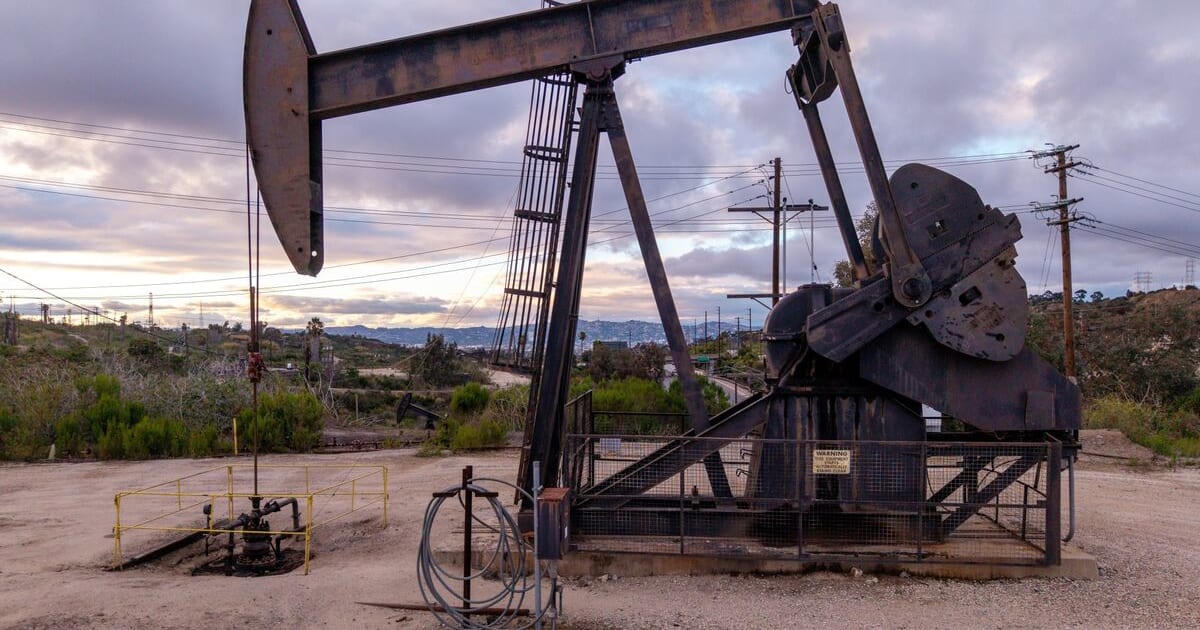
Geopolitical de-escalation between the US and Iran is triggering a collapse in global oil prices, providing a long-awaited lifeline to the Indian economy. This analysis breaks down the ripple effects on inflation, the RBI’s interest rate trajectory, and identifies the specific NSE stocks poised to capture the most value from this energy-driven shift.
The Geopolitical Pivot: Why Oil Prices Are Collapsing
For the Indian economy, crude oil is the single most significant variable in the macroeconomic equation. As a nation that imports over 85% of its crude requirements, any sustained deviation in Brent or WTI pricing ripples instantly through the Current Account Deficit (CAD) and the Rupee’s valuation. The recent diplomatic breakthrough regarding the Strait of Hormuz—the world’s most critical oil chokepoint—has shifted market sentiment from 'risk-premium' to 'supply-certainty'.
When the Strait of Hormuz is clear, global supply chains breathe easier. The immediate drop in crude prices is not merely a commodity fluctuation; it is a structural adjustment that recalibrates India’s fiscal deficit trajectory. Historically, when oil prices soften by 10%, India’s import bill shrinks by approximately $12-15 billion annually, a massive injection of liquidity that strengthens the INR and cools the WPI (Wholesale Price Index).
How will the RBI interest rate pivot affect Indian stocks?
The relationship between crude oil and the Reserve Bank of India (RBI) is inverse and ironclad. High oil prices are inherently inflationary, forcing the central bank to maintain a 'higher-for-longer' interest rate regime to anchor expectations. With energy costs receding, the headline inflation print faces downward pressure, potentially accelerating the RBI’s transition to a neutral or dovish stance.
When the repo rate is cut, the cost of capital for corporate India drops, directly boosting net profit margins. In 2022, when oil prices surged past $120/bbl, the Nifty 50 faced significant valuation compression. Conversely, a cooling oil market provides the liquidity environment necessary for a broader market rally, particularly in interest-rate-sensitive sectors like banking, infrastructure, and real estate.
Sectoral Impact: Who Wins and Who Loses?
The market impact of this oil price correction is asymmetrical. We categorize the impact into three distinct tiers:
- The Margin Expanders (Winners): Companies where crude derivatives are a primary input cost (Paints, Tyres, Logistics).
- The Volume Players (Winners): Sectors where disposable income is the primary driver (Automobiles, Aviation).
- The Revenue Hitters (Losers): Upstream producers whose realization prices are pegged to global crude benchmarks.
Stock-by-Stock Breakdown
1. BPCL, HPCL, and IOC (OMCs): These are the primary beneficiaries. As crude prices drop, the under-recovery on retail fuel sales diminishes, leading to significant inventory gains and improved marketing margins. With P/E ratios currently trading at attractive discounts compared to their 5-year averages, these stocks are poised for a re-rating.
2. InterGlobe Aviation (IndiGo): Aviation Turbine Fuel (ATF) accounts for nearly 40% of an airline's operating costs. A sustained 10% drop in crude prices translates directly to the bottom line, allowing IndiGo to either expand margins or aggressively lower ticket prices to capture market share.
3. Asian Paints: With crude derivatives making up a large portion of raw material costs, lower oil prices are a direct tailwind for gross margins. Despite high valuations, the potential for earnings surprises in the next two quarters is significant.
4. ONGC & Oil India: These are the clear laggards. Their profitability is tied to net crude realizations. When global prices drop, the government often increases the Windfall Profit Tax (Special Additional Excise Duty) to capture the surplus, effectively squeezing the margins of these E&P firms.
The Contrarian View: Bulls vs. Bears
The Bull case is simple: Macro-stability, lower inflation, and improved corporate earnings. However, the Bear case warns of 'The OPEC+ Trap'. Bears argue that Saudi Arabia and Russia may coordinate deep production cuts to create an artificial floor, preventing oil from sliding below $70/bbl. Furthermore, geopolitical peace is fragile; any resurgence in regional tensions could see oil prices spike back to $90+ levels within 48 hours, leaving investors trapped in cyclical stocks that were bought on the premise of cheap energy.
Actionable Investor Playbook
For institutional and retail investors, the strategy should focus on 'Margin Expansion' plays. Look for companies with high operating leverage that benefit from the decline in input costs.
- Buy: OMCs (BPCL/HPCL) on any dip. These act as a proxy for the broader economic recovery.
- Accumulate: Automobile and Aviation stocks. Focus on companies with low debt-to-equity ratios.
- Avoid/Reduce: Pure-play upstream E&P firms. The uncertainty regarding windfall taxes makes them a high-beta bet that may underperform in a cooling energy market.
Risk Matrix: Assessing the Volatility
| Risk Factor | Probability | Impact |
|---|---|---|
| OPEC+ Production Cuts | High | Moderate |
| Diplomatic Breakdown (US-Iran) | Moderate | Extreme |
| Stronger USD (Currency Headwind) | Moderate | High |
What to Watch Next
Investors should track the upcoming OPEC+ Ministerial Meeting outcomes and the RBI Monetary Policy Committee (MPC) meeting minutes for any shift in language regarding the 'inflationary risks of imported energy'. Additionally, watch for the monthly PMI Manufacturing data; if falling oil prices lead to increased industrial production, the current bullish trend for the Nifty 50 could extend into a multi-month rally.
See BPCL's AI Score
Our algorithmic screener scores BPCL on fundamentals, momentum, and risk — free to try, no card needed.
Try the AI Screener →Have questions about this story?
Ask Welth, our finance-focused AI research assistant, for a deeper breakdown — free trial included.
Chat with Welth AI →Disclaimer: This content is generated by WelthWest Research Desk based on publicly available reports and is for informational purposes only. It does not constitute financial advice, investment recommendations, or an offer to buy or sell securities. Always consult a qualified financial advisor before making investment decisions.