Key Takeaway
The evaporation of the geopolitical risk premium in global crude markets acts as a massive tailwind for India’s macro-stability. Lower import bills serve as an indirect stimulus, widening profit margins across consumption-heavy sectors while providing the RBI the flexibility to pivot toward a dovish stance.
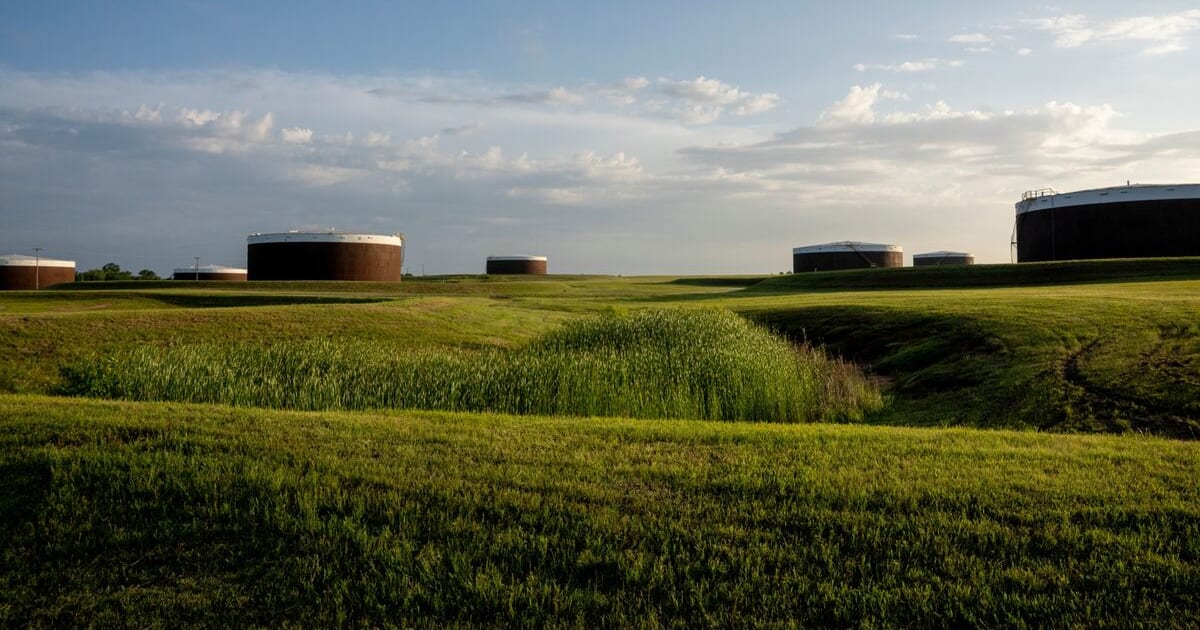
As global crude oil prices retreat, India’s economic landscape shifts from inflationary pressure to potential growth acceleration. We analyze the ripple effects on the Current Account Deficit, corporate earnings, and the specific NSE stocks poised to benefit from this energy-led deflationary cycle.
The Great Energy Pivot: Why Crude’s Decline is a Macro Game-Changer
For an economy that imports over 85% of its crude oil requirements, the recent retreat in global prices is not merely a market fluctuation—it is a structural shift. As the geopolitical risk premium that defined the 2022-2024 energy landscape begins to dissipate, the Indian equity market finds itself at a critical inflection point. The correlation between the Indian Rupee (INR), the Current Account Deficit (CAD), and Brent Crude is absolute; when oil prices fall, the fiscal burden lightens, creating a 'synthetic' stimulus that flows directly into the bottom lines of India’s corporate sector.
How will the fall in crude oil prices impact the RBI’s interest rate trajectory?
The Reserve Bank of India (RBI) has long cited 'imported inflation' as a primary hurdle to lowering repo rates. With Brent Crude retreating from its wartime highs, the headline CPI (Consumer Price Index) is expected to show cooling trends in the coming quarters. Historically, whenever crude oil prices have corrected by 15-20% from their peaks, the Nifty 50 has seen a valuation expansion of 4-7% within the subsequent three months, driven primarily by the compression of input costs.
Lower oil prices reduce the subsidy burden on the government, allowing for higher capital expenditure (Capex) and lower fiscal deficits. For investors, this creates a 'Goldilocks' scenario: lower inflation allows the RBI to maintain or eventually cut rates, providing a lower cost of capital for India’s heavy manufacturing and transport sectors.
Sector-Level Breakdown: Who Wins and Who Loses?
The Winners: Margin Expansion Plays
- Aviation (e.g., Indigo - INDIGO): Aviation Turbine Fuel (ATF) accounts for nearly 40-45% of an airline's operating expenses. A sustained 10% drop in crude prices can lead to a 300-500 basis point expansion in EBITDAR margins for carriers like Indigo.
- Paint Manufacturers (e.g., Asian Paints - ASIANPAINT, Berger Paints - BERGERPAINT): Crude oil derivatives such as monomers and solvents are the lifeblood of the paint industry. Lower crude prices directly translate to lower raw material costs, allowing these firms to either boost margins or undercut competition to gain market share.
- Oil Marketing Companies (OMCs - IOCL, BPCL, HPCL): While OMCs often face government pressure to keep retail fuel prices stable, lower crude costs reduce the 'under-recovery' burden, significantly improving their cash flow and debt-servicing capabilities.
The Losers: The Upstream Drag
Upstream explorers like ONGC and Oil India face a direct hit to their top lines as their realization prices are pegged to global benchmarks. Investors should be wary of dividend yield traps in these stocks if crude prices remain depressed for an extended period, as their valuation is highly sensitive to the 'Net Realization' per barrel.
Stock-by-Stock Analysis: The WealthWest Watchlist
Asian Paints (ASIANPAINT): With a P/E ratio hovering near its 5-year average, the company is perfectly positioned to leverage lower input costs to regain the margins lost during the 2022 inflationary spike. Watch for gross margin expansion in the next two quarterly results.
BPCL (BPCL): As a pure-play OMC, BPCL is the primary beneficiary of reduced crude volatility. With a healthy dividend yield and robust refining margins, it serves as a defensive-growth hybrid in this environment.
Indigo (INDIGO): Despite high valuations, the structural demand for air travel in India remains robust. Lower fuel costs provide the necessary cushion to manage competitive pricing in the low-cost carrier segment.
Expert Perspective: The Bull vs. Bear Debate
The Bull Case: Bulls argue that the market has not yet priced in the full extent of the margin expansion. If crude remains below $75/barrel, we could see a massive earnings upgrade cycle for the mid-cap logistics and chemical sectors, which are massive consumers of petroleum derivatives.
The Bear Case: Bears warn of the 'OPEC+ Surprise.' Any sudden supply-side intervention or a breakdown in regional diplomatic efforts could trigger a 'gap-up' in crude prices, leading to an immediate reversal in the stocks mentioned above. Furthermore, if the global economy enters a recession, demand destruction could hit these stocks regardless of oil prices.
Actionable Investor Playbook: Navigating the Volatility
- Accumulate on Dips: Focus on high-beta sectors like Paints and Aviation. Use a 10-15% correction in these stocks as an entry point, keeping a 2-year horizon.
- Trim Upstream Exposure: Reduce weightage in ONGC and Oil India if you are purely seeking growth, as these stocks will act as laggards in a low-oil-price environment.
- Monitor the INR: Watch the USD/INR pair closely. A stronger Rupee combined with lower oil prices is the 'Holy Grail' for Indian equity market performance.
Risk Matrix
- OPEC+ Production Cuts (Medium Probability): Potential to spike prices by 10% overnight.
- Geopolitical Escalation (High Probability): Risks surrounding the Strait of Hormuz could cause short-term supply shocks.
- Domestic Demand Slowdown (Low Probability): If Indian consumption growth falters, lower input costs will not translate into profit growth.
What to Watch Next
Investors must keep a close eye on the upcoming OPEC+ ministerial meetings and the RBI Monetary Policy Committee (MPC) minutes. Any hint of a pivot toward a more accommodative stance by the RBI, coupled with stable crude prices, will likely be the catalyst for the next leg of the Nifty rally.
See IOCL's AI Score
Our algorithmic screener scores IOCL on fundamentals, momentum, and risk — free to try, no card needed.
Try the AI Screener →Have questions about this story?
Ask Welth, our finance-focused AI research assistant, for a deeper breakdown — free trial included.
Chat with Welth AI →Disclaimer: This content is generated by WelthWest Research Desk based on publicly available reports and is for informational purposes only. It does not constitute financial advice, investment recommendations, or an offer to buy or sell securities. Always consult a qualified financial advisor before making investment decisions.