Key Takeaway
U.S. legislative indecision acts as a de facto 'global compliance ceiling' for digital assets. For Indian investors, the focus must shift from pure-play crypto exposure to enterprise-grade blockchain infrastructure providers.
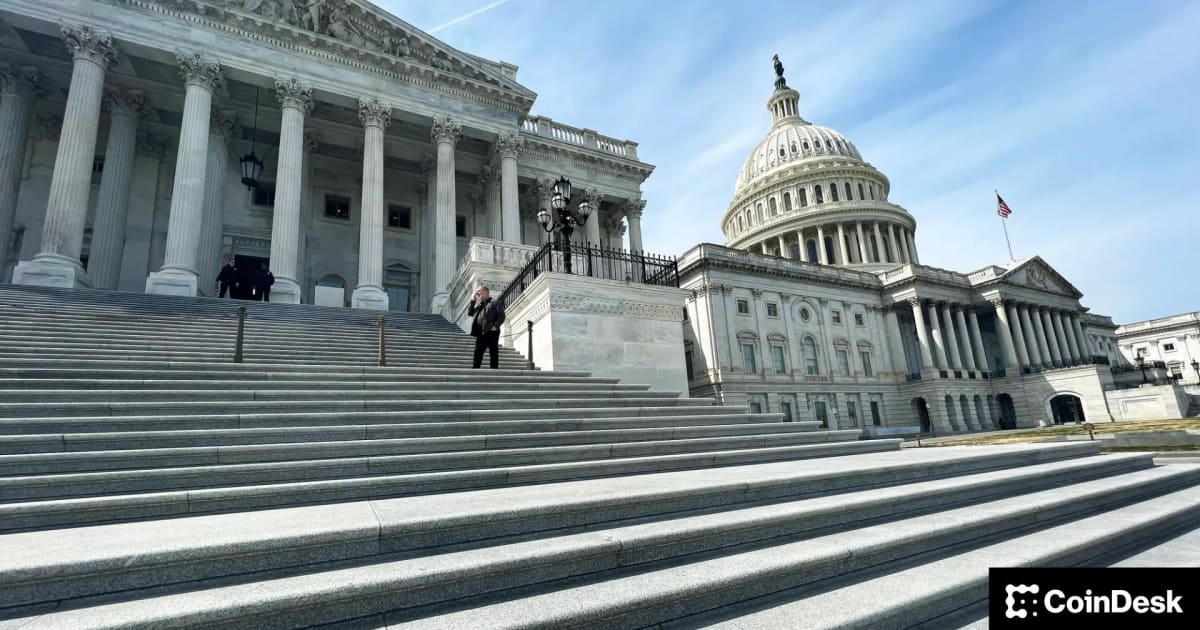
U.S. regulatory ambiguity is stalling global institutional crypto adoption, creating a ripple effect across Indian fintech and IT services. We break down which NSE-listed giants are positioned to weather the volatility and which are at risk.
The Great Crypto Standoff: Why Washington’s Silence is India’s Signal
The U.S. House of Representatives remains locked in a legislative stalemate regarding comprehensive crypto taxation and regulatory oversight. For the global financial markets, this is not merely a bureaucratic delay; it is a profound 'wait-and-see' signal that dictates how institutional capital flows into digital assets. In India, where the regulatory framework for virtual digital assets (VDAs) remains in a state of cautious evolution, U.S. policy often serves as a proxy for global compliance standards.
When the U.S. Securities and Exchange Commission (SEC) and Congress fail to provide clarity, the ripple effects are felt immediately in the Indian equity markets. Indian IT services firms—which derive a significant portion of their revenue from global financial services clients—find themselves at a crossroads. As institutional liquidity dries up or shifts toward traditional safe-havens, the demand for enterprise-grade blockchain solutions fluctuates accordingly.
How Does U.S. Regulatory Uncertainty Influence Indian Tech Valuations?
Historical data from the 2022 crypto winter offers a cautionary tale. During the peak of U.S. regulatory crackdown and market volatility, the Nifty IT index experienced a drawdown of nearly 20% in the months following the collapse of major crypto-linked entities. While the direct exposure of Indian IT majors to crypto-trading revenue is negligible, their exposure to blockchain-as-a-service (BaaS) and fintech infrastructure is substantial.
Currently, the market is pricing in a 'neutral' impact, but the underlying risk is a shift in capital allocation. If U.S. legislative gridlock persists, institutional budgets for experimental blockchain projects—often housed within the digital transformation arms of major Indian IT firms—are likely to be slashed in favor of traditional cloud migration and AI implementation.
Stock-by-Stock Breakdown: Who Wins and Who Loses?
1. Tata Consultancy Services (TCS: NSE)
Impact: Neutral to Positive. TCS maintains a massive, diversified revenue stream. Their 'Quartz' blockchain solution is enterprise-grade, focusing on asset tokenization and cross-border payments rather than speculative trading. With a P/E ratio hovering around 30x, TCS remains a defensive play that benefits from blockchain integration regardless of retail crypto sentiment.
2. Infosys (INFY: NSE)
Impact: Strategic Pivot. Infosys is heavily invested in its 'Finacle' platform. Regulatory ambiguity in the U.S. forces Infosys to pivot its blockchain offerings toward CBDC (Central Bank Digital Currency) pilot programs rather than decentralized crypto markets. This transition is capital-intensive but provides a long-term moat against market volatility.
3. Zensar Technologies (ZENSARTECH: NSE)
Impact: High Sensitivity. As a mid-cap player, Zensar’s growth is more tightly coupled with the aggressive digital transformation budgets of Western fintech startups. A cooling of the U.S. crypto sector directly impacts the liquidity of Zensar’s smaller, crypto-adjacent clients, making it a high-beta play in this environment.
4. Persistent Systems (PERSISTENT: NSE)
Impact: Innovation Exposure. Persistent has been at the forefront of engineering crypto-native infrastructure. While this makes them a 'winner' in a bull market, the current regulatory gridlock creates a drag on their specialized engineering revenue. Investors should watch for a shift in their service mix toward traditional cybersecurity and data analytics.
Expert Perspective: The Bull vs. Bear Divide
The Bull Case: Proponents argue that legislative gridlock is a temporary friction. As the U.S. eventually moves toward a bipartisan regulatory framework, the 'bottled-up' institutional capital will unleash a wave of demand for the very blockchain infrastructure that Indian firms like TCS and Infosys are currently building.
The Bear Case: Skeptics warn of 'capital flight.' If the U.S. remains hostile or indifferent to crypto, global firms will pivot entirely back to legacy financial systems. This would lead to a stagnation in blockchain R&D budgets, directly impacting the revenue growth projections of Indian tech firms specializing in distributed ledger technology (DLT).
Actionable Investor Playbook: Navigating the Gridlock
- Watch the Revenue Mix: Favor companies where blockchain/fintech accounts for less than 15% of total revenue. This ensures that a crypto-sector downturn does not threaten the company’s bottom line.
- Entry Points: Look for opportunities to accumulate TCS and Infosys during 'macro-fear' induced sell-offs. Their diversified portfolios insulate them from sector-specific shocks.
- Avoid Pure-Play Exposure: Avoid smaller, retail-heavy fintech platforms or service providers whose valuation is tied to the trading volumes of crypto exchanges.
- Time Horizon: This is a 24-to-36-month play. The regulatory landscape will not shift overnight; focus on companies with strong balance sheets and cash reserves to sustain R&D through the 'wait-and-see' period.
Risk Matrix
| Risk Factor | Probability | Impact |
|---|---|---|
| Prolonged U.S. Legislative Gridlock | High | Moderate |
| Capital Flight to Safe-Havens | Moderate | High |
| Regulatory Contagion in India | Low | Critical |
What to Watch Next: Catalysts for Change
Investors should monitor the following data releases and legislative milestones:
- U.S. House Financial Services Committee Hearings: Any movement on the 'Financial Innovation and Technology for the 21st Century Act' will signal a shift from gridlock to action.
- Federal Reserve Policy Statements: Shifts in interest rates remain the primary driver of capital flow into risk-on assets; watch for dovish pivots that could reignite crypto-linked project funding.
- Quarterly Earnings Calls: Listen for management commentary from TCS and Infosys regarding 'digital transformation' versus 'blockchain-specific' project pipelines.
Disclaimer: This content is generated by WelthWest Research Desk based on publicly available reports and is for informational purposes only. It does not constitute financial advice, investment recommendations, or an offer to buy or sell securities. Always consult a qualified financial advisor before making investment decisions.


