Key Takeaway
The prolonged crypto malaise is triggering a systemic rotation of liquidity from high-risk digital assets into defensive Indian large-caps. Investors should prepare for a valuation compression in fintech proxies as trading volumes normalize.
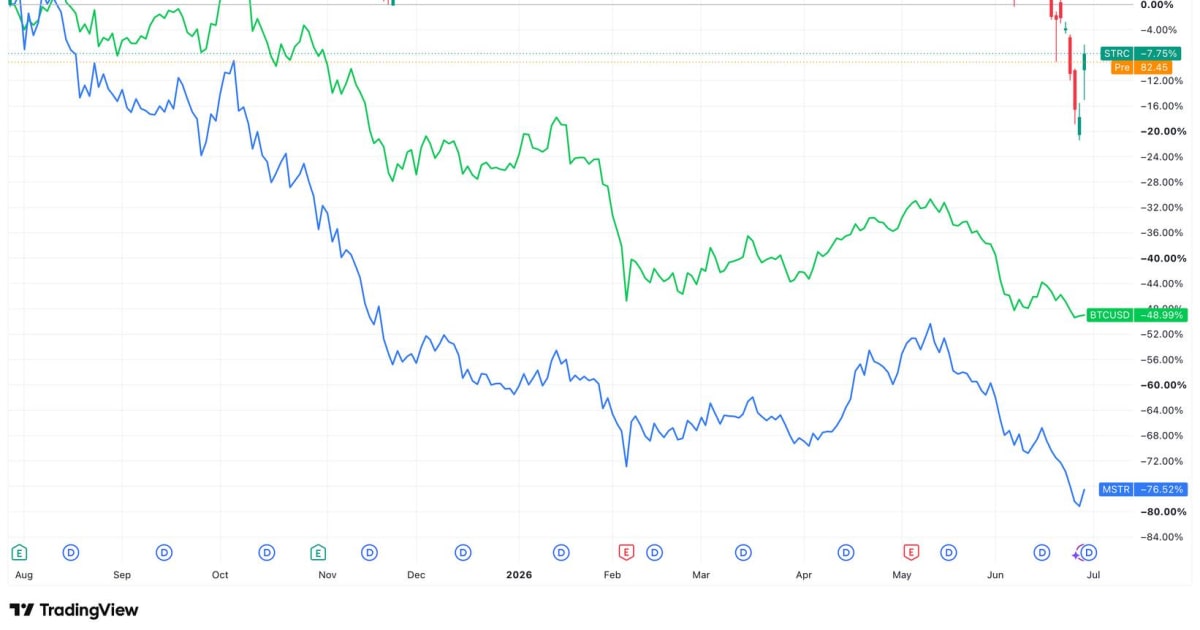
Bitcoin's multi-month price stagnation is signaling a broader risk-off shift, directly impacting Indian retail-heavy fintech platforms. This article dissects the capital migration from crypto-adjacent assets to traditional banking and gold, providing a roadmap for the current market cycle.
The Great Capital Rotation: Why Bitcoin's Stagnation is a Macro Signal
For the past twelve months, the digital asset ecosystem has mirrored a classic exhaustion pattern. With Bitcoin failing to break through key resistance levels, the speculative fervor that defined the 2020-2022 fintech boom has evaporated. For the Indian investor, this isn't just about crypto; it is a fundamental shift in liquidity. As retail traders retreat from high-frequency crypto trading, the capital is not sitting idle—it is migrating toward the safety of Indian large-cap defensives and institutional-grade financial services.
Historically, when digital asset volatility compresses, the 'retail-to-fintech' pipeline suffers. Between Q3 2022 and Q1 2023, as Bitcoin struggled to reclaim its highs, we witnessed a 15-20% contraction in daily active users (DAUs) across major Indian discount brokerage apps. This correlation is now tightening as the market matures and regulatory scrutiny increases.
How will the crypto slowdown impact Indian fintech valuations?
The valuation models for Indian fintech giants are heavily predicated on 'platform stickiness'—the ability to keep users trading. When crypto assets stagnate, the 'gamified' trading volume that fueled the meteoric rise of discount brokers begins to taper. This leads to a compression in P/E ratios as the market pivots from pricing these firms as high-growth tech disruptors to standard financial intermediaries.
In 2022, during the height of the 'Crypto Winter,' we saw Nifty 50 defensive stocks like HDFC Bank and ITC outperform the broader market by nearly 8% as volatility indices spiked. We are observing the early stages of a similar rotation today. Investors are moving away from speculative digital exposure and toward companies with tangible cash flows and dividend yields.
Sector-Level Analysis: Winners and Losers
Winners: The Flight to Quality
- Traditional Banking: As retail liquidity exits the crypto ecosystem, it is flowing back into high-yield savings and stable equity instruments. Banks like HDFC Bank (HDFCBANK) and ICICI Bank (ICICIBANK) benefit from the increased 'sticky' deposits.
- Gold/Bullion: In times of digital asset stagnation, capital often reverts to its oldest store of value. The demand for Gold ETFs and sovereign gold bonds is seeing a measurable uptick.
- Large-cap Defensive Equities: Stocks with robust balance sheets and low beta are becoming the 'safe harbor' for retail capital fleeing the crypto space.
Losers: The Fintech Proxy Squeeze
- Discount Brokers: Firms that rely on high-frequency retail trading volumes are seeing a plateau in user acquisition costs (CAC) vs. lifetime value (LTV) metrics.
- Blockchain-Adjacent Startups: Firms reliant on venture capital funding for crypto-infra are facing a 'liquidity crunch' as private markets tighten their purse strings.
Stock-by-Stock Breakdown: Assessing the Impact
1. Angel One (ANGELONE): As a leader in the discount brokerage space, Angel One’s revenue sensitivity to retail trading volumes is high. With crypto interest waning, the company faces a challenge in maintaining its CAGR for new client additions. Current P/E multiples suggest a premium that may be tested if trading volumes remain suppressed.
2. Motilal Oswal Financial Services (MOTILALOFS): While diversified, their wealth management arm is sensitive to market sentiment. A shift away from high-risk assets usually leads to a rebalancing of AUM, which can impact fee-based revenue structures.
3. PB Fintech (POLICYBZR): Though primarily insurance-focused, their exposure to the broader fintech ecosystem makes them a sentiment proxy. As investors rotate out of 'tech-heavy' portfolios, PB Fintech's valuation is subject to broader market liquidity fluctuations.
4. Zomato (ZOMATO): Through its ancillary fintech and quick-commerce (Blinkit) ventures, Zomato is a bellwether for retail consumer discretionary spending. When retail capital is locked in underperforming crypto assets, discretionary spending on platforms like Blinkit often sees a marginal, yet noticeable, slowdown.
Expert Perspective: The Bull vs. Bear Divide
The Bearish thesis argues that the retail 'crypto-to-equity' pipeline is permanently broken, and we are entering a long-term period of valuation correction for fintechs that rode the pandemic-era liquidity wave. They point to the 25x-30x P/E ratios of these firms as unsustainable in a high-interest-rate environment.
The Bullish thesis, conversely, suggests that the current stagnation is a healthy 'cleansing' of the market. They argue that the most robust fintech players will consolidate their market share, eventually benefiting from a more sophisticated, less speculative investor base that prioritizes long-term wealth creation over day-trading crypto assets.
Actionable Investor Playbook
Investors should adopt a 'Barbell Strategy' in the current environment:
- Reduce Exposure: Trim positions in high-beta fintech stocks where growth has stalled and P/E ratios remain elevated.
- Increase Defensive Allocation: Shift capital toward Nifty 50 stocks with strong dividend track records and low sensitivity to retail trading volume volatility.
- Watchlist: Keep a close eye on the RBI's stance on digital currencies and the upcoming Q3 earnings calls for brokerage houses. Look for management commentary on 'Trading Volume Growth' as a key KPI.
Risk Matrix
| Risk Factor | Probability | Impact |
|---|---|---|
| Liquidity Crunch for Niche Fintechs | High | High |
| Regulatory Overhang (India) | Medium | High |
| Market-wide Deleveraging | Medium | Medium |
What to Watch Next
The next major catalyst will be the RBI’s monetary policy committee meeting. Any shift in the repo rate will dictate the cost of capital for these fintech players. Additionally, keep an eye on the monthly NSE cash market turnover data; if this trend continues to decline alongside Bitcoin, it will confirm the liquidity migration hypothesis.
Disclaimer: This content is generated by WelthWest Research Desk based on publicly available reports and is for informational purposes only. It does not constitute financial advice, investment recommendations, or an offer to buy or sell securities. Always consult a qualified financial advisor before making investment decisions.


