Key Takeaway
The integration of Dogecoin into physical payment infrastructure signals a shift from 'crypto as asset' to 'crypto as currency.' For Indian investors, this intensifies the long-term pressure on legacy payment rails and forces a strategic pivot for domestic fintech giants.
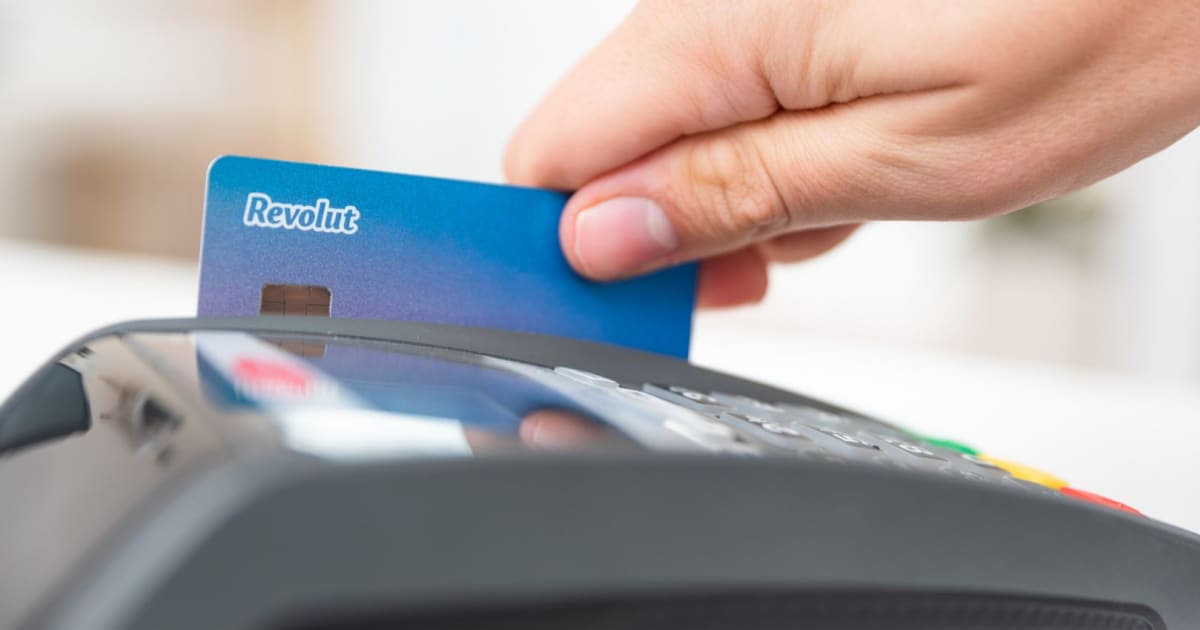
Revolut’s latest move to embed Dogecoin into its physical card network marks a pivotal moment for retail crypto adoption. While the Indian market remains under a stringent regulatory umbrella, this global trend creates a clear divide between legacy financial institutions and tech-forward payment processors. We break down the implications for your portfolio.
The Paradigm Shift: From Volatile Asset to Daily Utility
The recent integration of Dogecoin into Revolut’s physical payment card infrastructure is not merely a headline-grabbing gimmick; it is a structural evolution in the global payment stack. By allowing users to spend a memecoin at the point of sale, Revolut is effectively stress-testing the bridge between decentralized ledgers and legacy VISA/Mastercard rails. For the global financial ecosystem, this represents the 'normalization' phase of crypto-spending—a transition from speculative holding to transactional utility.
Why does this matter now? We are witnessing the maturation of the 'Crypto-as-a-Service' (CaaS) model. As transaction costs on Layer-2 networks drop and merchant adoption tools become more robust, the friction associated with spending digital assets is evaporating. While the Indian market currently exists in a state of 'regulatory hibernation' due to the RBI’s cautious stance and the 30% tax on virtual digital assets (VDAs), the global momentum is creating an inescapable gravitational pull on Indian fintech valuations.
How will the Dogecoin integration affect global payment trends?
The primary disruption here is the disintermediation of traditional cross-border remittance and merchant acquiring services. When a retail user taps a card that draws from a Dogecoin balance, they are bypassing traditional FX conversion fees and settlement delays. Historically, when fintechs pushed the boundaries of traditional banking in 2021, we saw the Nifty Financial Services index undergo a volatility shift, with high-beta stocks reacting sharply to the prospect of 'crypto-competition.'
The integration of volatile assets into retail payment rails isn't just a technical upgrade; it's a direct challenge to the high-margin, low-transparency fee models of legacy credit card issuers.
The Indian Market Connection: Who Wins and Who Loses?
In India, the direct impact is muted by the 1% TDS on crypto transactions, which acts as a massive deterrent for high-frequency retail spending. However, the indirect impact on sentiment is profound. Indian fintechs are currently trading at compressed P/E multiples compared to their 2022 peaks, largely due to concerns over 'regulatory obsolescence.'
Impacted Stocks: A Strategic Breakdown
- One97 Communications (Paytm): As a leader in the UPI ecosystem, Paytm is the most exposed to 'digital wallet' evolution. If global trends force a shift toward crypto-integrated payments, Paytm’s massive merchant base makes it the primary candidate for a 'crypto-first' pivot, provided regulatory clarity improves. Currently trading at a discount, it remains a high-risk, high-reward play on digital payments.
- PB Fintech (PolicyBazaar): While not a direct payment processor, PB Fintech’s platform is built on the efficiency of digital transactions. Any shift in consumer behavior toward decentralized payment options impacts their customer acquisition cost (CAC) and cross-selling efficiency.
- HDFC Bank & ICICI Bank: These legacy giants are the 'losers' in the long-term narrative. Their high-margin credit card businesses are built on the back of the current centralized clearinghouse model. A shift toward crypto-linked cards threatens their 'float' and interchange fee revenue streams.
- Computer Age Management Services (CAMS): As a registrar and transfer agent, CAMS is sensitive to shifts in asset classes. If crypto becomes a mainstream retail asset class, the infrastructure for its management will eventually demand the kind of professional oversight that CAMS provides for mutual funds.
Contrarian Perspectives: The Bulls vs. The Bears
The Bull Case: Proponents argue that the Revolut move is the 'iPhone moment' for crypto. By removing the need for a separate crypto-wallet app, they are lowering the barrier to entry for the average consumer. Bulls point to the potential for 'programmable money' to reduce settlement times from T+2 to real-time, potentially saving the global economy billions in settlement costs.
The Bear Case: Skeptics, particularly those aligned with central bank mandates, emphasize the 'volatility trap.' Using a volatile asset like Dogecoin for a cup of coffee is a tax nightmare and a consumer protection failure. Furthermore, the cybersecurity risks associated with linking a hot-wallet to a physical card are significant. If a card is skimmed, the potential for total loss of crypto assets is far higher than the capped liability of a traditional credit card.
Actionable Investor Playbook: How to Position Your Portfolio
Investors should view this development as a long-term signal rather than a short-term trade. The 'crypto-as-currency' theme is currently in the 'awareness' phase in India.
- Monitor Regulatory Signals: Watch for any softening in the RBI’s stance on VDAs. Any reduction in the 1% TDS would be a massive catalyst for Indian fintech stocks.
- Watch the 'Fintech Pivot': Track the R&D spending of Indian payment firms. Companies that are quietly investing in blockchain-native payment gateways are the ones to watch for the 2026-2027 horizon.
- Diversify Against Legacy: Reduce exposure to traditional banks that rely heavily on interchange fee income, as these are the most vulnerable to crypto-disruption.
Risk Matrix
| Risk Factor | Probability | Impact |
|---|---|---|
| Regulatory Crackdown (India) | High | High |
| Cybersecurity/Wallet Breach | Medium | Extreme |
| Retail Adoption Failure | Medium | Low |
What to Watch Next
The next major move will come from the G20 working groups on crypto-assets. Keep a close watch on the upcoming BIS (Bank for International Settlements) reports regarding 'Stablecoin Integration in Retail Payments.' These documents often serve as the blueprint for central banks—including the RBI—when drafting their own internal policies. If the BIS signals a framework for regulated retail crypto-spending, expect a massive rally in Indian fintech sentiment within 48 hours of the announcement.
Disclaimer: This content is generated by WelthWest Research Desk based on publicly available reports and is for informational purposes only. It does not constitute financial advice, investment recommendations, or an offer to buy or sell securities. Always consult a qualified financial advisor before making investment decisions.


