Key Takeaway
Eid al-Adha 2026 will see Indian stock exchanges and banks close, pausing trading. Investors should anticipate a post-holiday surge in consumer discretionary sectors, particularly poultry and retail, driven by festive demand.
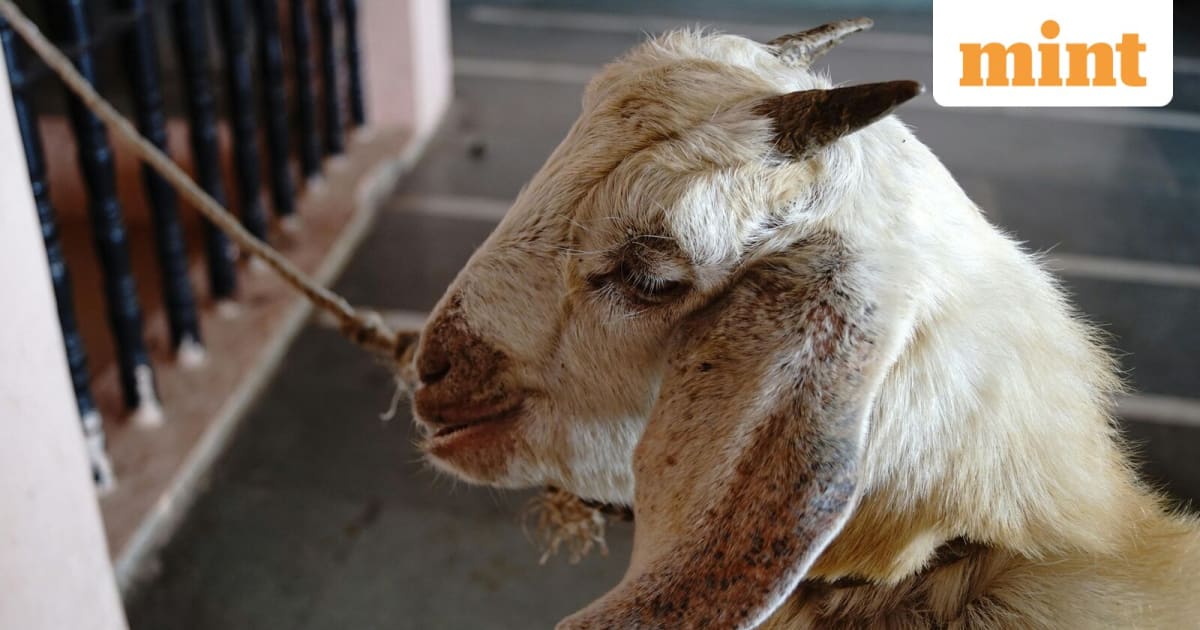
As Eid al-Adha approaches in 2026, Indian financial markets face a scheduled closure. This analysis delves into the immediate trading halt and, more importantly, the predictable seasonal uptick in consumer spending across key sectors. We identify specific stock opportunities and risks for discerning investors navigating this festive period.
Eid al-Adha 2026: Navigating the Market Holiday and Festive Spending Surge
The observance of Eid al-Adha, also known as Bakrid, in 2026 marks a significant, albeit temporary, pause in Indian financial market activity. Scheduled for May 27th, 2026, this public holiday necessitates the closure of the Bombay Stock Exchange (BSE) and the National Stock Exchange (NSE), halting all domestic trading and settlement operations. While the immediate effect is a single-day hiatus in market function, the broader economic implications extend to a predictable seasonal acceleration in consumer spending, particularly within sectors directly catering to festive needs. Understanding these dynamics is crucial for investors seeking to capitalize on or mitigate potential shifts in market sentiment and sector performance.
Why Eid al-Adha 2026 Matters for Indian Investors
The significance of Eid al-Adha for the Indian economy transcends its religious and cultural importance. For the financial markets, it represents a scheduled interruption. The closure of NSE and BSE on May 27th, 2026, means that Indian investors will be disconnected from global market movements for a full trading day. This isolation can lead to a 'gap' effect upon reopening, where prices adjust sharply to reflect overnight international trends that were not factored into domestic valuations. More profoundly, the festival itself acts as a powerful economic catalyst. Historically, the period surrounding Eid al-Adha witnesses a substantial increase in discretionary spending. This surge is primarily concentrated in consumer staples, particularly meat and poultry, as well as retail goods, and travel services, as families gather and celebrate. This pattern provides a predictable, albeit short-term, boost to specific industries, creating distinct opportunities and potential headwinds.
Deep Market Impact Analysis: From Trading Halts to Sectoral Shifts
The direct impact of the Eid al-Adha 2026 holiday on the Indian stock market is twofold: the immediate cessation of trading and the subsequent recalibration of investor sentiment. On May 27th, 2026, neither the NSE nor the BSE will operate. This means that any significant global news, from international economic data releases to geopolitical events, will accumulate and be priced into Indian equities on May 28th, 2026. Such events can lead to increased volatility, especially if the accumulated global sentiment diverges sharply from domestic expectations. Historically, single-day market closures followed by significant global events have resulted in opening gaps. For instance, following the Diwali holiday closure in 2022, the Nifty 50 experienced a notable opening gap upwards due to positive global cues. Conversely, negative international sentiment could trigger a sell-off.
Beyond the immediate trading halt, the festival's economic ripple effect is more nuanced. The 'Eid spending spree' is a well-documented phenomenon. Sectors that directly benefit from increased consumer expenditure tend to outperform in the weeks leading up to and immediately following the festival. These include:
- Fast-Moving Consumer Goods (FMCG), specifically Meat & Poultry: The ritual of sacrificing an animal and distributing its meat is central to Eid al-Adha. This drives significant demand for livestock and poultry.
- Retail: New clothing, gifts, and household items are purchased in large quantities, boosting sales for apparel retailers, department stores, and general merchandise outlets.
- Aviation & Hospitality: Increased travel for family reunions and vacations leads to higher demand for airline tickets and hotel bookings.
While there are no direct 'losers' from this holiday, sectors less aligned with festive spending might see relative underperformance due to capital reallocation by investors. The overall market sentiment leading into the holiday is typically neutral, with price action influenced more by broader economic trends than the festival itself. However, the post-holiday period often sees a short-term bullish bias in consumer-facing stocks.
Stock-by-Stock Breakdown: Identifying Key Players in the Eid Al-Adha Rally
Several publicly listed companies on the NSE and BSE are poised to experience a tangible impact from the Eid al-Adha festivities. Investors should closely monitor these names:
- Venky's (India) Ltd (NSE: VENKYS): As a leading integrated poultry producer, Venky's is a direct beneficiary of increased meat consumption. The company's revenue typically sees a seasonal uplift around major festivals involving meat consumption. With a market capitalization of approximately INR 3,500 crore and a P/E ratio that fluctuates but historically hovers around 40-50, its performance is closely tied to demand-supply dynamics in the poultry sector. Analysts often project a 10-15% increase in sales volume for Venky's during the Eid al-Adha period compared to non-festive quarters.
- InterGlobe Aviation (IndiGo) (NSE: INDIGO): The dominant player in India's aviation sector, IndiGo's load factors and yields are expected to rise as more individuals travel to celebrate Eid al-Adha with their families. The company, with a market cap exceeding INR 1,00,000 crore and a P/E ratio around 25-30, benefits from increased passenger traffic. Historical data suggests a 5-10% surge in domestic air travel bookings during the festival week.
- Trent Ltd (NSE: TRENT): This retail giant, part of the Tata Group, operates popular fashion brands like Westside and Zudio. Eid al-Adha, like other festivals, drives significant demand for new apparel and lifestyle products. Trent's market cap, which has grown substantially to over INR 80,000 crore with a P/E ratio often above 70, indicates strong investor confidence in its growth trajectory, which is further bolstered by seasonal spending. Expect a 7-12% uptick in same-store sales for its fashion segments.
- Shoppers Stop Ltd (NSE: SHoppersSTOP): Another key player in the Indian retail landscape, Shoppers Stop is well-positioned to capture increased spending on clothing, accessories, and beauty products. The company, with a market cap of around INR 5,000 crore and a P/E ratio often in the 50-60 range, relies on such festive periods to drive a significant portion of its annual revenue. A potential 8-13% increase in sales during this period is a reasonable expectation.
- Indian Hotels Company Ltd (IHCL) (NSE: IHCL): Operating under the Taj brand, IHCL is a premier hospitality provider. Increased travel for Eid al-Adha translates into higher occupancy rates and, consequently, improved revenues for its hotels, particularly in regions with significant Muslim populations. With a market cap nearing INR 60,000 crore and a P/E ratio around 50-55, IHCL's performance often sees a 4-8% boost in revenue per available room (RevPAR) during festive seasons.
Expert Perspective: Bulls vs. Bears on the Eid Al-Adha Impact
The market's reaction to the Eid al-Adha holiday and its associated spending patterns presents a divergence of opinion among financial analysts.
Bullish View: Proponents of a bullish outlook emphasize the predictable, seasonal surge in consumer demand. They argue that companies in the poultry, retail, and aviation sectors are fundamentally sound and that the festive period provides a reliable catalyst for short-term revenue growth. Furthermore, they posit that the market closure, while creating potential for an opening gap, often leads to a positive recalibration if global markets have performed well, and the underlying strength of the Indian economy will drive a rebound. The focus for bulls is on accumulating positions in these consumer-centric stocks before the festival, anticipating a post-holiday rally.
Bearish View: Contrarian analysts, while acknowledging the seasonal spending, express caution. Their primary concern revolves around the short-term liquidity risk associated with the market closure. Bears highlight the potential for adverse global news to create a significant downward gap upon reopening, overshadowing any festive cheer. They also point out that the increased demand is often short-lived and may not fundamentally alter the long-term growth prospects of these companies. Bears might advocate for reducing exposure to consumer discretionary stocks just before the holiday, anticipating a potential sell-off driven by external factors, or using the temporary lull to reallocate capital to more defensive sectors.
Actionable Investor Playbook for Eid al-Adha 2026
For investors looking to strategically position themselves around the Eid al-Adha 2026 holiday, a nuanced approach is recommended:
- Buy: Consider initiating or increasing positions in companies like Venky's (VENKYS), InterGlobe Aviation (INDIGO), Trent Ltd (TRENT), and Shoppers Stop (SHoppersSTOP) in the week leading up to May 27th. The optimal entry point would be dips in price during this period, anticipating a 5-10% price appreciation in the immediate post-holiday trading sessions. The time horizon for this strategy is short-term, focusing on the 1-3 weeks following the festival.
- Watch: Keep a close eye on Indian Hotels Company Ltd (IHCL) as well. While its immediate gains might be less pronounced than pure retail or poultry plays, its consistent performance during festive seasons makes it a steady performer. For IHCL, consider entry points on any minor pullbacks, with a slightly longer holding period of 1-2 months to capture the full benefit of increased tourism and travel.
- Avoid: While no sector is a definitive 'sell,' investors should be wary of over-allocating to sectors not directly benefiting from consumer spending. If global markets show significant weakness in the days preceding the holiday, consider taking partial profits in consumer discretionary stocks to de-risk before the reopening.
- Liquidity Management: Ensure that any planned transactions requiring market access are completed well before the May 27th closure to avoid missing trading opportunities or facing unexpected price movements.
Risk Matrix: Navigating Potential Pitfalls
While the economic impact of Eid al-Adha is largely predictable, certain risks warrant consideration:
- Short-Term Liquidity Risk (Probability: Medium): The primary risk is the accumulation of global market news during the single-day closure. A significant negative event abroad could lead to a sharp, unwelcome opening gap for Indian equities on May 28th, causing immediate portfolio value erosion.
- Price Volatility Upon Reopening (Probability: Medium-High): This is directly linked to the liquidity risk. The market's reaction to accumulated global cues can be exaggerated in the initial trading hours, leading to heightened volatility as domestic investors digest international sentiment.
- Unforeseen Domestic Events (Probability: Low): While unlikely, any unexpected domestic economic or political news during the holiday period could also influence market sentiment upon reopening, independent of global trends.
What to Watch Next: Post-Holiday Catalysts
Following the Eid al-Adha 2026 holiday, investors should focus on several key indicators and upcoming events:
- Global Market Performance: The performance of major international indices (e.g., S&P 500, FTSE 100, Nikkei 225) on May 27th will be the most critical factor influencing the Indian market's opening on May 28th.
- RBI Policy Announcements: Any monetary policy decisions or statements from the Reserve Bank of India in the weeks following the holiday could significantly impact interest rate-sensitive sectors and overall market sentiment.
- Corporate Earnings: As the earnings season progresses, company-specific performance reports will become increasingly important drivers of stock prices, potentially overshadowing short-term festive impacts.
- Inflation Data: Key inflation figures for India and major global economies will be closely watched for their implications on future monetary policy and consumer purchasing power.
By understanding the interplay between the scheduled market holiday, the predictable surge in consumer spending, and the inherent market risks, investors can better navigate the financial landscape around Eid al-Adha 2026.
Disclaimer: This content is generated by WelthWest Research Desk based on publicly available reports and is for informational purposes only. It does not constitute financial advice, investment recommendations, or an offer to buy or sell securities. Always consult a qualified financial advisor before making investment decisions.


