Key Takeaway
The FIFA World Cup serves as a massive liquidity injector for India's digital and QSR ecosystems; investors should pivot toward 'Screen-Time Beneficiaries' and 'Impulse Consumption' stocks at least one quarter before kickoff.
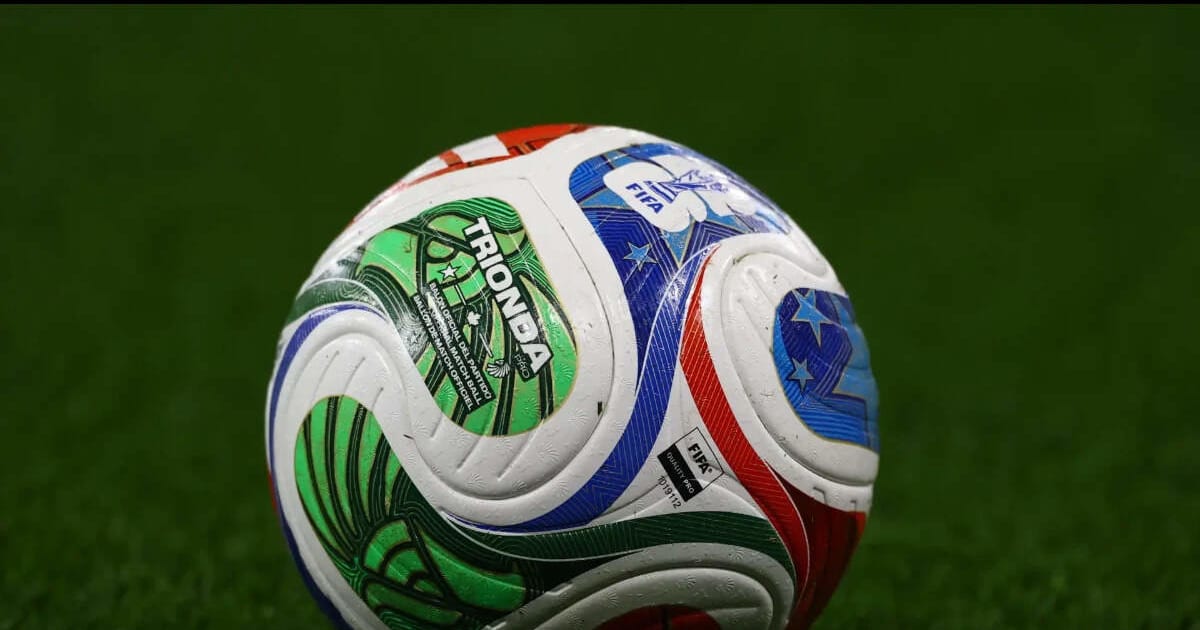
While India may not be on the pitch, the Indian stock market remains a primary beneficiary of the FIFA World Cup's global economic footprint. From Reliance's media dominance to Zomato's delivery surge, this report breaks down the multi-billion dollar 'Football Multiplier' effect on the NSE and BSE.
The 'Football Multiplier': Why FIFA 2026 is a Structural Catalyst for Indian Equities
For the uninitiated, the connection between a global football tournament and the Indian equity markets might seem tangential. However, at WelthWest Research, we view the FIFA World Cup not merely as a sporting event, but as a massive macroeconomic disruptor. The tournament triggers a concentrated surge in discretionary spending, a reallocation of household time-budgets, and a significant spike in digital infrastructure utilization.
Historically, mega-sporting events like the IPL and the ICC Cricket World Cup have provided a 2-3% incremental lift in the quarterly revenues of consumer-facing sectors. FIFA, with its younger, more tech-savvy demographic in India, offers a unique 'Digital-First' impact. During the 2022 Qatar World Cup, JioCinema recorded a staggering 110 million viewers, fundamentally altering the media rights landscape. As we approach the next cycle, the 'Football Multiplier' is expected to influence approximately ₹5,000 crore in incremental advertising expenditure (AdEx) and consumer spending across the Indian subcontinent.
How will the FIFA World Cup impact Indian consumer discretionary sectors?
The impact is bifurcated into two primary channels: Content Consumption and Physical Fulfillment. On the content side, the shift from traditional linear television to OTT (Over-The-Top) platforms is accelerating. This benefits telecom giants and media conglomerates. On the fulfillment side, the 'watch-party' culture in urban India drives a predictable surge in Average Order Values (AOV) for food delivery platforms and Quick Service Restaurants (QSRs).
Data from previous tournaments suggests that during high-stakes matches (quarter-finals onwards), food delivery volumes can spike by 15-20% compared to non-match days. Furthermore, the beverage industry, specifically the alcobev and carbonated soft drink segments, sees a direct correlation between match timings and volume off-take. For an investor, the key is identifying companies with the operating leverage to turn this temporary volume spike into sustainable margin expansion.
Deep Market Impact Analysis: Connecting the Pitch to the Portfolio
To understand the depth of this impact, we must look at the AdEx (Advertising Expenditure) ecosystem. India's digital ad market is growing at a CAGR of 25-30%. FIFA provides the perfect 'tentpole' event for brands in the fintech, gaming, and FMCG sectors to deploy capital. This revenue flows directly into the coffers of media rights holders and digital platforms.
"The FIFA World Cup is the only event that rivals the IPL in terms of capturing the Gen-Z and Millennial wallet share in India. For brands, it's not about sports; it's about the most efficient CAC (Customer Acquisition Cost) window of the year." — Senior Analyst, WelthWest Research.
Furthermore, the Telecom sector experiences a 'Data Deluge.' High-definition streaming of a 90-minute football match consumes roughly 2GB to 5GB of data per user. For players like Bharti Airtel and Reliance Jio, this drives higher data pack upgrades and improves the Average Revenue Per User (ARPU). In a market where ARPU growth is the primary driver of stock re-rating, the World Cup acts as a silent catalyst for valuation expansion.
The Sectoral Winners and Losers
- Winners: Media (Digital Rights), Telecom (Data consumption), QSR (Pizza and Burgers), Beverages (Beer and Soda), and Sportswear (Jersey sales and athleisure).
- Losers: Traditional Cinema (lower footfalls during match hours) and high-productivity sectors where evening shifts might see absenteeism or reduced output.
Stock-by-Stock Breakdown: The World Cup Portfolio
1. Reliance Industries (NSE: RELIANCE)
Reliance is no longer just an O2C (Oil-to-Chemicals) play; it is a media and telecom behemoth. Through Viacom18 and JioCinema, Reliance holds the keys to the digital broadcast kingdom. Why it matters: The integration of FIFA streaming into the Jio ecosystem allows for hyper-targeted advertising. With a market cap exceeding ₹19 trillion and a P/E ratio hovering around 26-28x, the media segment's growth provides a high-margin cushion to the traditional business. Investors should monitor the growth in 'Digital Ad Revenue' in the quarterly reports following the tournament.
2. Zomato Ltd (NSE: ZOMATO)
Zomato has evolved from a loss-making startup to a profitable platform with a dominant market share in the food delivery space. During the 2022 World Cup, Zomato saw record-breaking orders during the final. The Catalyst: The 'Gold' loyalty program and the 'Intercity Legends' feature are likely to see high utilization during group stage matches. With a current focus on reaching a 4-5% EBITDA margin in the food delivery business, the World Cup-led volume surge could provide the necessary scale to hit these targets ahead of schedule. Sector peers like Swiggy (post-IPO) will also be critical to watch.
3. Jubilant Foodworks (NSE: JUBLFOOD)
As the master franchisee for Domino’s Pizza in India, Jubilant is the quintessential 'Match Day' stock. Pizza is the preferred 'group-sharing' food for football fans. Data Point: Historically, Jubilant's Same-Store Sales Growth (SSSG) sees a 150-200 basis point lift during major global sporting windows. While the stock has faced headwinds due to high inflation affecting cheese and flour prices, the volume growth during FIFA can help offset these margin pressures through better fixed-cost absorption.
4. United Breweries (NSE: UBL)
The 'Beer and Football' correlation is a global phenomenon that holds true in India's urban centers. United Breweries, with its Kingfisher brand, dominates the Indian market with over 50% share. The Strategy: UBL often launches tournament-specific packaging and marketing campaigns. Despite the regulatory hurdles in the Indian alcohol industry, the 'Home Consumption' segment (Off-trade) sees a significant uptick during 8 PM and 11 PM IST match slots. Keep an eye on the volume growth in the premium portfolio (Heineken, Kingfisher Ultra), which carries higher margins.
5. Bharti Airtel (NSE: BHARTIARTL)
Airtel remains the preferred choice for premium data users in India. As football fans demand lag-free, 4K streaming, Airtel's 5G rollout becomes a competitive advantage. Investment Thesis: Airtel's focus on high-value customers aligns perfectly with the FIFA demographic. An increase in data top-ups and a shift toward higher-value monthly plans during the tournament window can lead to a 1-2% surprise in ARPU growth, often the main trigger for the stock's upward trajectory.
Expert Perspective: The Bull vs. Bear Case
The Bull Case: Optimists argue that the increasing penetration of 5G and the rise of the 'GIG economy' make this World Cup more impactful than any before. They point to the 'Wealth Effect'—as the Indian middle class grows, their propensity to spend on 'experiences' (like premium streaming and gourmet delivery) during global events is at an all-time high.
The Bear Case: Skeptics highlight the 'Time Zone Friction.' If the tournament is held in the Americas (as in 2026), many matches will occur late at night or early morning in India (IST). This could severely limit live viewership and dampen the 'Watch Party' effect that drives QSR and beverage sales. Furthermore, persistent food inflation could lead consumers to choose home-cooked meals over expensive delivery, neutralizing the expected revenue spike for Zomato and Jubilant.
Actionable Investor Playbook: How to Trade the Trend
- The Pre-Game Entry (T-minus 3 months): Accumulate shares in Reliance and Bharti Airtel. Telecom and Media sectors tend to price in the 'Ad-spend' and 'Data-use' optimism early.
- The Momentum Play (During Group Stages): Watch Zomato and Jubilant Foodworks. If initial data suggests high order volumes despite late-night timings, these stocks often see a 'sentiment-driven' rally.
- The Exit Strategy: Historically, the 'Sporting Premium' in stock prices tends to evaporate within 2 weeks after the final match. Investors should look to trim positions in pure-play consumption stocks (UBL, JUBLFOOD) as the tournament concludes to lock in gains.
Risk Matrix: What Could Go Wrong?
| Risk Factor | Probability | Impact | Mitigation |
|---|---|---|---|
| Time Zone Mismatch | High | Moderate | Focus on digital highlights and 'On-Demand' content plays rather than live-only. |
| Inflationary Pressure | Moderate | High | Stick to companies with high pricing power (e.g., Titan for sportswear, Airtel for data). |
| Ad-Spend Fatigue | Low | Moderate | Monitor corporate earnings for signs of marketing budget cuts post-IPL. |
What to Watch Next: The Road to Kickoff
The next major catalyst for this story will be the announcement of official broadcast partnerships and the release of ad-rate cards for the 2026 cycle. Additionally, keep a close watch on the RBI Monetary Policy; any rate cuts leading up to the tournament will further boost discretionary spending power, providing a double-tailwind for the QSR and Beverage sectors. Finally, the quarterly results of Reliance and Zomato in the lead-up will provide the first real data points on 'Pre-Event' marketing momentum.
Disclaimer: This content is generated by WelthWest Research Desk based on publicly available reports and is for informational purposes only. It does not constitute financial advice, investment recommendations, or an offer to buy or sell securities. Always consult a qualified financial advisor before making investment decisions.