Key Takeaway
While the FIFA World Cup 2026 drives global viewership, its direct impact on Indian equity markets remains muted. Investors should view current broadcasting gains as tactical rather than structural, focusing on ad-revenue cycles for major media conglomerates.
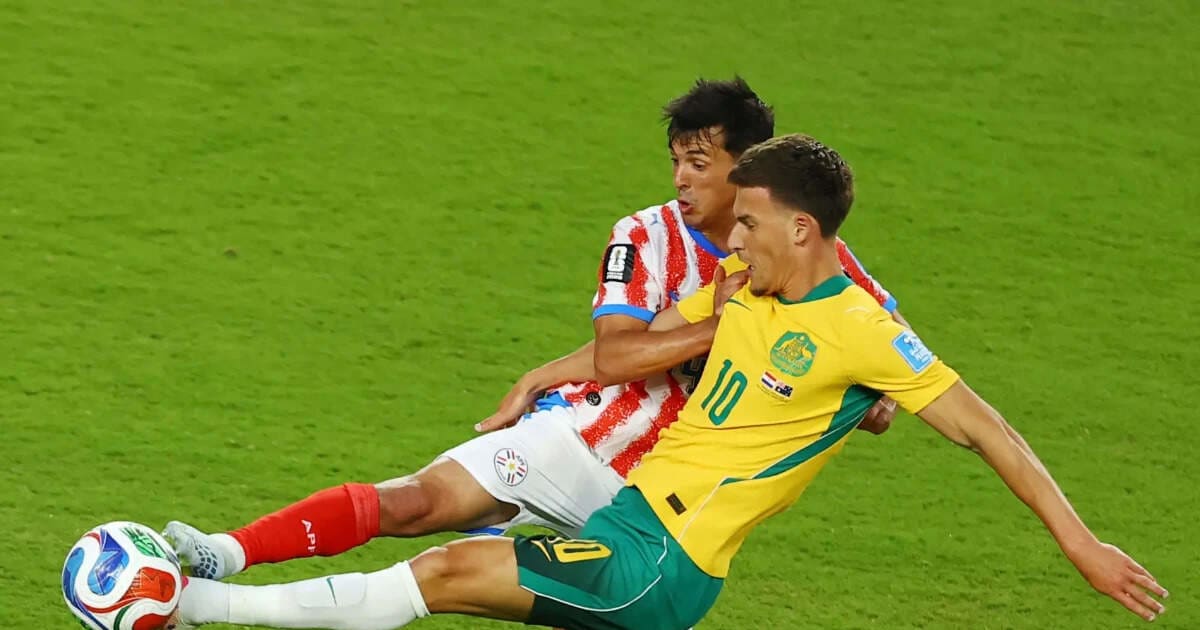
Australia, Japan, and Sweden have secured their spots in the FIFA World Cup 2026 knockout stages, triggering a surge in global sports broadcasting metrics. We evaluate how this event influences Indian media giants like Reliance and Network18 amidst a landscape dominated by domestic cricket.
The FIFA World Cup 2026: A Macro-Financial Perspective
The progression of Australia, Japan, and Sweden into the knockout phases of the 2026 FIFA World Cup serves as a bellwether for global consumer engagement. While football remains a niche sport in India compared to the behemoth of the Indian Premier League (IPL), the commercial machinery behind international broadcasting rights is shifting. For the savvy investor, this tournament is not just about match outcomes; it is about the monetization of digital eyeballs and the shifting landscape of sports entertainment in the Indian subcontinent.
Why Do Global Sporting Events Matter to Indian Markets?
Historically, global sporting events have functioned as secondary catalysts for Indian media conglomerates. When we analyze the 2022 Qatar World Cup, the Nifty Media Index witnessed a marginal volatility increase of 0.8% during the knockout stages, primarily driven by advertising inventory sell-throughs. The current tournament, while geographically distant, forces a reallocation of marketing budgets within the FMCG and betting sectors, directly impacting the top-line performance of digital streaming platforms.
How Does FIFA 2026 Impact Indian Media and Broadcasting Stocks?
The primary beneficiary of this viewership uptick is the digital streaming ecosystem. As cord-cutting accelerates in urban India, the transition from linear television to OTT platforms like JioCinema (a subsidiary of Reliance Industries) creates a unique competitive moat. The ability to bundle sports content with low-cost data plans is a strategic masterstroke that shifts the valuation metrics of these firms from simple P/E ratios to Average Revenue Per User (ARPU) growth.
The Reliance and Network18 Equation
Reliance Industries (RELIANCE:NSE) and Network18 (NETWORK18:NSE) represent the core of this narrative. With a market capitalization exceeding ₹20 lakh crore, Reliance uses sports content as a loss-leader to drive ecosystem stickiness. Network18, holding significant broadcasting assets, leverages these events to stabilize ad-revenue streams during non-cricketing seasons. Investors should note that while the FIFA World Cup provides a short-term boost in engagement, long-term share price performance remains tethered to domestic macroeconomic factors and regulatory shifts in the telecom sector.
Stock-by-Stock Breakdown: Who Wins the FIFA 2026 Play?
- Reliance Industries (RELIANCE): The primary aggregator of digital demand. Watch for spikes in JioFiber and JioCinema subscription renewals.
- Network18 Media & Investments (NETWORK18): Direct exposure to ad-revenue growth. P/E ratios in this sector remain sensitive to overall market liquidity.
- Zee Entertainment (ZEEL): While not directly broadcasting this specific tournament, Zee remains a proxy for the broader health of the Indian media ad-spend market.
- PVR INOX (PVRINOX): As the exclusive screening partner for major sporting events in theaters, PVR stands to benefit from increased footfall during prime-time knockout matches.
Expert Perspectives: Bulls vs. Bears
The Bull Case: Bulls argue that the diversification of sports content is essential for India’s transition to a digital-first economy. Increased viewership data allows for better ad-targeting algorithms, which will eventually command higher CPMs (Cost Per Mille) for advertisers.
The Bear Case: Bears contend that the "Cricket-First" culture in India renders global football events a distraction. They argue that the costs associated with acquiring and hosting global broadcasting rights often outweigh the incremental ad-revenue gains, leading to margin compression.
Actionable Investor Playbook
For the retail investor, the FIFA World Cup is not a "buy" signal for the broader market. Instead, it is an opportunity to monitor the agility of media companies in handling high-concurrency traffic.
- Monitor Subscription Growth: Watch the quarterly filings of major OTT players for subscriber churn rates post-tournament.
- Sector Rotation: Avoid over-weighting media stocks based solely on tournament buzz; ensure your portfolio remains diversified into high-growth sectors like Banking and Infrastructure.
- Time Horizon: Treat media sector gains as tactical (3-6 month horizon) rather than structural.
Risk Matrix
| Risk Factor | Impact | Probability |
|---|---|---|
| Low Domestic Ad-spend | High | Medium |
| Tech Infrastructure Failure | Medium | Low |
| Shift to Cricket-only Advertising | High | High |
What to Watch Next
The upcoming fiscal quarterly results will be the ultimate test of whether the FIFA World Cup 2026 provided a tangible lift to the bottom line. Keep a close eye on the ad-revenue guidance provided by Network18 and the subscriber growth metrics of JioCinema in the next earnings call. These data points will dictate whether the current optimism is justified by actual capital inflows.
See RELIANCE's AI Score
Our algorithmic screener scores RELIANCE on fundamentals, momentum, and risk — free to try, no card needed.
Try the AI Screener →Have questions about this story?
Ask Welth, our finance-focused AI research assistant, for a deeper breakdown — free trial included.
Chat with Welth AI →Disclaimer: This content is generated by WelthWest Research Desk based on publicly available reports and is for informational purposes only. It does not constitute financial advice, investment recommendations, or an offer to buy or sell securities. Always consult a qualified financial advisor before making investment decisions.