Key Takeaway
The sustained decoupling of retail fuel prices from global crude benchmarks is eroding OMC margins, creating a fiscal ticking time bomb that threatens to squeeze corporate earnings and trigger inflationary volatility.
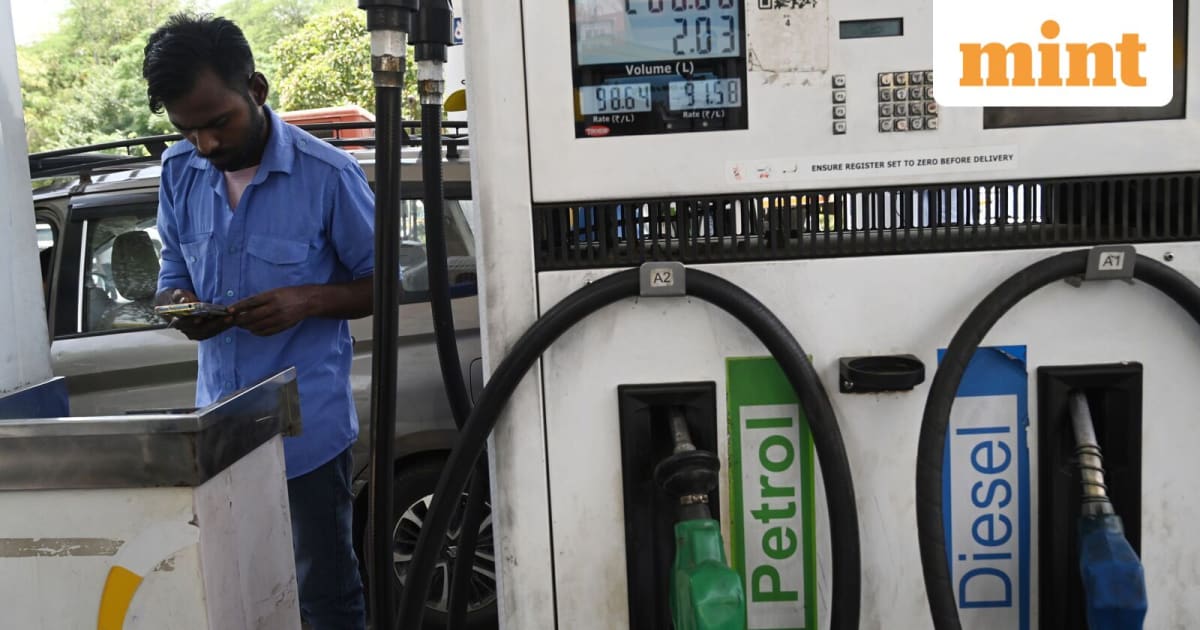
India's fuel pricing policy is currently at a critical impasse. While consumers enjoy stable rates, the underlying margin pressure on Oil Marketing Companies (OMCs) and the broader impact on the logistics and aviation sectors are reaching a breaking point that investors can no longer ignore.
The Price Paradox: Is India's Fuel Stagnation Sustainable?
For the average consumer, the lack of movement in petrol and diesel prices provides a rare sense of predictability in an otherwise volatile global economy. However, beneath this surface-level stability lies a growing structural imbalance. As global crude oil benchmarks continue to fluctuate due to geopolitical tensions and supply-side constraints, India's domestic retail pricing remains anchored, creating a widening chasm between cost-of-production and pump prices.
This decoupling is not merely a policy choice; it is a delicate fiscal balancing act. By absorbing the volatility of international oil prices, the government is effectively shielding the domestic economy from imported inflation. Yet, this protection comes at a cost: the erosion of balance sheets for Oil Marketing Companies (OMCs) and a potential distortion of demand-side signals across the industrial landscape.
Why is the fuel pricing disconnect a systemic risk?
The current energy landscape is characterized by a persistent supply-demand mismatch. When OMCs—the state-run gatekeepers of India’s fuel supply—are forced to maintain price ceilings despite rising crude benchmarks, their gross marketing margins (GMM) take a direct hit. Historically, we saw this dynamic play out in early 2022, when the Nifty Energy index faced significant downward pressure as the market priced in the potential for government-mandated price absorption.
The implications extend far beyond energy firms. Fuel is a primary input for logistics and aviation. When pricing is artificially suppressed, the true cost of transportation is masked, leading to inefficiencies in the supply chain. If a sudden, sharp correction becomes necessary to balance the books, the resulting inflationary shock could dampen consumer discretionary spending, which currently accounts for a significant portion of India’s GDP growth.
Market Impact: The Winners and Losers
The market is currently bifurcated. On one side, we have upstream producers who benefit from high global prices; on the other, downstream OMCs and logistics players are caught in a margin trap.
Stock-by-Stock Breakdown
- IOCL (Indian Oil Corporation): With a massive market cap, IOCL is the most exposed to retail price freezes. Its P/E ratio remains attractive, but the lack of pricing power acts as a ceiling on its valuation. Investors should watch for the recovery in marketing margins as a primary catalyst.
- BPCL (Bharat Petroleum Corporation): BPCL’s exposure to the retail segment makes it highly sensitive to subsidy-related news. Its stock performance is currently tethered to the government’s willingness to allow price hikes versus the political necessity of keeping inflation in check.
- HPCL (Hindustan Petroleum Corporation): Often the most volatile of the 'Big Three' OMCs, HPCL’s earnings are a direct proxy for the state of retail fuel margins. Any deviation from current policy will impact HPCL's bottom line faster than its larger peers.
- ONGC (Oil & Natural Gas Corporation): As an upstream player, ONGC benefits from the current high-price environment. It remains a hedge against the OMCs, as it captures the value of crude production before it enters the refined-product retail chain.
- InterGlobe Aviation (IndiGo): Aviation Turbine Fuel (ATF) prices are a major component of airline operating costs. While stagnant retail prices for petrol/diesel provide a veneer of stability, airlines are still at the mercy of global jet fuel benchmarks, which remain elevated.
Expert Perspective: Bull vs. Bear
The Bull Case: Proponents of the current policy argue that the government has built a robust 'buffer' mechanism. They believe that India's focus on long-term energy security—through increased ethanol blending and investments in green hydrogen—will eventually decouple domestic prices from global crude, rendering the current volatility irrelevant within a 3-5 year horizon.
The Bear Case: Skeptics, including many institutional analysts, point to the historical correlation between fiscal deficits and fuel subsidies. They argue that the longer the delay in passing through global costs, the more violent the eventual adjustment will be. A sudden 5-10% hike in fuel prices would be a 'black swan' event for the Nifty, likely leading to an immediate contraction in consumer-facing stocks.
Actionable Investor Playbook
Investors should adopt a 'barbell' strategy in the energy sector:
- Defensive Positioning: Keep a close watch on OMCs, but maintain a neutral rating. Only enter if there is a clear, data-backed indication of a margin-recovery cycle (e.g., a sustained drop in Brent crude below $75/barrel).
- Upstream Exposure: Increase weightage in upstream players like ONGC and OIL as a hedge against energy inflation. These stocks provide the best protection when crude prices spike.
- Renewable Hedge: Allocate capital toward renewable energy providers. These firms are increasingly decoupled from fossil fuel volatility and represent the structural shift in India’s energy mix.
Risk Matrix
| Risk Factor | Probability | Impact |
|---|---|---|
| Sharp Global Crude Spike | Medium | High |
| Government-Mandated Price Hike | Medium | Medium |
| Fiscal Deficit Expansion | Low | High |
What to watch next?
Investors must monitor the upcoming RBI Monetary Policy Committee (MPC) meetings and the Ministry of Petroleum's monthly data releases. Key catalysts include the announcement of any windfall tax adjustments and updates on global production cuts by OPEC+. A breach of the $90/barrel threshold for Brent crude will likely serve as the definitive signal that the current 'price freeze' is no longer tenable.
Disclaimer: This content is generated by WelthWest Research Desk based on publicly available reports and is for informational purposes only. It does not constitute financial advice, investment recommendations, or an offer to buy or sell securities. Always consult a qualified financial advisor before making investment decisions.


