Key Takeaway
Successive fuel price increases by Indian OMCs, driven by global crude surges and robust domestic demand, are stoking inflation and jeopardizing the Reserve Bank of India's interest rate cut trajectory. Investors must recalibrate portfolios to navigate this inflationary pressure and its cascading effects across sectors.
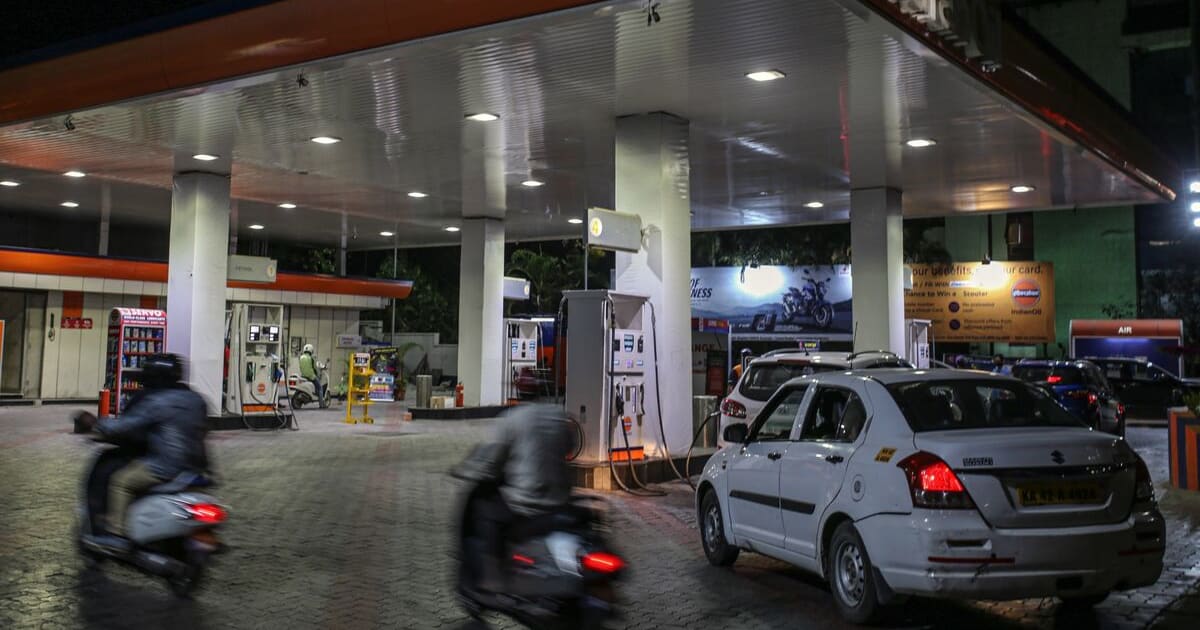
India's state-run Oil Marketing Companies (OMCs) are implementing a series of fuel price hikes, a direct consequence of rising international crude oil prices and strong domestic consumption. This move intensifies inflationary pressures, potentially pushing back anticipated interest rate cuts by the RBI and significantly impacting sectors from logistics to FMCG.
Fuel Price Hikes: India's Inflationary Spiral and the Stock Market Repercussions
Indian Oil Corporation (IOCL), Bharat Petroleum Corporation Limited (BPCL), and Hindustan Petroleum Corporation Limited (HPCL), the nation's dominant state-run Oil Marketing Companies (OMCs), have embarked on a series of fuel price adjustments. This synchronized upward revision of diesel and gasoline prices, occurring with notable frequency, is not an isolated market event but a critical indicator of broader economic headwinds. The immediate catalyst is the persistent surge in global crude oil benchmarks, amplified by geopolitical tensions in the Middle East and robust demand from key consuming nations. However, the domestic context of strong underlying demand in India further underpins these price adjustments, creating a potent cocktail of inflationary pressures that demand investor attention.
Why This Matters Now: The Interplay of Global Crude, Domestic Demand, and RBI Policy
The significance of these successive fuel price hikes extends far beyond the pump. At its core, this phenomenon directly fuels headline inflation. Transportation and logistics costs, which form a substantial component of the Consumer Price Index (CPI), are inextricably linked to fuel prices. As the cost of moving goods escalates, businesses are compelled to pass on these increased expenses to consumers, leading to a broader price acceleration across the economy. This inflationary surge poses a direct challenge to the Reserve Bank of India's (RBI) monetary policy objectives. The central bank has been cautiously optimistic about initiating interest rate cuts, a move keenly awaited by the market to stimulate growth. However, persistent inflation, particularly cost-push inflation driven by energy prices, forces the RBI to maintain a hawkish stance, thereby delaying the much-anticipated easing of monetary policy. This delay can dampen investor sentiment and curb economic expansion.
While these price hikes are essential for OMCs to recoup their margins and manage their operational costs in a volatile crude environment, they come at a significant cost to consumers and businesses. Reduced disposable income for households means less spending on discretionary goods and services. For the manufacturing and Fast-Moving Consumer Goods (FMCG) sectors, higher input costs translate into compressed margins or the necessity to increase product prices, potentially impacting demand. The ripple effect is substantial, creating a complex economic landscape for investors to navigate.
Deep Market Impact Analysis: Connecting Fuel Prices to Indian Stock Market Performance
The repercussions of escalating fuel prices on the Indian stock market are multifaceted and sector-specific. Historically, periods of sustained high crude oil prices have correlated with periods of increased inflation and dampened equity market performance, particularly for consumption-oriented sectors. For instance, during the oil price shock of 2022, the Nifty 50 experienced significant volatility, with growth stocks facing headwinds as interest rate expectations shifted. The current scenario, while distinct in its specific drivers, echoes these concerns.
Sector-Level Breakdown:
- Energy Sector (Positive Bias): The most direct beneficiaries are the OMCs and upstream oil producers. As crude oil prices rise, the refining and marketing margins for companies like IOCL, BPCL, and HPCL, despite their recent price hikes, can see some recovery. For upstream players such as Oil and Natural Gas Corporation (ONGC) and Oil India Limited (OIL), higher crude prices translate directly into increased revenues and profitability, assuming production levels remain stable. Private fuel retailers like Reliance Industries' Jio-bp also benefit from a more favorable pricing environment, though their market share dynamics remain a key factor.
- Logistics and Transportation (Negative Bias): This sector is on the front lines of rising fuel costs. Companies like VRL Logistics and Delhivery, which rely heavily on road freight, will see their operating expenses surge. This directly erodes profit margins unless these costs can be fully passed on to clients, which is often challenging in a competitive market. The increased cost of goods transportation also impacts demand for freight services.
- Automobile Manufacturers (Negative Bias): Higher fuel prices tend to dampen consumer demand for vehicles, especially those with lower fuel efficiency. Maruti Suzuki India Limited, a dominant player in the passenger car segment, could face headwinds as consumers postpone purchases or opt for more fuel-efficient models. The commercial vehicle segment, crucial for logistics, also feels the pinch.
- FMCG Sector (Mixed/Negative Bias): The FMCG sector faces a dual challenge. On one hand, higher transportation costs increase their distribution expenses. On the other, reduced consumer disposable income due to higher fuel and general inflation can lead to slower sales growth, particularly for discretionary FMCG products.
- Aviation Sector (Negative Bias): Aviation Turbine Fuel (ATF) prices are directly linked to crude oil. For airlines like InterGlobe Aviation (IndiGo), rising ATF costs represent a significant portion of their operating expenses. This can lead to increased airfares, potentially impacting passenger traffic, or force airlines to absorb the costs, squeezing profitability.
Stock-by-Stock Breakdown: Navigating the Winners and Losers
The current fuel price dynamic presents a clear bifurcation in market sentiment and stock performance. Investors must carefully assess individual company exposures and their ability to navigate these inflationary pressures.
1. Indian Oil Corporation Ltd (IOCL) - BSE: 500311, NSE: IOC
As a leading PSU OMC, IOCL is directly impacted by crude price fluctuations. While it benefits from the ability to revise retail prices, its profitability is sensitive to the lag between global crude movements and domestic price adjustments, as well as under-recoveries during periods of price freezes. Its large refining capacity provides some hedging. However, the company's extensive retail network means it's also exposed to the demand-side impact of reduced consumer spending. Market Cap: ~₹1.7 Trillion, P/E Ratio: ~10x.
2. Bharat Petroleum Corporation Ltd (BPCL) - BSE: 500020, NSE: BPCL
Similar to IOCL, BPCL's fortunes are tied to crude oil prices and domestic fuel demand. Its refining and marketing operations are central to its revenue. Recent strategic investments in diversification might offer some resilience, but its core business remains exposed. Market Cap: ~₹1.2 Trillion, P/E Ratio: ~9x.
3. Hindustan Petroleum Corporation Ltd (HPCL) - BSE: 500104, NSE: HPCL
HPCL, another major PSU OMC, mirrors the dynamics of IOCL and BPCL. Its operational efficiency and marketing strategies will be crucial in managing margins amidst volatile input costs. Market Cap: ~₹780 Billion, P/E Ratio: ~9x.
4. Reliance Industries Ltd (RIL) - BSE: 500325, NSE: RELIANCE
RIL's integrated refining and petrochemicals business, including its Jio-bp fuel retail venture, positions it uniquely. While its refining margins could benefit from higher crude prices, the retail fuel segment faces similar pricing pressures as OMCs. However, RIL's diversified business model, encompassing telecom and retail, provides significant diversification against sector-specific downturns. Market Cap: ~₹20 Trillion, P/E Ratio: ~28x.
5. VRL Logistics Ltd - NSE: VRLLOGS
As a prominent player in the road logistics sector, VRL Logistics is highly susceptible to fuel price increases. Its profitability is directly linked to the cost of diesel. The company's ability to pass on these costs to its diverse client base will be the primary determinant of its performance. Market Cap: ~₹120 Billion, P/E Ratio: ~35x.
6. Delhivery Ltd - NSE: DELHIVRY
Delhivery, a leading integrated logistics provider, also faces significant cost pressures from rising fuel prices. Its extensive network relies on efficient transportation, making it vulnerable to increased diesel expenses. The company's focus on technology and operational efficiency is key to mitigating these impacts. Market Cap: ~₹300 Billion, P/E Ratio: ~N/A (currently unprofitable but growing).
7. Maruti Suzuki India Ltd - BSE: 537800, NSE: MARUTI
India's largest car manufacturer, Maruti Suzuki, is exposed to a potential slowdown in demand for passenger vehicles. While its focus on fuel-efficient models offers some protection, overall consumer sentiment tied to disposable income and fuel costs can impact sales volumes. Market Cap: ~₹3.5 Trillion, P/E Ratio: ~32x.
8. InterGlobe Aviation Ltd (IndiGo) - BSE: 539284, NSE: INDIGO
IndiGo, a dominant airline, faces substantial cost increases due to higher Aviation Turbine Fuel (ATF) prices. This directly impacts its bottom line, potentially leading to fare hikes that could dampen passenger traffic or force the airline to absorb costs, affecting profitability. Market Cap: ~₹900 Billion, P/E Ratio: ~18x.
Expert Perspective: Bulls vs. Bears on the Fuel Price Outlook
Bulls argue: The price hikes, while inflationary in the short term, are a necessary adjustment for OMCs to maintain financial health and invest in future energy needs. They believe that global crude prices, while volatile, will eventually stabilize, and the RBI, once inflation shows clear signs of moderation, will proceed with rate cuts. Furthermore, India's strong domestic demand and infrastructure development will continue to drive economic growth, making select sectors resilient to these headwinds. They might point to the government's focus on renewable energy as a long-term solution that mitigates future oil price shocks.
Bears counter: The current geopolitical landscape suggests a persistent risk of elevated crude prices, potentially locking India into a prolonged inflationary cycle. This would necessitate a more prolonged period of high interest rates, stifling economic activity and negatively impacting corporate earnings, especially for interest-sensitive sectors. They highlight the vulnerability of the Indian economy to imported energy and the limited fiscal space for the government to cushion the blow. The impact on consumer discretionary spending and the potential for supply chain disruptions due to logistics costs are also key concerns.
Actionable Investor Playbook: Navigating the Inflationary Tide
For investors, the current environment calls for a defensive and selective approach. The overarching sentiment is bearish for the broader market due to inflation and delayed rate cuts, but opportunities exist within specific sectors.
- Buy: Consider OMCs (IOCL, BPCL, HPCL) for their direct benefit from price adjustments, provided they can manage their inventory gains and losses effectively. Upstream oil producers (ONGC, OIL) are also attractive bets on sustained high crude prices. Companies with strong pricing power in essential sectors that are less sensitive to discretionary spending cuts might also offer refuge.
- Sell/Reduce Exposure: Companies heavily reliant on discretionary consumer spending and those with high logistics costs and limited ability to pass them on should be viewed with caution. This includes many consumer durables, auto ancillaries, and pure-play logistics providers. Airlines and companies with significant debt will also be under pressure.
- Watch: Monitor global crude oil prices closely, geopolitical developments in the Middle East, and statements from the RBI regarding inflation and monetary policy. Upcoming inflation data releases (CPI) and manufacturing PMI will be crucial indicators.
- Entry Points: For OMCs, consider accumulating on dips, especially if crude prices show signs of stabilization. For logistics and consumer discretionary, wait for clearer signs of price moderation or improved demand signals.
- Time Horizons: This is a medium-term play. The impact of sustained high fuel prices could linger for several quarters, influencing corporate earnings and market sentiment. A longer-term perspective focusing on companies with strong fundamentals and pricing power is advisable.
Risk Matrix: Quantifying the Headwinds
- Geopolitical Escalation in the Middle East (High Probability): Continued conflicts or new flare-ups could lead to significant and sustained spikes in global crude oil prices, pushing inflation higher and forcing the RBI to maintain a restrictive monetary policy for an extended period.
- Persistent Domestic Demand Inflation (Medium Probability): While external factors are significant, if domestic demand continues to outstrip supply in certain sectors, it could embed inflation further, requiring more aggressive RBI intervention.
- Supply Chain Disruptions (Medium Probability): Beyond logistics costs, any significant disruption in global or domestic supply chains due to geopolitical events or other factors could exacerbate inflationary pressures.
What to Watch Next: Catalysts for Market Movement
Investors should closely monitor the following key events and data releases that will shape the narrative around fuel prices, inflation, and the Indian stock market:
- Global Crude Oil Price Movements: Daily tracking of Brent and WTI benchmarks is essential. Any significant geopolitical announcements from the Middle East will be critical.
- RBI Monetary Policy Committee (MPC) Meetings: Upcoming MPC meetings will provide crucial insights into the central bank's assessment of inflation and its stance on interest rates.
- Indian CPI and WPI Data: Monthly inflation figures will be the primary gauge for the RBI's policy decisions. A sustained breach of the RBI's tolerance band will be a strong signal.
- OMC Earnings Reports: Quarterly results from IOCL, BPCL, and HPCL will reveal their margin performance and their ability to manage costs in the current environment.
- Automobile Sales Data: Monthly sales figures for passenger and commercial vehicles will indicate the impact of fuel prices and inflation on consumer demand.
The current wave of fuel price hikes is more than a seasonal adjustment; it's a significant economic signal. Navigating this period requires a data-driven, sector-aware approach, focusing on resilience and pricing power amidst a challenging inflationary backdrop.
Disclaimer: This content is generated by WelthWest Research Desk based on publicly available reports and is for informational purposes only. It does not constitute financial advice, investment recommendations, or an offer to buy or sell securities. Always consult a qualified financial advisor before making investment decisions.