Key Takeaway
The synchronized global equity rally is acting as a massive tailwind for Indian IT exporters. As developed markets pivot toward AI-led digital transformation, the valuation gap for Nifty IT stocks is set to narrow, provided inflation data remains benign.
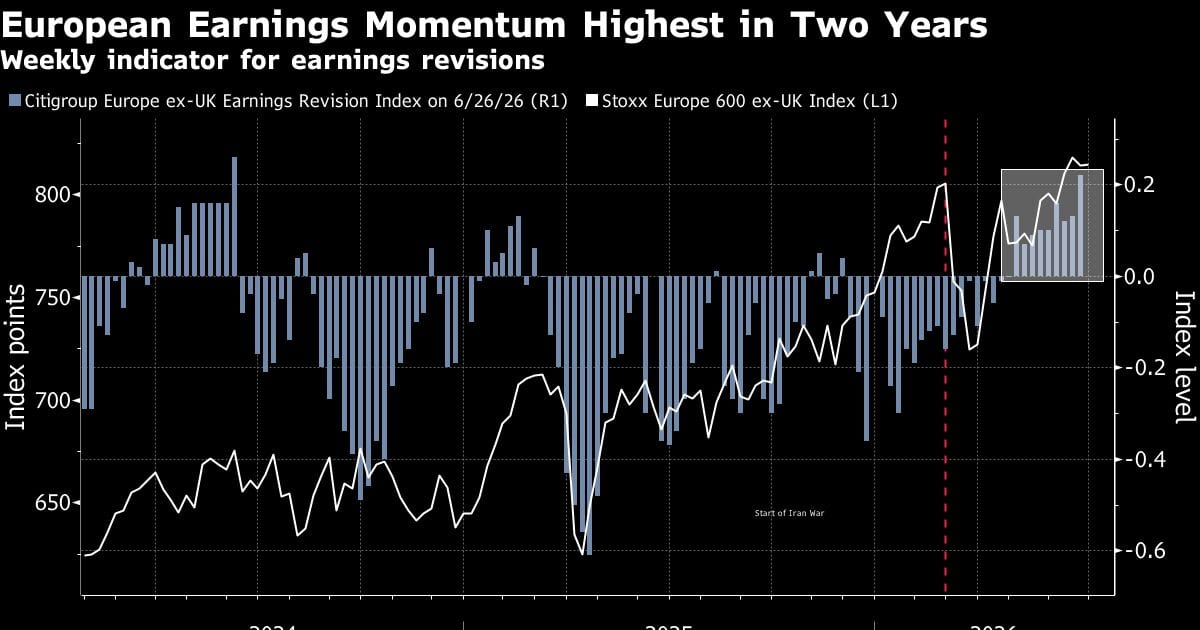
Global markets have capped their most impressive quarter since 2020, fueled by resilient economic data and an unrelenting AI-driven momentum. For Indian investors, this shift signals a rotation out of defensive assets and into high-beta tech plays. We break down how this global liquidity surge translates into tangible upside for the Nifty IT index.
The Great Synchronized Rally: Why Global Markets Are Breaking Records
For the first time since the post-pandemic recovery of 2020, US and European equity markets have moved in lockstep to record-breaking highs. This isn't merely a liquidity-driven bubble; it is a fundamental shift in the global risk-on narrative. Investors have largely pivoted away from the 'recessionary fear' that dominated the previous fiscal year, opting instead to price in a 'soft landing' scenario where productivity gains from Generative AI drive margin expansion.
The significance for the Indian equity market cannot be overstated. When the S&P 500 and the STOXX 600 reach record territory, global institutional liquidity typically tilts toward emerging market growth stories. India, serving as the back-office and digital transformation hub for these very corporations, stands as the primary beneficiary of this capital rotation.
How will the AI-led global rally influence Indian IT services?
The nexus between Silicon Valley’s AI spend and Bangalore’s IT delivery centers is stronger than ever. Historically, when Western enterprises increase their R&D budgets, Indian IT firms see a lag effect of 2-3 quarters in deal pipeline growth. We are currently observing a transition from 'cost-optimization' contracts to 'AI-enablement' contracts.
In 2022, when global tech valuations compressed, the Nifty IT index saw a drawdown of nearly 25% as investors feared a freeze in discretionary spending. Today, the narrative is inverted. With global firms aggressively integrating AI to maintain competitive moats, Indian IT firms are no longer viewed as optional cost-centers, but as essential implementation partners.
Sector-Level Breakdown: Winners vs. Losers
- Winners: IT Services, Global Tech-linked manufacturing, and Financial Services. These sectors are direct conduits for foreign capital inflows.
- Losers: Safe-haven assets like gold and long-duration bonds. Furthermore, defensive sectors like FMCG and Pharma are seeing an exodus of capital as institutional desks rebalance portfolios toward high-growth tech exposure.
Stock-by-Stock Analysis: The Nifty IT Heavyweights
TCS (Tata Consultancy Services): With a market cap exceeding ₹14 lakh crore, TCS remains the defensive play within the IT space. Its focus on 'TCS Cognix' and AI-driven automation makes it a prime candidate to capture enterprise cloud migration demand.
INFY (Infosys): Infosys is currently trading at a P/E ratio that reflects cautious optimism. Its heavy investment in 'Topaz' (their AI-first offering) is beginning to show in deal wins. Watch for revenue growth guidance in the upcoming quarter as a catalyst for a re-rating.
HCLTECH: HCL has successfully pivoted toward product engineering and digital services, making it more sensitive to global tech spending cycles than its peers. It is currently acting as a high-beta proxy for global tech sentiment.
WIPRO & TECHM: These firms are in a turnaround phase. While riskier, they offer significant upside if they can demonstrate successful integration of generative AI into their legacy service delivery models.
Expert Perspective: Are we in a bubble?
"The current rally is supported by earnings growth, not just multiple expansion. Unlike the dot-com era, the AI leaders today are cash-flow machines with deep moats. However, the risk lies in the 'higher-for-longer' interest rate environment, which could punish tech stocks if inflation data prints hot." — Senior Research Analyst, WelthWest Desk
Bulls argue that we are in the early stages of a productivity super-cycle. Bears, conversely, point to the elevated P/E multiples of the Nifty IT index relative to its 5-year average, warning that any delay in Fed rate cuts could trigger a sharp 10-15% correction.
Actionable Investor Playbook
For investors looking to navigate this volatility, we suggest a 'Barbell Strategy':
- Core Holding: Maintain a 60% exposure to large-cap IT (TCS, INFY) which offer dividend stability and strong balance sheets.
- Tactical Rotation: Allocate 20% to mid-cap IT and tech-manufacturing stocks that show high operating leverage to AI-led demand.
- Cash Reserve: Keep 20% in liquid funds to deploy during inevitable pullbacks triggered by macroeconomic news flow.
Risk Matrix: Assessing the Downside
| Risk Factor | Probability | Impact |
|---|---|---|
| Persistent Inflation | Moderate | High |
| Geopolitical Supply Chain Disruption | Low | Very High |
| Central Bank Policy Error | Moderate | High |
What to watch next: Catalysts that will move the needle
Investors must monitor the upcoming US CPI prints and the RBI Monetary Policy Committee (MPC) meeting minutes. Any hawkish surprise from either will likely lead to an immediate rotation away from growth-oriented IT stocks. Additionally, keep a close eye on the Q1 earnings transcripts of US cloud hyperscalers (AWS, Azure, Google Cloud); their capital expenditure guidance is the single most reliable leading indicator for Indian IT revenue growth.
Disclaimer: This content is generated by WelthWest Research Desk based on publicly available reports and is for informational purposes only. It does not constitute financial advice, investment recommendations, or an offer to buy or sell securities. Always consult a qualified financial advisor before making investment decisions.


