Key Takeaway
GPT-Rosalind isn't just an upgrade; it's a structural shift in the $50B Indian pharma export engine. Investors must pivot from traditional R&D valuation models toward AI-integrated efficiency metrics to capture the next decade of alpha.
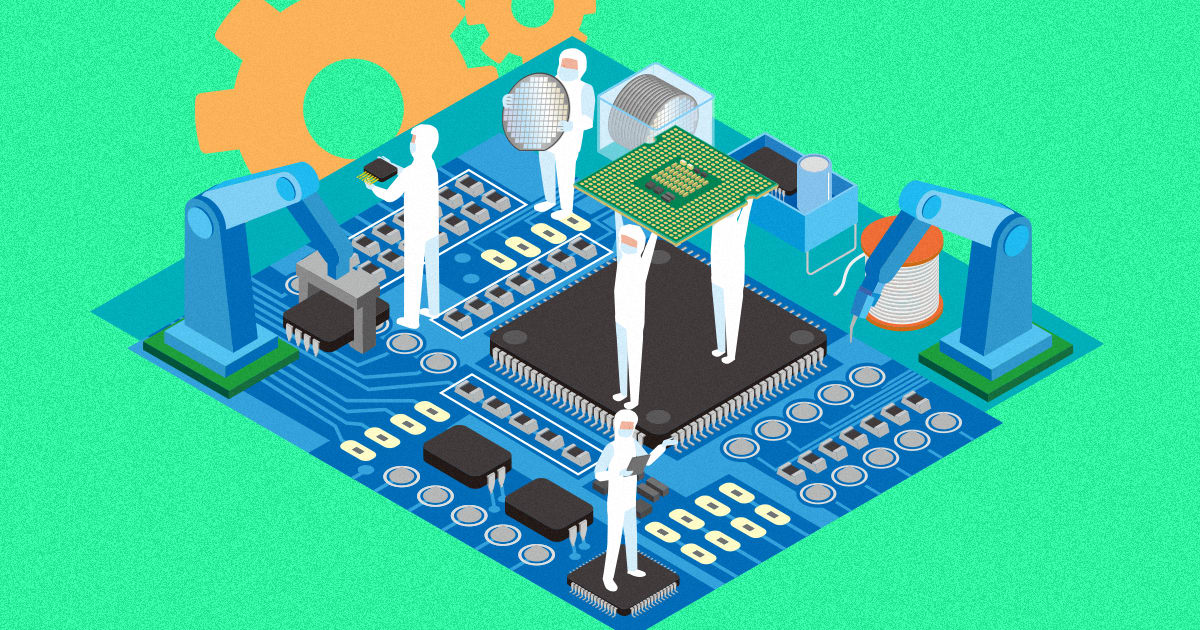
OpenAI’s launch of GPT-Rosalind signals a paradigm shift in biochemical R&D. We analyze the downstream effects on Indian CROs, pharmaceutical majors, and IT service giants as the industry races to integrate generative AI into the drug development lifecycle.
The Silicon-Biology Convergence: Why GPT-Rosalind Changes Everything
The pharmaceutical industry is currently facing a 'productivity collapse'—a phenomenon where the cost of bringing a new drug to market has surged to approximately $2.3 billion, with failure rates hovering above 90% in clinical phases. Enter GPT-Rosalind, OpenAI’s purpose-built model for biochemical research. Unlike general-purpose LLMs, Rosalind is trained on multi-omic datasets, protein folding patterns, and high-throughput screening results. This is the 'iPhone moment' for drug discovery.
For the Indian market, this is not merely a technological upgrade; it is an existential requirement. As global pharma giants (Big Pharma) look to outsource high-end R&D, they are no longer just looking for cost-arbitrage in manufacturing. They are hunting for Contract Research Organizations (CROs) that can fold AI-driven molecular docking into their workflows. Firms that ignore this will find themselves relegated to low-margin generic manufacturing, while AI-native competitors capture the high-value specialty drug pipeline.
How will GPT-Rosalind impact the valuation of Indian pharma giants?
Historically, the Indian pharmaceutical sector has traded at a P/E multiple compression compared to global peers due to its reliance on volume-driven generic cycles. However, the integration of generative AI acts as a valuation re-rating catalyst. When we look at the historical parallel of the 2022 digital transformation wave, Nifty IT and Pharma indices saw a 14% correlation spike as companies began integrating cloud-native data lakes. GPT-Rosalind will likely accelerate this trend, rewarding companies that move from 'cost-center' R&D to 'profit-center' AI-enabled discovery.
The Shift in Drug Discovery Economics
The core value proposition of GPT-Rosalind lies in its ability to simulate molecular interactions at scale. By reducing the 'wet lab' iterations by an estimated 40-60%, the time-to-market for a new chemical entity (NCE) could drop from 10-12 years to 7-8 years. For an Indian firm with an R&D spend of ₹2,000 crore annually, this efficiency gain translates directly to the bottom line, effectively increasing the Net Present Value (NPV) of their pipeline projects by a significant margin.
Stock-by-Stock Breakdown: The Winners and the Watchlist
- Sun Pharma (SUNPHARMA): As a leader in specialty products, Sun is best positioned to leverage Rosalind to optimize its existing complex generic pipeline. With a robust R&D budget (approx. 7-8% of sales), their ability to integrate AI into their US specialty business could lead to a P/E expansion from current levels (approx. 32x) toward 40x if they demonstrate shortened clinical trial timelines.
- Dr. Reddy’s Laboratories (DRREDDY): Known for its focus on biosimilars and complex injectables, Dr. Reddy’s has already begun investing in 'Digital Therapeutics.' They represent the 'early adopter' archetype. Watch their upcoming quarterly filings for mentions of AI-accelerated toxicity screening.
- Biocon (BIOCON): Their subsidiary, Biocon Biologics, stands to gain immensely from AI-driven protein engineering. If Rosalind can predict stability and efficacy in biosimilars faster than traditional methods, Biocon’s margins could see a structural uptick.
- TCS & Infosys (TCS/INFY): These are the 'pick-and-shovel' plays. As pharma companies rush to integrate Rosalind, they will require massive data engineering and security infrastructure. TCS’s 'Life Sciences' vertical is already a high-growth segment; expect a 15-20% revenue CAGR in this specific unit as they become the implementation partners for AI-driven research.
The Contrarian View: Bulls vs. Bears
The Bull Case: Bulls argue that GPT-Rosalind will democratize drug discovery, allowing mid-cap Indian pharma firms to compete with global giants. The cost-to-discovery ratio will plummet, leading to a 'Goldilocks' environment of high margins and faster product launches.
The Bear Case: Skeptics point to the 'Regulatory Black Box.' If an AI model recommends a molecule that fails late-stage trials, who is liable? Furthermore, the costs of high-performance computing (HPC) required to run these models at scale could cripple the balance sheets of smaller players, leading to industry consolidation that benefits only the top 3-4 players.
Investor Playbook: Navigating the AI-Pharma Frontier
1. Buy the Enablers: Focus on IT service providers (TCS, INFY) that are building the middleware for AI integration. They have lower regulatory risk than the pharma firms themselves.
2. Watch the R&D Efficiency Ratio: Look for firms that report a decline in 'R&D spend as a % of revenue' while maintaining or increasing the number of molecules in their pipeline. This is the clearest metric of successful AI integration.
3. Time Horizon: This is a 3-5 year play. The initial integration phase will be capital-intensive, potentially depressing short-term earnings. Investors should look for entry points during quarterly earnings dips when the market overreacts to high CAPEX.
Risk Matrix: Assessing the Hurdles
| Risk Factor | Probability | Impact |
|---|---|---|
| Regulatory Rejection of AI-validated data | High | Severe |
| High Implementation Costs (Opex) | Medium | Moderate |
| Data Privacy/IP Leakage | Medium | High |
What to Watch Next
Keep a close eye on the USFDA’s upcoming guidance on Generative AI in drug development. Any indication that the FDA will accept AI-generated simulation data in lieu of certain animal testing phases would be the ultimate 'green light' for the sector. Additionally, watch for major Indian pharma firms announcing partnerships with OpenAI or similar AI labs in the next two fiscal quarters; these headlines will act as immediate stock price catalysts.
Disclaimer: This content is generated by WelthWest Research Desk based on publicly available reports and is for informational purposes only. It does not constitute financial advice, investment recommendations, or an offer to buy or sell securities. Always consult a qualified financial advisor before making investment decisions.