Key Takeaway
The Hormuz breakthrough is a structural tailwind for India’s current account deficit. Investors should pivot from upstream energy to high-margin downstream sectors before the market fully prices in the margin expansion.
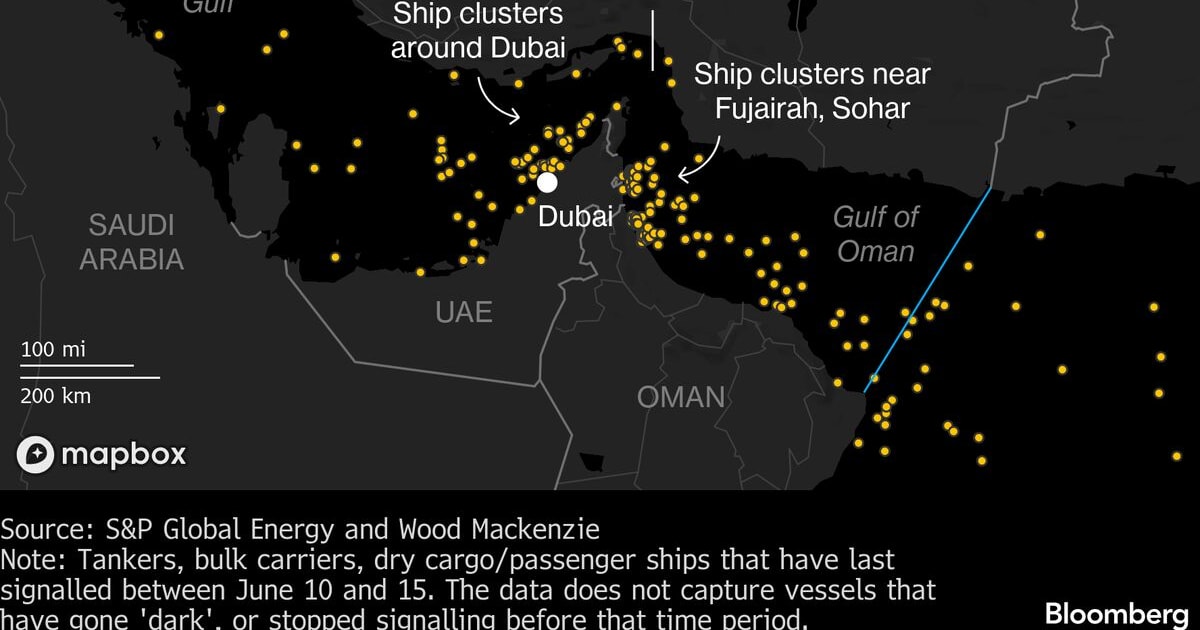
A major diplomatic breakthrough in the Strait of Hormuz has triggered a global oil sell-off. We analyze how this shift in the energy landscape will lower India's import bill, boost the Rupee, and drive a sector-wide re-rating in Indian equities.
The Hormuz Pivot: Why Global Energy Markets Are Re-Pricing
The geopolitical risk premium that has anchored crude oil prices above $80/barrel for much of the fiscal year is evaporating. The recent US-Iran Hormuz diplomatic breakthrough marks a paradigm shift in energy security. For a nation like India—which imports over 85% of its crude requirements—this isn't just a headline; it is a fundamental macroeconomic catalyst.
When oil prices drop, India experiences a dual-benefit: a narrowing of the Current Account Deficit (CAD) and an immediate easing of imported inflationary pressures. Historically, whenever Brent crude sustains a decline of 10% or more, the Nifty 50 has shown a strong positive correlation, particularly in sectors where energy is a primary input cost. We are currently witnessing a scenario where the 'oil tax' on the Indian economy is being slashed, setting the stage for a significant expansion in corporate profitability.
How will the oil price crash impact Indian stock market valuations?
The impact is bifurcated between 'Oil-Sensitive' and 'Oil-Neutral' sectors. For companies like Asian Paints (NSE: ASIANPAINT), crude derivatives like monomers and solvents represent a massive portion of the Cost of Goods Sold (COGS). A sustained dip in oil prices acts as a direct tailwind to EBITDA margins, often resulting in multiple expansion as analysts upgrade earnings forecasts.
Conversely, upstream giants like ONGC (NSE: ONGC) face a contraction in net realization per barrel. While these companies are essential for energy security, their stock performance is inversely correlated to global price movements. Investors must understand that we are transitioning from an era of 'cost-push' inflation to 'margin-expansion' growth.
Sector-by-Sector: Winners and Losers
The Downstream Winners
- OMCs (BPCL, HPCL, IOC): These companies stand to see the most immediate impact. Lower crude costs allow for better marketing margins, as the lag in passing on price cuts to consumers provides a temporary but significant windfall in profitability.
- Aviation (InterGlobe Aviation/Indigo): ATF (Aviation Turbine Fuel) accounts for nearly 40% of an airline's operating cost. With oil trending lower, Indigo’s P/E ratio, which often fluctuates based on fuel volatility, is likely to see a compression as earnings forecasts are revised upward.
- Paint & Specialty Chemicals: Companies like Berger Paints (NSE: BERGEPAINT) are high-beta plays on raw material costs. As crude-linked inputs deflate, these firms see immediate margin accretion.
The Upstream & Renewable Headwinds
Upstream explorers like Oil India (NSE: OIL) and ONGC will see their 'net realization' tighten. Furthermore, the renewable energy sector may face a relative valuation challenge; when fossil fuel prices are high, the 'Green Premium' looks attractive. When oil is cheap, the urgency for transition projects can sometimes face capital allocation headwinds.
Stock-by-Stock Breakdown
1. BPCL (NSE: BPCL): With a market cap of ~₹1.3 lakh crore, BPCL is our primary pick for a margin-expansion play. As crude prices stabilize at lower levels, their refining margins (GRMs) are expected to beat consensus estimates.
2. InterGlobe Aviation (NSE: INDIGO): As the dominant player in the Indian skies, any sustained drop in ATF prices translates directly to the bottom line. Watch for a breakout in their operating margins in the upcoming quarterly results.
3. ONGC (NSE: ONGC): While the outlook is bearish, ONGC’s dividend yield remains a defensive moat. However, capital appreciation is limited in a low-oil-price environment.
Expert Perspective: The Bull vs. Bear Debate
The Bulls argue that this is a 'Goldilocks' scenario for India: lower inflation, lower interest rates, and higher corporate earnings. The Bears, however, point to the fragility of the Hormuz deal—if OPEC+ announces aggressive production cuts to defend a $75 floor, the rally in downstream stocks could be short-lived.
Actionable Investor Playbook
Buy/Accumulate: Focus on downstream OMCs and Paints during brief pullbacks. These sectors have a high correlation with the 'Oil-Down' trade.
Reduce/Avoid: Trim exposure to upstream energy service providers and oil-rig equipment suppliers who may see reduced capex from major oil companies.
Time Horizon: This is a 6-12 month trade. Monitor the Rupee-USD pair; a strengthening INR will further catalyze foreign institutional inflows into these sectors.
Risk Matrix
| Risk Factor | Probability | Impact |
|---|---|---|
| OPEC+ Retaliatory Cuts | Medium | High |
| Geopolitical Instability (Hormuz) | High | Very High |
| Global Recession (Demand Destruction) | Low | High |
What to watch next?
Keep a close eye on the next OPEC+ Ministerial Meeting. Any signal of production quotas will be the primary catalyst for a trend reversal. Additionally, monitor India’s Trade Balance data; a narrowing deficit will likely be the first indicator that the 'Hormuz Effect' is filtering through to the macro economy.
Disclaimer: This content is generated by WelthWest Research Desk based on publicly available reports and is for informational purposes only. It does not constitute financial advice, investment recommendations, or an offer to buy or sell securities. Always consult a qualified financial advisor before making investment decisions.


