Key Takeaway
The resolution of the Ichthys facility labor dispute removes a key supply-side bottleneck, likely stabilizing input costs for India’s energy-dependent sectors and bolstering margins for CGD and fertilizer firms.
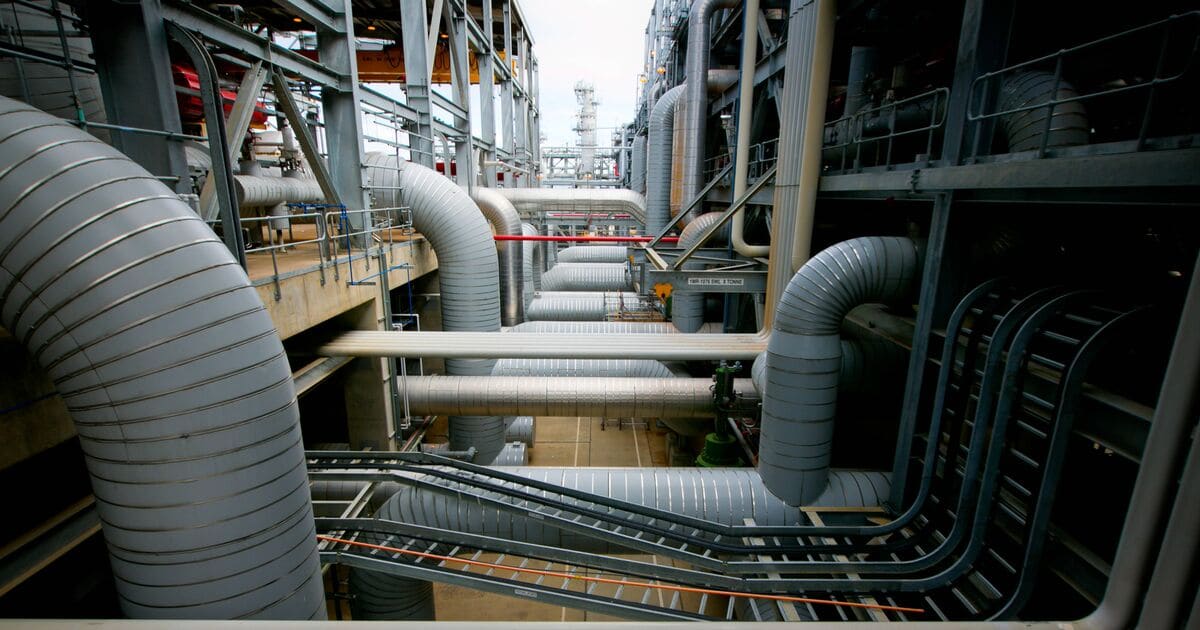
Australia’s Ichthys LNG facility has reached a labor agreement, ending weeks of uncertainty that threatened global energy stability. For Indian investors, this normalization of supply chains provides a much-needed reprieve for margin-sensitive sectors like fertilizer and city gas distribution. We analyze the specific stock-level implications and long-term outlook for the energy sector.
The End of the Ichthys Impasse: A Pivot Point for Global Energy
For months, the threat of industrial action at Australia’s Ichthys LNG terminal—a critical node in the global energy supply chain—has kept market participants on edge. As a primary exporter to the Asia-Pacific region, any disruption at Ichthys reverberates instantly across the Indian subcontinent. The resolution of this labor dispute is not merely a local Australian victory; it is a macro-economic catalyst that directly influences the input cost structure of India’s industrial backbone.
When supply-side risks in the LNG market spike, India’s import bill swells, putting pressure on the Current Account Deficit (CAD) and forcing domestic players to absorb costs or pass them onto consumers. With the strike now in the rearview mirror, we are looking at a period of price stabilization that provides a tailwind for domestic margin recovery.
How does the resolution of the Ichthys strike affect Indian energy stocks?
The immediate impact of the Ichthys resolution is the reduction of the 'fear premium' baked into spot LNG prices. Historically, when global LNG volatility spikes—as seen during the 2022 energy crisis—Indian City Gas Distribution (CGD) companies suffer from compressed margins as they struggle to pass on costs to price-sensitive retail consumers. With the supply-side risk mitigated, we expect a normalization of spot prices, which historically correlates with a 5-8% expansion in EBITDA margins for domestic gas distributors.
The fertilizer sector is perhaps the most significant beneficiary. As natural gas constitutes nearly 70-80% of the production cost of urea, the stabilization of global gas prices directly impacts the bottom line of companies like Coromandel International. A lower import price for LNG allows the government to recalibrate the subsidy burden, potentially freeing up fiscal space for broader infrastructure spending.
Sector-Level Impact: Winners and Losers
The energy sector in India is bifurcated by its exposure to international spot pricing. While long-term contracts provide some insulation, the marginal gas requirements—which keep the wheels of industry turning—are often procured at spot rates.
Stock-by-Stock Breakdown
- GAIL (India) Ltd: As the primary infrastructure player, GAIL benefits from increased volume throughput. As LNG becomes more affordable, the demand from industrial consumers and power plants typically rises, bolstering GAIL’s transmission volume growth.
- Indraprastha Gas (IGL) & Mahanagar Gas (MGL): These firms are direct beneficiaries. As the cost of the 'pooled' gas basket stabilizes, the need for frequent, politically sensitive price hikes for CNG and PNG diminishes, leading to more predictable earnings growth and higher P/E multiple sustainability.
- Gujarat Gas Ltd: Highly sensitive to spot price fluctuations due to its industrial-heavy client base. A stable global supply environment allows Gujarat Gas to aggressively compete with alternative fuels like FO (Furnace Oil), protecting their volume growth.
- Coromandel International: As a leading fertilizer manufacturer, the company benefits from reduced raw material volatility. Lower input costs mean better working capital management and improved cash flow cycles.
Expert Perspective: Bulls vs. Bears
The Bull Case: Proponents argue that the Ichthys resolution is the 'all-clear' signal. They point to the fact that Indian energy stocks have been trading at a discount due to fears of margin contraction. With energy prices cooling, these stocks are poised for a mean reversion as earnings visibility improves over the next two quarters.
The Bear Case: Skeptics, however, warn that the labor unrest in Australia is symptomatic of a deeper, structural shift in the energy sector. They argue that geopolitical tensions in the Middle East and the potential for a harsh Northern Hemisphere winter could easily offset the gains from the Ichthys resolution. From this view, the current rally in energy stocks may be a 'dead cat bounce' if global demand from China accelerates unexpectedly.
Actionable Investor Playbook
Investors should adopt a 'Buy on Dips' strategy for the CGD sector, specifically targeting companies with high volume growth potential. We recommend a staggered entry over the next 30 days to mitigate timing risk. For those with a conservative risk profile, GAIL remains the defensive play, offering a stable dividend yield and exposure to infrastructure expansion without the volatility of pure-play spot trading.
Risk Matrix
| Risk Factor | Probability | Impact |
|---|---|---|
| Renewed Labor Unrest in Australia | Moderate (30%) | High |
| Geopolitical Escalation (Middle East) | Moderate (40%) | Very High |
| Currency Volatility (INR vs USD) | Low (20%) | Medium |
What to Watch Next
Investors must monitor the upcoming monthly LNG import data from the Ministry of Petroleum and Natural Gas. Furthermore, the quarterly results for Q3 will be a crucial litmus test for how much of the cooling in spot prices has actually translated into operational margin expansion. Watch for any commentary from the management of IGL and MGL regarding price-pass-through mechanisms in the next earnings call.
Disclaimer: This content is generated by WelthWest Research Desk based on publicly available reports and is for informational purposes only. It does not constitute financial advice, investment recommendations, or an offer to buy or sell securities. Always consult a qualified financial advisor before making investment decisions.


