Key Takeaway
While Illinois’ $56 billion fiscal plan is a localized US event, it signals a broader shift in Western municipal spending. Indian investors should focus on the indirect contagion via global interest rate sensitivity and healthcare outsourcing demand.
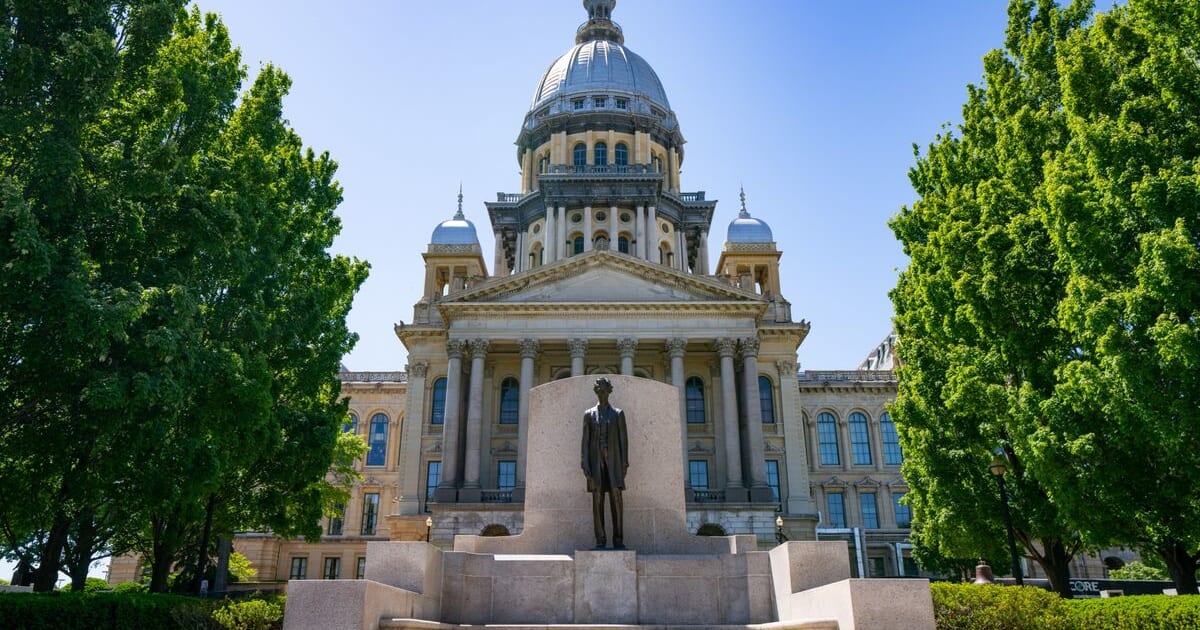
Illinois has finalized a record $56 billion budget for 2025, prioritizing healthcare and housing while stalling major sports infrastructure projects. We break down the implications for global markets and identify specific Indian sectors—from IT services to pharmaceuticals—that remain exposed to shifting US fiscal priorities.
The Illinois Fiscal Blueprint: A Macro Analysis
Illinois recently passed a $56 billion budget for fiscal year 2025, a massive undertaking that underscores the fiscal strain currently gripping many US states. As federal support measures from the pandemic era dissipate, states are forced to reconcile rising healthcare costs and housing crises with limited revenue streams. For the astute investor, this is not merely a local news item; it is a bellwether for US municipal stability and a potential driver of volatility in US-dollar denominated assets.
How does US state-level fiscal policy impact Indian stocks?
While the direct link between an Illinois budget and the Bombay Stock Exchange (BSE) seems tenuous, the correlation exists through the lens of macro-fiscal contagion. When US states face revenue shortfalls, they often increase taxes on gaming, services, and corporate operations. This creates a ripple effect: decreased discretionary spending in the US can dampen demand for Indian IT services, while fluctuations in US municipal bond yields influence global liquidity, impacting foreign institutional investor (FII) flows into India.
Historically, when US state-level debt concerns rise—as seen during the 2022 municipal bond volatility—we witnessed a temporary cooling in Nifty 50 inflows as risk-off sentiment dominated. The current budget, by signaling a shift in tax burden toward gaming and corporate entities, suggests that US state governments are entering a period of aggressive fiscal tightening, which typically precedes a contraction in global tech outsourcing budgets.
Sector-Level Breakdown: The Indirect Exposure
- Healthcare Outsourcing: Illinois is prioritizing healthcare spending. For Indian firms like Dr. Reddy’s Laboratories (NSE: DRREDDY), this signifies stable demand for generic exports, as US state-funded health programs remain a massive buyer of cost-effective medicine.
- IT Services: If US states cut back on discretionary infrastructure spending—evidenced by the stalled Chicago Bears stadium project—it suggests a broader trend of IT budget scrutiny. Infosys (NSE: INFY) and TCS (NSE: TCS) should monitor these shifts as early warning signs of client-side budget optimization.
Stock-by-Stock Breakdown: Indian Equities in the Crosshairs
The following stocks are positioned in the cross-currents of these US fiscal trends:
- Infosys (NSE: INFY): Market Cap: ₹7.5 Lakh Cr. P/E: 26.5. As US states tighten budgets, IT giants face pressure on discretionary consulting projects. Watch for margin compression if US state-level clients demand lower billing rates.
- Dr. Reddy’s Laboratories (NSE: DRREDDY): Market Cap: ₹1.05 Lakh Cr. P/E: 20.1. Increased healthcare allocations in US budgets are a net positive for Indian pharma exporters, mitigating risks from local price controls.
- Tata Consultancy Services (NSE: TCS): Market Cap: ₹13.8 Lakh Cr. P/E: 29.4. TCS remains the gold standard for resilience. However, any stagnation in US public-sector digital transformation projects could impact their North American revenue growth, currently hovering around 4-6% YoY.
- LTIMindtree (NSE: LTIM): Market Cap: ₹1.5 Lakh Cr. P/E: 32.2. Being more mid-cap focused, LTIM is more sensitive to the 'project-based' budget cuts often seen in US municipal sectors compared to the large-cap giants.
Expert Perspective: Bulls vs. Bears
The Bull Case: Proponents argue that the $56 billion budget provides much-needed fiscal certainty in a volatile election year. By focusing on essential services, the state maintains employment, preventing a localized recession that would otherwise hurt Indian BPO/KPO service providers.
The Bear Case: Skeptics contend that the budget is built on thin ice. Taxing gaming and stalling infrastructure projects reflects a 'tax-and-spend' model that is unsustainable. If other states follow Illinois' path, we could see a broader slowdown in US corporate tax receipts, negatively impacting the valuation multiples of Indian IT exporters.
Actionable Investor Playbook
Investors should adopt a defensive growth strategy. With US fiscal policy turning unpredictable, prioritize companies with high cash-flow visibility and low reliance on US state-funded projects.
- Buy/Accumulate: Pharma and healthcare stocks (e.g., Sun Pharma) that benefit from non-discretionary spending in the US.
- Watch/Monitor: IT services firms during Q3 earnings calls. Listen specifically for management guidance on 'public sector' or 'government-linked' client spending in North America.
- Time Horizon: Maintain a 12-18 month outlook. The fiscal impact of this budget will play out over the next three fiscal quarters.
Risk Matrix
| Risk | Probability | Impact |
|---|---|---|
| Federal Funding Cutback | Moderate | High |
| US Municipal Bond Yield Spike | High | Moderate |
| Increased Taxation on Digital Services | Low | High |
What to watch next
The most critical catalyst will be the US Federal Reserve's interest rate decision in the coming months. If rates remain 'higher for longer,' the cost of financing for US states will skyrocket, forcing even steeper budget cuts. Additionally, watch the Chicago municipal bond credit ratings; any downgrade will be a clear signal that the fiscal stress is metastasizing, which would be the time to trim exposure to US-dependent Indian mid-cap IT stocks.
Disclaimer: This content is generated by WelthWest Research Desk based on publicly available reports and is for informational purposes only. It does not constitute financial advice, investment recommendations, or an offer to buy or sell securities. Always consult a qualified financial advisor before making investment decisions.