Key Takeaway
The Indo-Dutch alignment is more than a diplomatic handshake; it is a structural shift in supply chain architecture. Investors should pivot toward high-tech manufacturing and green infrastructure as the EU-India FTA framework begins to de-risk global trade flows.
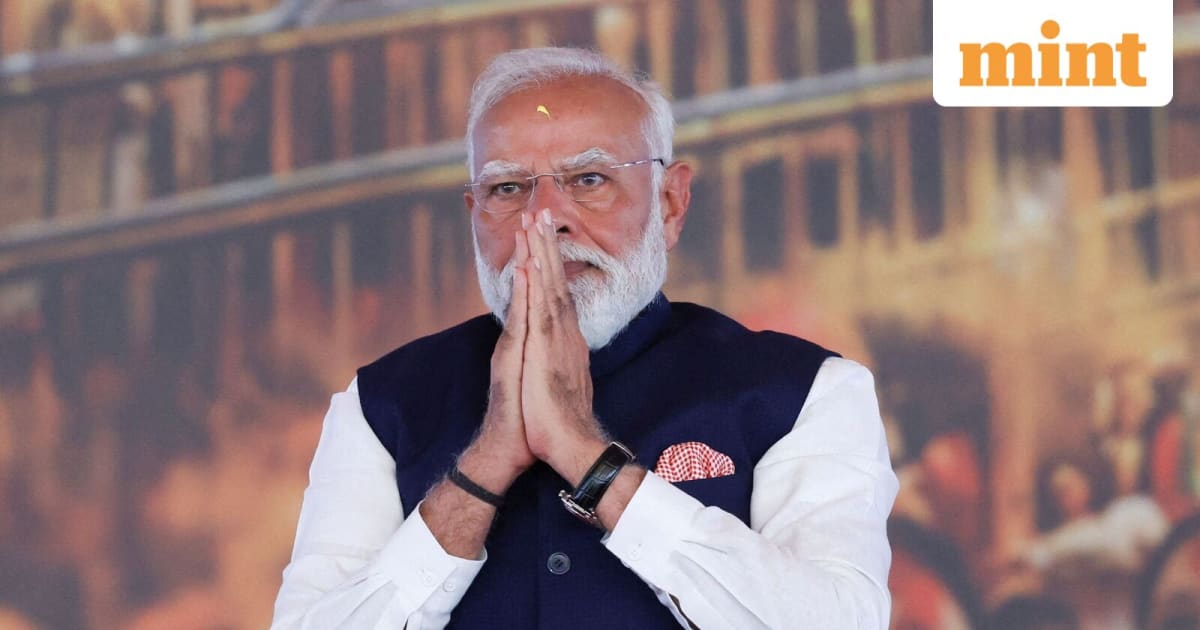
Prime Minister Modi’s visit to the Netherlands signals a pivotal alignment in semiconductor and green energy tech. We analyze the long-term impact on the Indian manufacturing sector, the potential for FDI inflows, and which specific NSE-listed firms are positioned to dominate this new trade corridor.
The New Trade Corridor: Unpacking the Indo-Dutch Strategic Pivot
In a move that promises to redefine the trajectory of India's industrial evolution, Prime Minister Narendra Modi’s visit to the Netherlands marks a critical juncture in the broader India-EU trade narrative. While the headlines focus on diplomatic camaraderie, the underlying financial reality is a deliberate, state-backed push to integrate India into the European semiconductor and clean energy value chains. For the savvy investor, this represents a structural shift: the transition of India from a regional manufacturing hub to a sophisticated technology partner for the European Union.
Why does the India-Netherlands deal matter for your portfolio?
The Netherlands serves as the gateway to the EU, hosting the critical semiconductor infrastructure that drives the global digital economy. By deepening ties, India is not merely seeking trade; it is seeking technology sovereignty. The 'Make in India' initiative, previously reliant on domestic consumption, is now being recalibrated for export-oriented growth. As EU firms seek to diversify away from over-reliance on East Asian supply chains, the India-Netherlands axis provides the necessary regulatory and technical bridge to facilitate this migration.
The Semiconductor and Clean Energy Nexus
The focus on semiconductor manufacturing and green hydrogen is no accident. With the EU’s aggressive decarbonization mandates and the global chip shortage forcing a rethink of logistics, the India-Netherlands collaboration is designed to lower the 'cost of trust' between the two regions. We anticipate that this partnership will catalyze a significant uptick in European Foreign Direct Investment (FDI), mirroring the FDI surge witnessed in 2022 when India-EU trade relations saw a 15% YoY increase in capital expenditure.
Stock-by-Stock Breakdown: Who wins in the new trade order?
We have identified four key NSE-listed companies that are structurally positioned to benefit from this cross-border technology transfer:
- TATAELXSI (TATAELXSI): As a leader in design and embedded systems, Tata Elxsi is the primary beneficiary of the EU’s demand for autonomous and EV-related software. With a P/E ratio currently hovering around 65x, the market is pricing in high growth, but the Dutch partnership could provide the necessary tailwind for sustained margin expansion.
- LT (Larsen & Toubro): L&T is the backbone of India’s infrastructure. Their focus on high-tech manufacturing and green hydrogen plants aligns perfectly with Dutch expertise in water management and sustainable urban development. L&T’s order book, currently north of ₹4.5 lakh crore, is set to benefit from a new wave of European-funded industrial projects.
- VAWATECH (VA Tech Wabag): Water management is a core Dutch competency. As India upgrades its urban infrastructure, VAWATECH’s technological collaboration with European firms provides a massive competitive moat. The stock has shown resilience, and increased EU-backed contracts could act as a re-rating catalyst.
- SUZLON (SUZLON) & TATAPOWER (TATAPOWER): Both firms are central to the decarbonization goals. The Netherlands’ expertise in offshore wind technology creates a direct pipeline for these players to upgrade their existing infrastructure through technical joint ventures.
Expert Perspective: Bull Case vs. Bear Case
The divergence in market sentiment is stark. Bulls argue that this deal effectively 'de-risks' India from global volatility by anchoring it to the Eurozone’s stable industrial growth. Bears, however, point to the glacial pace of the EU-India FTA negotiations, noting that bureaucratic friction could delay implementation by 24 to 36 months.
The contrarian view is that investors are underestimating the impact of the Carbon Border Adjustment Mechanism (CBAM). While this poses a risk to traditional exporters, it acts as a massive barrier to entry for smaller, less efficient firms, effectively consolidating market share for the large-cap, high-compliance players mentioned above.
Actionable Investor Playbook
For investors looking to capitalize on this theme, we suggest a three-pronged approach:
- Accumulate on Dips: Focus on companies with high R&D spend as a percentage of revenue, specifically in the tech-manufacturing space (e.g., KPITTECH).
- Watch the FTA Progress: The official signing of the India-EU Free Trade Agreement is the primary catalyst. Any positive news from the ministerial meetings in Brussels should be treated as a buy signal for export-oriented manufacturing.
- Monitor Regulatory Friction: Keep a close eye on EU environmental compliance reports. Companies that have already transitioned to green energy production will outperform as CBAM standards tighten.
Risk Matrix
| Risk Factor | Probability | Impact |
|---|---|---|
| Slow FTA Negotiations | High | Medium |
| CBAM Compliance Costs | Medium | High |
| Currency Volatility (INR/EUR) | Medium | Low |
What to watch next?
Investors should look for the upcoming India-EU Trade and Technology Council (TTC) meeting in the next quarter. This will be the definitive forum where specific technology transfer agreements are signed. Furthermore, monitor the next quarterly earnings call for L&T and TATAELXSI for any mention of new European joint ventures or cross-border contract wins. These data points will validate the thesis that the India-Netherlands corridor is not just a diplomatic gesture, but a transformative economic bridge.
Disclaimer: This content is generated by WelthWest Research Desk based on publicly available reports and is for informational purposes only. It does not constitute financial advice, investment recommendations, or an offer to buy or sell securities. Always consult a qualified financial advisor before making investment decisions.