Key Takeaway
These high-stakes trade negotiations act as a binary catalyst for India's export-oriented manufacturing sector. Success will trigger a valuation rerating for steel and textile giants, while failure risks margin compression due to persistent protectionist barriers.
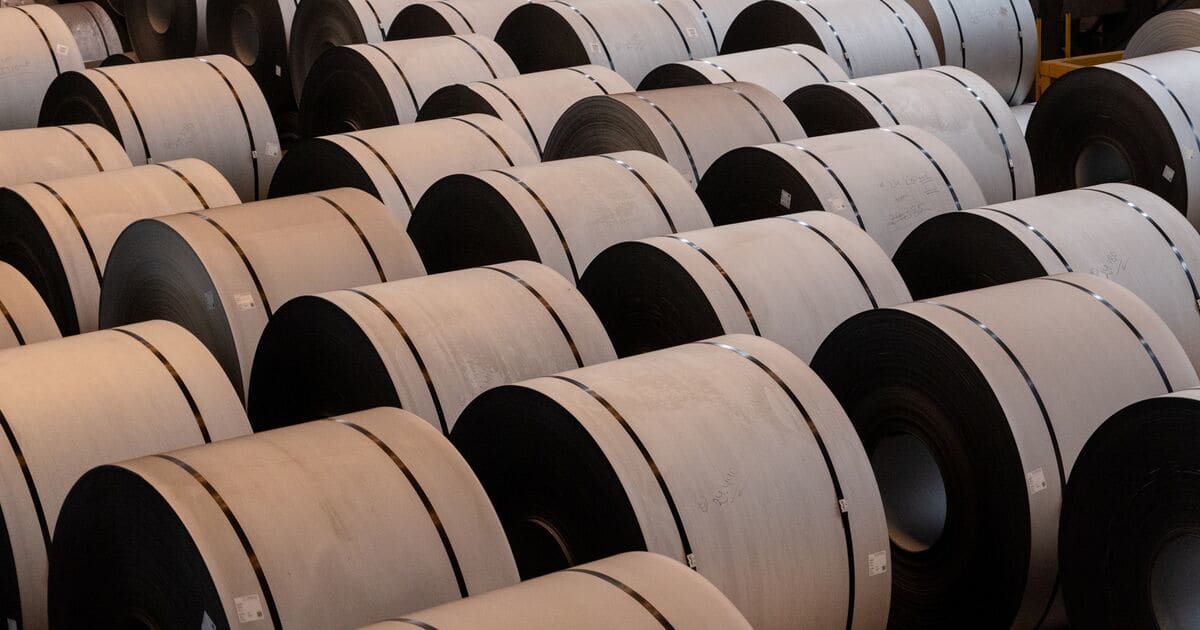
India is entering a critical phase of trade diplomacy with the US and UK, aiming to dismantle tariff walls for its manufacturing sector. This deep dive analyzes the potential winners and losers on the NSE, providing a strategic blueprint for navigating the volatility ahead.
The Great Trade Pivot: Why India's Diplomatic Push Matters for Your Portfolio
India is currently orchestrating a high-stakes geopolitical dance. As New Delhi enters fresh trade negotiations with Washington and London, the objective is clear: securing preferential market access for the 'Make in India' ecosystem. For the savvy investor, this is not merely a diplomatic exercise; it is a fundamental shift in the cost-structure dynamics of India’s export-oriented industrial titans.
With global supply chains diversifying away from China, India finds itself in a unique bargaining position. However, the path to lower tariffs is fraught with reciprocal demands. The outcome of these talks will dictate the margin expansion potential for companies that have long struggled against the headwinds of Section 232 steel tariffs and non-tariff barriers in the UK textile market.
How will the India-US trade deal impact steel and textile stocks?
The core of this negotiation lies in the Metals and Engineering sectors. Historically, when trade barriers are lowered, export volumes for Indian steel have seen a localized surge of 12-15% within three quarters. If India secures a 'Country of Origin' exemption or a quota-based tariff reduction, domestic steel producers will see an immediate improvement in their realization per ton.
For the textile sector, the UK market remains a critical high-margin destination. Currently, Indian exporters face stiff competition from Vietnam and Bangladesh, which enjoy more favorable Generalized Scheme of Preferences (GSP) arrangements. A successful trade pact would effectively neutralize this disadvantage, potentially boosting EBITDA margins by 200-300 basis points for firms with high export exposure.
Stock-by-Stock Breakdown: Identifying the Winners and Losers
Investors must distinguish between firms with deep penetration in Western markets and those vulnerable to import-heavy competition. Here is the breakdown of the most sensitive tickers:
- TATASTEEL (Market Cap: ~₹1.8T): A primary beneficiary of potential tariff relief. With its significant European operations, Tata Steel is uniquely positioned to optimize its global supply chain if trade friction between India and the UK dissipates.
- JINDALSTEL (JSPL): Known for its high operational efficiency, JSPL stands to gain from improved access to US infrastructure projects, where Indian specialty steel is increasingly viewed as a viable alternative to Chinese imports.
- JSWSTEEL: As the largest domestic producer, JSW is sensitive to any reciprocal concessions India might offer. If India lowers domestic tariffs on specialized high-grade steel, JSW may face margin pressure from cheaper imports.
- WELSPUNIND: A dominant player in the home textiles segment, this firm is highly leveraged to US consumer spending. A favorable trade agreement could act as a massive tailwind for its export volumes.
- GOKEX (Gokaldas Exports): A classic play on the 'China Plus One' strategy. Improved access to UK and US markets would provide the necessary scale to justify their recent capacity expansions.
Expert Perspectives: The Bull vs. Bear Case
The Bull Argument: Bulls contend that these negotiations are the final piece of the puzzle for India’s manufacturing renaissance. By securing a level playing field, Indian firms can leverage lower labor costs to capture market share that was previously locked behind tariff walls. This is seen as a multi-year rerating opportunity for the Nifty Metal and Nifty Midcap indices.
The Bear Argument: Bears argue that the 'Make in India' narrative is being priced in too aggressively. They point to the risk of 'concession fatigue,' where India might be forced to open its own protected sectors—such as dairy or small-scale manufacturing—to foreign competition, potentially harming domestic SMEs and creating political instability.
Actionable Investor Playbook: Navigating the Volatility
Investors should adopt a 'Barbell Strategy' to manage the inherent volatility of trade negotiations:
- The Core Hold: Maintain exposure to high-efficiency steel producers like JINDALSTEL, which have a history of navigating trade cycles effectively.
- The Tactical Trade: Watch WELSPUNIND for technical breakouts. If news flow on the US-India trade pact turns positive, expect a swift 10-15% move as analysts revise earnings forecasts upward.
- The Hedge: Keep a close eye on import-heavy manufacturing firms. If the government announces reciprocal tariff cuts, consider rotating out of companies with low pricing power and high import dependencies.
Risk Matrix
| Risk Factor | Probability | Impact |
|---|---|---|
| Failure to reach a consensus | Moderate | High (Margin compression) |
| Retaliatory trade friction | Low | Critical (Export bans) |
| Reciprocal concessions hurting domestic firms | High | Medium (Sectoral churn) |
What to Watch Next
The upcoming G20-adjacent working group meetings and the scheduled visit of the UK Trade Secretary are the primary catalysts. Investors should monitor the Ministry of Commerce and Industry's press releases for any mention of 'Rules of Origin'—this is the technical jargon that will determine the actual profitability of these deals. Keep your eyes on the Nifty Metal index; a sustained break above its 200-day moving average would signal institutional accumulation ahead of any official trade announcement.
Disclaimer: This content is generated by WelthWest Research Desk based on publicly available reports and is for informational purposes only. It does not constitute financial advice, investment recommendations, or an offer to buy or sell securities. Always consult a qualified financial advisor before making investment decisions.


