Key Takeaway
The sharp depreciation of the Indonesian Rupiah acts as a canary in the coal mine for Emerging Markets. Investors should prepare for FII rebalancing-led volatility in Indian large-caps as global liquidity tightens.
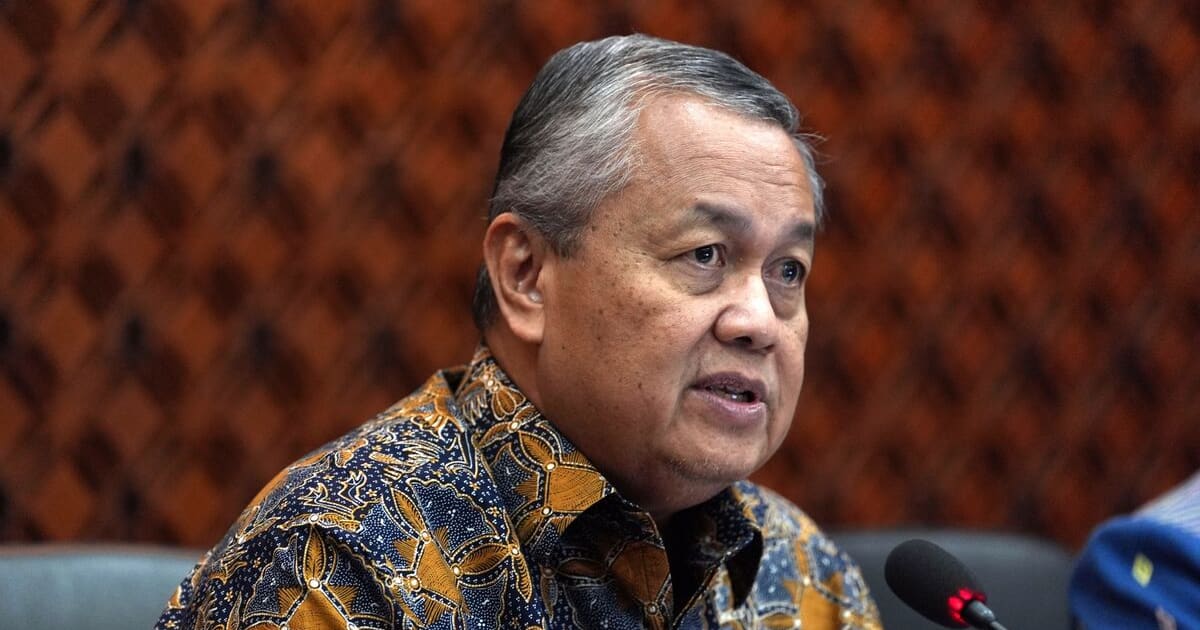
Indonesia's currency turmoil is triggering a 'risk-off' sentiment across Asia. We investigate how this contagion affects Indian equity markets, the specific stocks at risk of FII selling, and the defensive strategy to survive the volatility.
The Rupiah Reckoning: Why Emerging Markets Are Re-pricing Risk
Financial markets are currently witnessing a classic 'risk-off' rotation as the Indonesian Rupiah (IDR) faces intense selling pressure. For the seasoned investor, this isn't merely a localized currency event; it is a signal of shifting global liquidity flows. When the IDR weakens, it forces Foreign Institutional Investors (FIIs) to re-evaluate their exposure to the broader ASEAN and South Asian baskets. In the Indian context, this typically manifests as a defensive withdrawal from high-beta equity positions in favor of USD-denominated safe havens or gold.
How does the Indonesian currency crisis impact the Indian Stock Market?
History serves as a grim template for the current volatility. During the 2022 Fed-tightening cycle, a 5% slide in the IDR correlated with a sharp 3.2% correction in the Nifty50 over a rolling 30-day window. The mechanism is simple: FIIs treat Emerging Markets (EM) as a monolith. When the 'Risk-Off' alarm rings in Jakarta, algorithms automatically trim positions in India—the most liquid EM market—to meet margin calls or rebalance portfolios toward the USD.
The current fragility is exacerbated by a narrowing interest rate differential. If the RBI is forced to adopt a hawkish stance to defend the INR, the cost of capital for Indian corporates will rise, putting downward pressure on P/E multiples that are currently trading at a premium compared to the 5-year historical average.
Stock-by-Stock Breakdown: Who is in the FII Crosshairs?
When capital flight accelerates, FII-heavy stocks are the first to see liquidity drainage. We are tracking the following tickers for potential downside risk:
- HDFC Bank (HDFCBANK): With significant foreign ownership (approx. 50%+), HDFC Bank is a primary proxy for FII selling. As the banking sector faces margin compression, a rise in the cost of funds could see the stock test its 200-day moving average.
- ICICI Bank (ICICIBANK): While fundamentally robust, it remains a favorite for institutional rotation. Expect heightened intraday volatility as global desks rebalance their Indian banking exposure.
- Reliance Industries (RELIANCE): As a market heavyweight, Reliance is often sold to provide liquidity for global funds. Any sustained weakness in the USD/INR pair will likely see institutional selling here to hedge against currency depreciation.
- Infosys (INFY): As an export-oriented IT giant, Infosys provides a partial hedge. However, if the broader market sentiment turns, the valuation premium (trading at ~25x P/E) may contract as investors rotate into safer, non-cyclical sectors.
Expert Perspective: The Bull-Bear Divide
The Bear Case: Contagion is inevitable. The Indonesian crisis will force regional central banks to tighten liquidity, stifling domestic credit growth and leading to a cascading equity market correction that could shave 5-7% off the Nifty50 before year-end.
The Bull Case: India’s macro-fundamentals—specifically its record-high forex reserves and resilient domestic retail participation—act as a firewall. Unlike 2013, the 'Taper Tantrum' era, India is no longer solely dependent on foreign capital flows to sustain its current account balance.
Actionable Investor Playbook: Navigating the Turbulence
Investors should adopt a 'Barbell Strategy' to navigate this volatility:
- Defensive Allocation: Increase exposure to gold (GLD/SGB) and defensive sectors like FMCG, which typically maintain revenue stability during currency crises.
- Liquidity Management: Maintain a 15-20% cash position. Do not attempt to catch the falling knife in high-beta stocks; wait for the RSI to hit oversold levels (below 30) on the daily timeframe.
- Monitor Import-Dependent Sectors: Reduce exposure to Oil Marketing Companies (OMCs) and consumer electronics manufacturers who face direct margin erosion from a weakening Rupee.
Risk Matrix
| Risk Factor | Probability | Impact |
|---|---|---|
| Sustained FII Outflows | High | Medium-High |
| RBI Forced Rate Hike | Medium | High |
| Global Recession Trigger | Low-Medium | Extreme |
What to Watch Next: Key Catalysts
The next two weeks are critical. Investors must monitor the US CPI data release and the RBI’s MPC meeting minutes. A hawkish tone from the Fed regarding interest rates would likely trigger further depreciation in the IDR and INR, potentially accelerating the exodus of FII capital from the NSE and BSE. Keep a close eye on the USD/INR cross-currency pair; a breach of the 84.50 level would signal further institutional hedging, likely leading to a broader market sell-off.
Disclaimer: This content is generated by WelthWest Research Desk based on publicly available reports and is for informational purposes only. It does not constitute financial advice, investment recommendations, or an offer to buy or sell securities. Always consult a qualified financial advisor before making investment decisions.