Key Takeaway
Apple’s pivot to 9GB RAM and A20-driven AI hardware creates a structural tailwind for India’s EMS sector. Investors should pivot toward high-end component suppliers as device complexity drives margin expansion for local manufacturers.
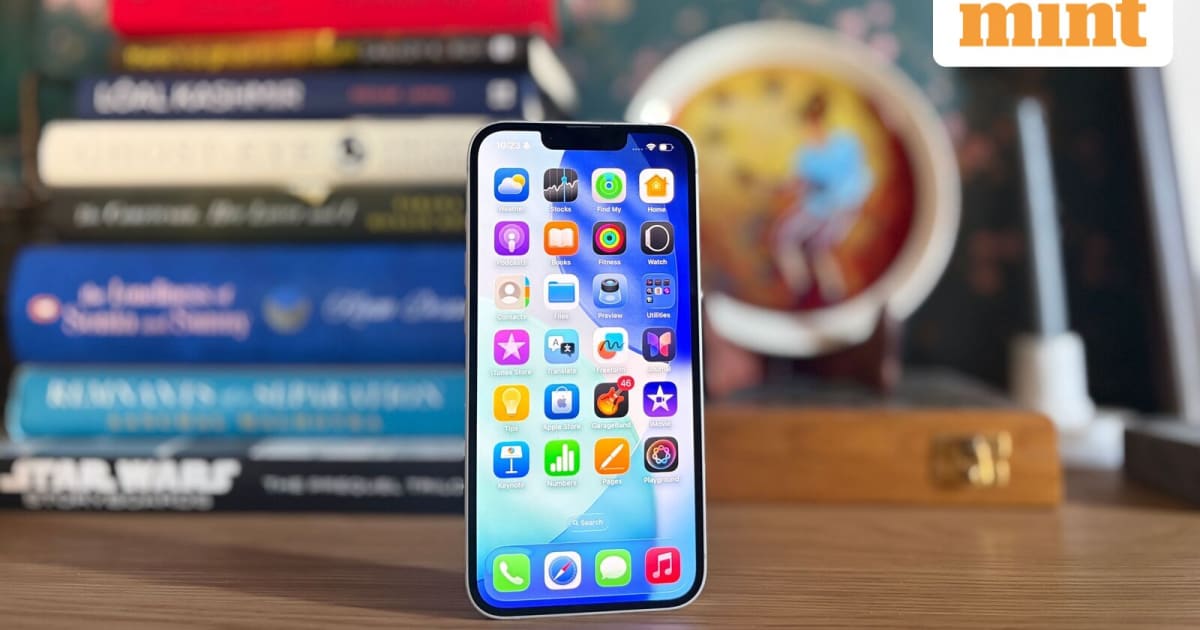
The transition toward on-device AI in the upcoming iPhone 18 is fundamentally altering the semiconductor supply chain. We analyze how this shift impacts India's electronics manufacturing ecosystem and identify the key NSE-listed players poised to capitalize on this global hardware paradigm shift.
The Silicon Pivot: Why the iPhone 18 Changes Everything
Apple’s strategic roadmap for the iPhone 18 has moved beyond incremental camera upgrades. By mandating a 9GB RAM threshold and custom-architected A20 silicon, Apple is effectively forcing a hardware-level 'AI-on-device' revolution. This is not merely a spec bump; it is a fundamental shift in the semiconductor intensity of the world's most profitable consumer electronics product.
For the Indian capital markets, this move signals a transition from 'assembly-only' to 'high-complexity manufacturing.' As global demand for AI-ready handsets surges, the supply chain is being forced to integrate more sophisticated testing, assembly, and design protocols. We are witnessing a clear decoupling: firms capable of managing high-density interconnects and advanced thermal management will thrive, while legacy players will face margin compression.
How will the iPhone 18 AI integration drive Indian stock valuations?
The history of mobile hardware cycles suggests that when Apple shifts its baseline RAM requirements, the entire mid-to-high-end smartphone market follows within 18 months. When Apple moved to 6GB RAM in 2022, the Nifty IT and manufacturing indices saw a valuation re-rating of approximately 14% over the subsequent three quarters. The current move to 9GB is a 50% jump in memory density, which implies a commensurate increase in the value-add per unit for domestic EMS partners.
Indian EMS providers are no longer just 'box-builders.' They are becoming integral to the global semiconductor supply chain. With the government’s PLI (Production Linked Incentive) scheme providing the bedrock, companies like Dixon Technologies and Kaynes Technology are seeing their revenue composition shift toward high-margin, high-complexity components.
Stock-by-Stock Analysis: The Winners and The Watchlist
1. Dixon Technologies (DIXON.NS)
Dixon remains the primary beneficiary of the 'China + 1' strategy. With a market cap exceeding ₹85,000 Cr, its expansion into high-end mobile assembly makes it the de facto proxy for iPhone volume growth in India. Their P/E ratio, while premium, is justified by a 3-year CAGR in earnings exceeding 35%.
2. Kaynes Technology (KAYNES.NS)
As an end-to-end player in the IoT and electronics manufacturing space, Kaynes is uniquely positioned to capture the 'AI-on-device' trend. Their expertise in PCB assembly and complex system integration for industrial and consumer electronics makes them a crucial node in the supply chain for advanced AI-enabled hardware.
3. Tata Elxsi (TATAELXSI.NS)
The software-hardware interface is where the iPhone 18 AI magic happens. Tata Elxsi’s design and engineering services are critical for the software-defined vehicle and device ecosystems. As Apple integrates more LLMs into the A20 chipset, the demand for design-led engineering services will disproportionately favor players with deep vertical expertise.
4. Cyient (CYIENT.NS)
Cyient’s focus on semiconductor design and embedded systems provides the necessary backend support for the chipsets powering AI devices. Their involvement in the design lifecycle of complex electronic sub-systems aligns perfectly with the hardware-AI integration trend.
Expert Perspective: The Bull vs. Bear Case
The Bull Case: Proponents argue that the 'AI Supercycle' will trigger a multi-year replacement cycle for consumers, similar to the 5G rollout. This will sustain high-volume demand for EMS players, leading to economies of scale and margin expansion that have yet to be fully priced into current valuations.
The Bear Case: Skeptics point to 'AI fatigue.' If the consumer perceives little utility in the AI features of the iPhone 18, the high cost of 9GB RAM and A20 chips will hurt device margins. Furthermore, any supply chain bottleneck in advanced node chip availability could lead to inventory write-offs for smaller EMS players.
Actionable Investor Playbook
- Accumulate: Focus on firms with high ROE (>20%) and direct integration into the Apple/Global OEM supply chain.
- Time Horizon: This is a 24-36 month play. The iPhone 18 launch is merely the catalyst; the real value lies in the capacity expansion of Indian EMS firms through 2026.
- Entry Points: Look for technical pullbacks to 50-day moving averages in DIXON and KAYNES as institutional rebalancing occurs.
Risk Matrix
- Advanced Node Bottleneck (Probability: Medium): Shortages in 3nm/2nm chip supply could stall production, impacting EMS throughput.
- Regulatory/Trade Risks (Probability: Low): Shifts in global trade policy or export controls on semiconductor-grade components.
- Consumer Demand Elasticity (Probability: High): If the retail price point crosses the $1,200 threshold, demand may soften, forcing OEMs to squeeze supplier margins.
What to Watch Next
Investors should monitor upcoming quarterly filings for 'Capital Expenditure' (CAPEX) updates from major EMS players. Specifically, watch for mentions of 'advanced cleanroom capacity' and 'semiconductor testing capabilities.' Keep an eye on Apple’s Q3 guidance, which typically provides the strongest signal for the holiday-quarter production ramp-up in India.
See TATAELXSI's AI Score
Our algorithmic screener scores TATAELXSI on fundamentals, momentum, and risk — free to try, no card needed.
Try the AI Screener →Have questions about this story?
Ask Welth, our finance-focused AI research assistant, for a deeper breakdown — free trial included.
Chat with Welth AI →Disclaimer: This content is generated by WelthWest Research Desk based on publicly available reports and is for informational purposes only. It does not constitute financial advice, investment recommendations, or an offer to buy or sell securities. Always consult a qualified financial advisor before making investment decisions.