Key Takeaway
The easing of geopolitical tensions with Iran is unleashing a powerful 'risk-on' sentiment, driving down crude oil prices and creating a dual tailwind for India's economy and equity markets. Investors should capitalize on this shift by focusing on sectors poised to benefit from lower energy costs and increased foreign capital flows.
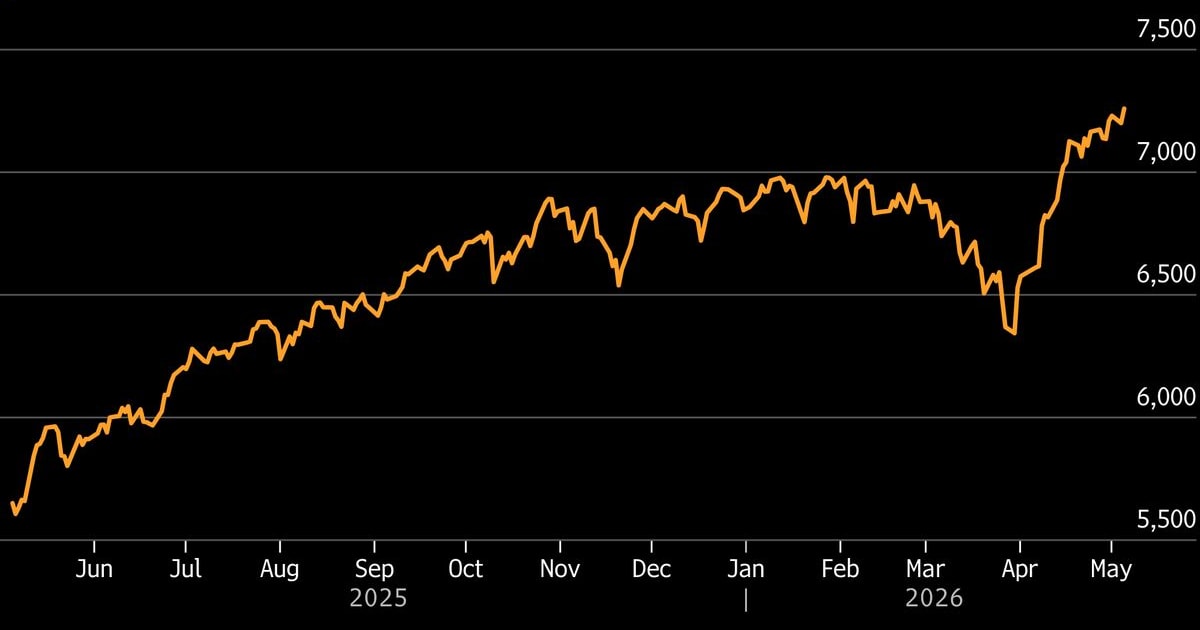
As diplomatic progress with Iran gains traction, global markets are embracing a 'risk-on' environment. This development significantly reduces crude oil prices, offering a substantial boost to India's economic outlook by narrowing the current account deficit and curbing inflation. Coupled with a robust rally in technology stocks worldwide, this scenario is highly conducive to Foreign Institutional Investor (FII) inflows into Indian equities, particularly benefiting energy and IT sectors.
Geopolitical Calm Ignites Global 'Risk-On': India's Economic & Equity Landscape Transformed
In a pivotal shift that has sent reverberations across global financial markets, a significant de-escalation in geopolitical tensions involving Iran has ignited a powerful wave of 'risk-on' sentiment. This development, far from being a fleeting news cycle event, carries profound implications for macroeconomic stability and capital allocation strategies, particularly for emerging economies like India. The immediate and most tangible consequence is a marked decline in crude oil prices, a critical commodity whose volatility has long been a source of concern for global inflation and trade balances. For India, this translates into a potent dual benefit: a substantial improvement in its current account deficit and a welcome moderation in inflationary pressures. This favorable backdrop, amplified by a concurrent global tech-led equity rally, is setting the stage for robust Foreign Institutional Investor (FII) inflows, signaling a potentially transformative period for Indian stock markets.
Why This Iran De-escalation Matters Now for India
The intricate dance of international diplomacy has, for months, cast a long shadow of uncertainty over energy markets. The prospect of heightened conflict in the Middle East, a region critical to global oil supply, has consistently fueled a geopolitical risk premium embedded within crude oil prices. However, recent diplomatic overtures and a visible cooling of rhetoric between Iran and key international players have begun to dismantle this premium. This is not merely an abstract concept; it translates directly into lower import bills for oil-dependent nations like India, which imports over 80% of its crude oil requirements. A reduction in oil prices directly eases pressure on India's foreign exchange reserves, narrows the gap between exports and imports (the current account deficit), and crucially, dampens imported inflation. The Reserve Bank of India (RBI) has been meticulously balancing inflation control with growth objectives; a sustained drop in oil prices provides considerable headroom for monetary policy flexibility. Furthermore, the global equity market's reaction underscores the significance of this event. A broad-based rally, particularly in technology stocks which are often seen as bellwethers of global economic optimism, indicates a global shift away from defensive assets towards growth-oriented investments. This global liquidity surge, driven by reduced fear, is precisely the kind of environment that attracts significant FII capital into promising emerging markets.
The Ripple Effect: Deep Market Impact Analysis for Indian Equities
The confluence of lower oil prices and a global tech-driven rally creates a uniquely favorable ecosystem for Indian equities. Historically, periods of geopolitical calm and falling commodity prices have coincided with periods of strong FII inflows and market appreciation in India. Consider the period in early 2022 when, despite other global headwinds, a temporary easing of energy price concerns saw the Nifty 50 gain over 8% in a single quarter. While past performance is not indicative of future results, the underlying economic logic remains compelling. A lower energy import bill directly boosts the profitability of numerous Indian corporations, particularly those in energy-intensive sectors. Simultaneously, a more stable inflation outlook and potentially looser monetary policy (should the RBI deem it appropriate) can stimulate domestic demand and investment. The IT services sector, a perennial favorite among FIIs due to its dollar-denominated revenues and strong global demand, is set to benefit from increased global economic confidence and the 'risk-on' sentiment that encourages technology spending. The broader market sentiment, currently bullish, is likely to be sustained by these fundamental tailwinds, attracting capital that might have previously been deployed in safer, lower-yielding assets.
How Will Falling Oil Prices Boost India's Current Account Deficit and Inflation Outlook?
India's current account deficit (CAD) is heavily influenced by its trade balance, with oil imports being a significant component. In FY23, India's oil import bill was substantial, contributing to a widening CAD. A sustained decline in crude oil prices, for instance, if Brent crude falls by $10 per barrel, can translate into billions of dollars in savings for India annually. This direct reduction in expenditure on imports improves the trade balance, thereby shrinking the CAD. A narrower CAD reduces the demand for foreign currency to pay for imports, easing pressure on the Indian Rupee and enhancing overall macroeconomic stability. Simultaneously, lower oil prices directly impact transportation costs, manufacturing input costs, and energy prices for consumers. This has a cascading effect on the Consumer Price Index (CPI), helping to anchor inflation expectations and providing the RBI with more room to maneuver its monetary policy. The sensitivity is high: a sustained $20 per barrel drop from current levels could potentially shave off 50-75 basis points from India's headline inflation rate, a significant achievement in the current global inflationary environment.
Sectoral Winners and Losers in the New Market Paradigm
The current market dynamic presents a clear dichotomy of beneficiaries and those facing headwinds. The most prominent winners are undoubtedly the Oil Marketing Companies (OMCs), such as Indian Oil Corporation Ltd (IOCL), Bharat Petroleum Corporation Ltd (BPCL), and Hindustan Petroleum Corporation Ltd (HPCL). These companies directly benefit from lower crude oil acquisition costs while often maintaining stable retail fuel prices, leading to improved refining margins and inventory gains. Their reported profit margins are intrinsically linked to the difference between crude oil prices and refined product prices; a falling crude price widens this spread favorably. Consequently, their earnings outlook brightens considerably, potentially leading to re-ratings and enhanced shareholder returns.
Paint manufacturers, including Asian Paints, are also poised for a significant uplift. A key input for paints is titanium dioxide, a derivative of crude oil. Lower crude prices translate into reduced input costs for these companies, directly boosting their profit margins, especially if they can maintain pricing power. Similarly, the Aviation sector, heavily reliant on jet fuel (a petroleum product), will experience a substantial reduction in operating expenses. Airlines like InterGlobe Aviation Ltd (IndiGo) will see their fuel costs, a major component of their P&L, decrease, thereby improving profitability and potentially leading to more competitive airfares, stimulating passenger demand.
Tyre manufacturers, such as MRF and CEAT, also benefit from lower crude oil prices, as synthetic rubber, a key raw material, is derived from crude oil. Reduced input costs will likely lead to margin expansion. On the other hand, Upstream oil producers, those involved in exploration and extraction, face a challenging environment. Companies like Oil and Natural Gas Corporation (ONGC) and Oil India Ltd (OIL) see their revenue realization decrease with falling crude prices, potentially impacting their profitability and investment plans. While they may benefit from lower operating costs, the primary revenue driver is the price of crude, which is now trending downwards.
The 'safe-haven' asset class, Gold, typically sees demand wane when geopolitical risks recede and market optimism rises. Gold-linked ETFs and physical gold investors might experience a reversal as capital flows out of perceived safe havens and into riskier, higher-return assets. This sentiment shift can lead to price corrections in gold.
The Information Technology (IT) services sector, a major beneficiary of global economic growth and technological adoption, is set for a strong performance. Companies like Tata Consultancy Services (TCS) and Infosys will benefit from increased IT spending by global corporations driven by renewed confidence and a more stable economic outlook. Their earnings, largely dollar-denominated, also see a favorable translation into Rupees, further boosting their reported figures.
Stock-by-Stock Impact: Navigating the Opportunities
Indian Oil Corporation Ltd (IOCL): As a major player in refining and marketing, IOCL is a direct beneficiary of lower crude oil prices. The company's refining margins, which represent the difference between the cost of crude oil and the selling price of refined products, are expected to widen significantly. With a P/E ratio that often trades at a discount to its global peers, IOCL's earnings trajectory is set to improve substantially, potentially leading to a re-rating. Investors should watch for improvements in its inventory valuation gains and stable retail fuel pricing policies.
Bharat Petroleum Corporation Ltd (BPCL) & Hindustan Petroleum Corporation Ltd (HPCL): These peer OMCs will experience similar margin expansion benefits as IOCL. Their integrated refining and marketing operations position them well to capitalize on the favorable crude price environment. Their robust balance sheets and consistent dividend payouts make them attractive in a 'risk-on' rally, provided their operational efficiency remains high.
Asian Paints: This market leader in the decorative paints segment will benefit from softening raw material costs, particularly titanium dioxide and crude oil derivatives used in paint formulations. With a strong brand presence and pricing power, Asian Paints is well-positioned to translate these cost savings into improved profitability. Its consistent revenue growth and healthy return ratios make it a defensive growth stock that benefits from this particular macro shift.
InterGlobe Aviation Ltd (IndiGo): The dominant Indian carrier's profitability is intrinsically linked to fuel costs. A sustained decline in aviation turbine fuel (ATF) prices will significantly reduce operating expenses, boosting margins and potentially allowing for more aggressive capacity expansion or return of capital to shareholders. Investors will monitor capacity utilization and yield trends alongside fuel cost evolution.
Oil and Natural Gas Corporation (ONGC): As an upstream producer, ONGC's revenue is directly correlated with crude oil prices. A decline in global crude prices will negatively impact its revenue realization and profitability. While the company benefits from government subsidies and a diversified portfolio, a sustained low-price environment could necessitate a review of its exploration and production spending plans. Investors should assess its cost of production and its ability to manage lower revenue streams.
Tata Consultancy Services (TCS) & Infosys: These IT giants are set to capitalize on the global tech spending uptick. With a strong pipeline of digital transformation projects and a robust client base in North America and Europe, they are poised to benefit from increased IT budgets. Their consistent revenue growth, strong operating margins (often exceeding 25%), and healthy cash flows make them prime candidates for FII inflows seeking quality growth. The current 'risk-on' sentiment globally is a direct catalyst for increased demand for their services.
Expert Perspectives: Bulls vs. Bears on the Iran De-escalation Impact
Bulls argue that the de-escalation with Iran is a genuine and sustainable shift, removing a significant overhang from global markets. They point to the cascading benefits for India: reduced import costs, lower inflation, a stronger Rupee, and increased disposable income, all of which fuel domestic demand and corporate earnings. The global 'risk-on' sentiment, they contend, will drive substantial FII inflows into Indian equities, particularly into high-quality IT and energy stocks, leading to a prolonged bull run. They highlight that the current geopolitical stability, if maintained, allows central banks globally to focus on growth rather than inflation, further supporting equity markets.
Bears, conversely, remain cautious. They emphasize the inherent volatility of geopolitical situations and the potential for rapid reversals. Any setback in Iran negotiations or an unforeseen supply shock elsewhere (e.g., Venezuela, Nigeria) could swiftly send oil prices soaring again, undoing the current market optimism. They also point to potential headwinds such as persistent global inflation forcing central banks to maintain tighter monetary policies, or a slowdown in major economies like the US or Europe impacting IT services demand. Furthermore, they might argue that the current rally is driven by sentiment rather than sustained fundamental improvements, making it susceptible to a sharp correction if broader global economic data deteriorates.
Investor Playbook: Navigating the 'Risk-On' Environment
Action: Buy. Focus on sectors directly benefiting from lower energy costs and increased global liquidity.
Specific Bets:
- Oil Marketing Companies (OMCs): IOCL, BPCL, HPCL. Look for entry points on minor dips, with a target upside potential of 15-20% over the next 6-12 months, assuming sustained low oil prices.
- Paint Manufacturers: Asian Paints. A buy on any consolidation, with a long-term outlook for margin expansion.
- Aviation: IndiGo. Entry on dips, targeting a 10-15% upside as fuel cost savings materialize and travel demand remains robust.
- IT Services: TCS, Infosys. Accumulate on any weakness, as global demand for digital services is expected to remain strong. These are long-term growth plays with potential for 20-25% appreciation over 12-18 months.
What to Watch:
- Crude Oil Prices: Monitor Brent and WTI benchmarks closely. A sustained move below $75/barrel for Brent would be a strong positive signal.
- FII Inflows: Track daily and weekly FII investment data. Significant net inflows will confirm the 'risk-on' sentiment.
- RBI Monetary Policy: Any indication of a less hawkish stance or potential rate cuts due to lower inflation would be a major positive catalyst.
- Geopolitical Developments: Any news that suggests a re-escalation of tensions in the Middle East or related regions.
Time Horizon: This is a medium-term opportunity, with significant benefits expected to unfold over the next 6-18 months, contingent on the sustained de-escalation and its positive macroeconomic effects.
Risk Matrix: Potential Landmines in the Rally
1. Geopolitical Re-escalation (Probability: Medium-Low): A sudden breakdown in diplomatic efforts with Iran or an unforeseen incident in the Middle East could lead to a rapid spike in oil prices and a sharp market correction. This risk is elevated by the unpredictable nature of international relations.
2. Global Economic Slowdown (Probability: Medium): Persistent inflation in developed economies could force central banks into further aggressive rate hikes, triggering a global recession and dampening demand for Indian exports, particularly IT services. A significant slowdown in the US or EU could reverse the 'risk-on' sentiment.
3. Supply Shocks in Other Oil-Producing Regions (Probability: Low-Medium): Unforeseen disruptions in oil production from countries like Venezuela, Nigeria, or even internal issues within major OPEC+ nations could offset the positive impact of the Iran de-escalation.
4. Currency Volatility (Probability: Medium): While a narrowing CAD is positive for the Rupee, any sudden global risk aversion or significant changes in US monetary policy could lead to sharp depreciations, impacting import costs and FII sentiment.
What to Watch Next: Upcoming Catalysts
Investors should closely monitor several key developments that will shape the trajectory of this 'risk-on' rally:
- Next OPEC+ Meeting: Decisions on production quotas will be crucial in signaling the cartel's stance on global oil supply.
- US Inflation Data (CPI & PPI): Key indicators that will influence the Federal Reserve's monetary policy decisions. Any sign of inflation stubbornly remaining high could dampen global optimism.
- India's Current Account Deficit Data: The next quarterly CAD print will provide concrete evidence of the impact of lower oil prices on India's trade balance.
- Company Earnings Reports: Forthcoming quarterly results for OMCs, IT firms, and aviation companies will validate the anticipated margin expansion and revenue growth.
The current market environment, driven by geopolitical détente and a resurgent global economy, presents a compelling opportunity for astute investors. By understanding the nuanced interplay of these factors and focusing on the specific sectors and companies poised to benefit, Indian investors can effectively navigate this evolving landscape and capitalize on the newfound optimism.
Disclaimer: This content is generated by WelthWest Research Desk based on publicly available reports and is for informational purposes only. It does not constitute financial advice, investment recommendations, or an offer to buy or sell securities. Always consult a qualified financial advisor before making investment decisions.