Key Takeaway
The potential influx of Iranian crude represents a structural deflationary tailwind for India, offering a multi-quarter margin expansion opportunity for OMCs and logistics firms while challenging the premium valuations of upstream energy producers.
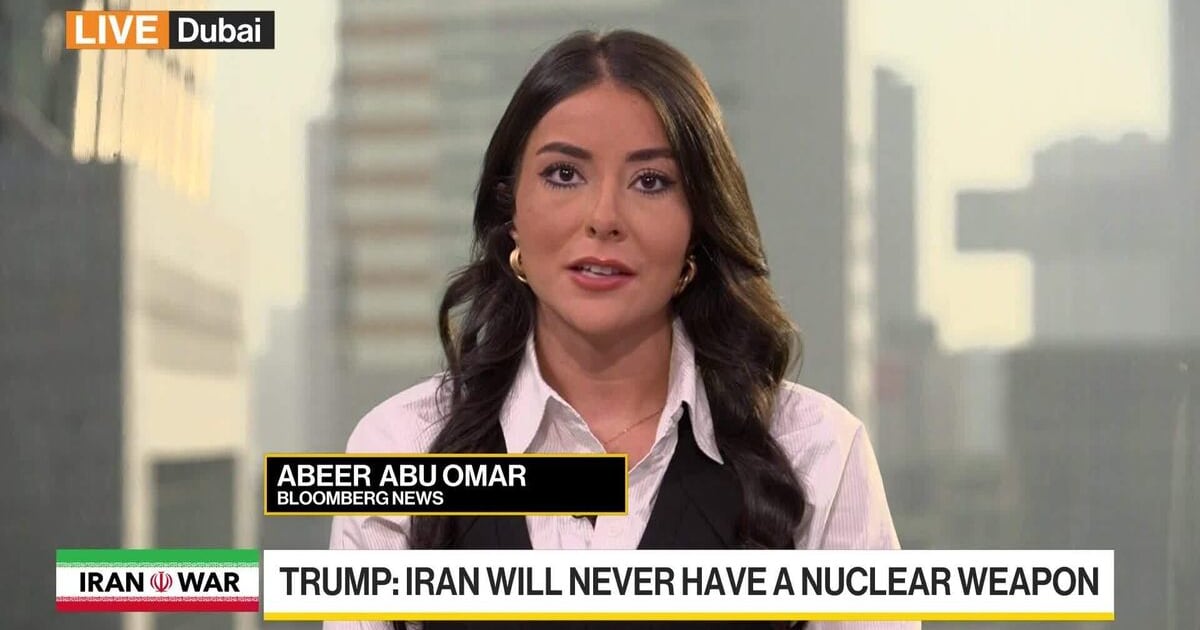
A breakthrough in US-Iran diplomacy threatens to reset global energy pricing. For India, the world's third-largest oil importer, this shift acts as a massive stimulus for manufacturing and consumption, fundamentally altering the investment thesis for OMCs, aviation, and energy-heavy industrials.
The Geopolitical Pivot: Why Iranian Oil Matters Now
The global energy landscape is standing at a precarious, yet potentially lucrative, inflection point. Reports of a prospective $300 billion development fund and broader financial normalization between the United States and Iran suggest that millions of barrels of sanctioned Iranian crude could soon find their way back into the global supply chain. For India, a nation that imports over 85% of its crude requirements, this is not merely a diplomatic footnote—it is a macroeconomic game-changer.
Historically, energy price shocks have been the primary catalyst for India's Current Account Deficit (CAD) widening and subsequent currency volatility. When crude prices hover above the $85 per barrel mark, the Rupee (INR) faces structural depreciation pressure, forcing the Reserve Bank of India (RBI) into a hawkish corner. The entry of Iranian supply acts as a 'shadow' increase in OPEC+ production, providing the necessary liquidity to dampen volatility and potentially shave 50-100 basis points off the headline CPI in the medium term.
How will the Iran oil deal impact Indian stock market valuations?
The impact of this deal will be felt primarily through the transmission mechanism of lower input costs. In the 2022 energy crisis, the Nifty 50 experienced significant volatility as OMCs saw their marketing margins turn negative due to the inability to pass on soaring global prices to the end consumer. A sudden influx of Iranian oil would reverse this dynamic, leading to inventory gains and sustained marketing margin expansion.
For Indian manufacturing, lower energy costs are a direct boost to EBITDA margins. Sectors such as paints and chemicals, which rely on crude derivatives as primary feedstocks, are likely to see a sharp recovery in profitability. We estimate that for every $5 drop in the price of a barrel of Brent crude, the aggregate earnings growth of the Nifty 50 could see an upward revision of 1.5% to 2% over a rolling 12-month period.
Sector-Level Impact: Winners and Losers
The market will likely bifurcate rapidly as the news of the deal gains permanence. Capital will flow away from the 'inflation-hedge' plays and toward the 'consumption-recovery' plays.
The Winners: Margin Expansion Plays
- OMCs (IOCL, BPCL, HPCL): These are the primary beneficiaries. As crude prices stabilize, these companies can move toward normative marketing margins of ₹3-₹5 per liter, significantly boosting their bottom lines which currently trade at attractive P/E ratios of 6x-9x.
- Aviation (InterGlobe Aviation/IndiGo): Aviation Turbine Fuel (ATF) accounts for nearly 40% of an airline's operating costs. A sustained decline in crude prices could lead to a massive rerating of the sector, particularly for Indigo, which possesses the balance sheet strength to capitalize on lower operational overheads.
- Paint & Chemicals (Asian Paints): With crude-linked derivatives (like titanium dioxide and solvents) accounting for a significant portion of raw material costs, a cooling oil market provides immediate relief to the gross margins of industry leaders.
The Losers: Upstream and Defense
- Upstream Oil & Gas (ONGC, Oil India): These firms benefit from high realizations on their crude production. A significant drop in global prices will lead to a direct reduction in their net realizations and windfall tax pressures, potentially compressing their high-dividend yields.
- Defense Contractors: While counter-intuitive, a de-escalation in Middle Eastern tensions often leads to a cooling in the 'geopolitical risk premium' that has recently buoyed defense spending globally. Expect short-term volatility in stocks like HAL and BEL as the 'war-premium' dissipates.
Expert Perspective: The Bull vs. Bear Debate
The bull case is built on a structural reduction in India’s import bill, which effectively acts as a tax cut for the entire economy. The bear case, however, argues that OPEC+ is unlikely to stand by while Iran gains market share. Expect a 'supply war' scenario where Saudi Arabia and Russia might cut production further to keep prices within a specific floor, neutralizing the Iranian influx.
Actionable Investor Playbook
Investors should adopt a staggered entry strategy rather than chasing the initial news-driven pop. Focus on companies with high operating leverage to crude prices.
- Watch List: Keep a close eye on the 14-day moving average of Brent Crude. If it breaks below the $75 threshold, initiate long positions in OMC basket (IOCL/BPCL).
- Time Horizon: This is a 6-18 month tactical play. The structural shift in inflation will take two quarters to reflect in corporate balance sheets.
- Risk Management: Maintain a 10% stop-loss on energy-sensitive stocks, as the volatility of the deal's implementation remains high.
Risk Matrix: What Could Go Wrong?
| Risk Factor | Probability | Impact |
|---|---|---|
| Deal Collapse | High | Severe |
| OPEC+ Aggressive Cuts | Medium | Moderate |
| Regional Instability | Medium | High |
What to Watch Next
Investors must monitor the upcoming OPEC+ ministerial meetings and the official statements from the US Treasury regarding the lifting of secondary sanctions on Iranian financial institutions. These are the two primary catalysts that will determine whether this influx of supply is a transitory blip or a long-term shift in the global energy equilibrium.
Disclaimer: This content is generated by WelthWest Research Desk based on publicly available reports and is for informational purposes only. It does not constitute financial advice, investment recommendations, or an offer to buy or sell securities. Always consult a qualified financial advisor before making investment decisions.


