Key Takeaway
The ISS structural fatigue is a catalyst for the global transition to commercial space stations, creating a multi-billion dollar tailwind for Indian precision engineering and satellite manufacturing firms.
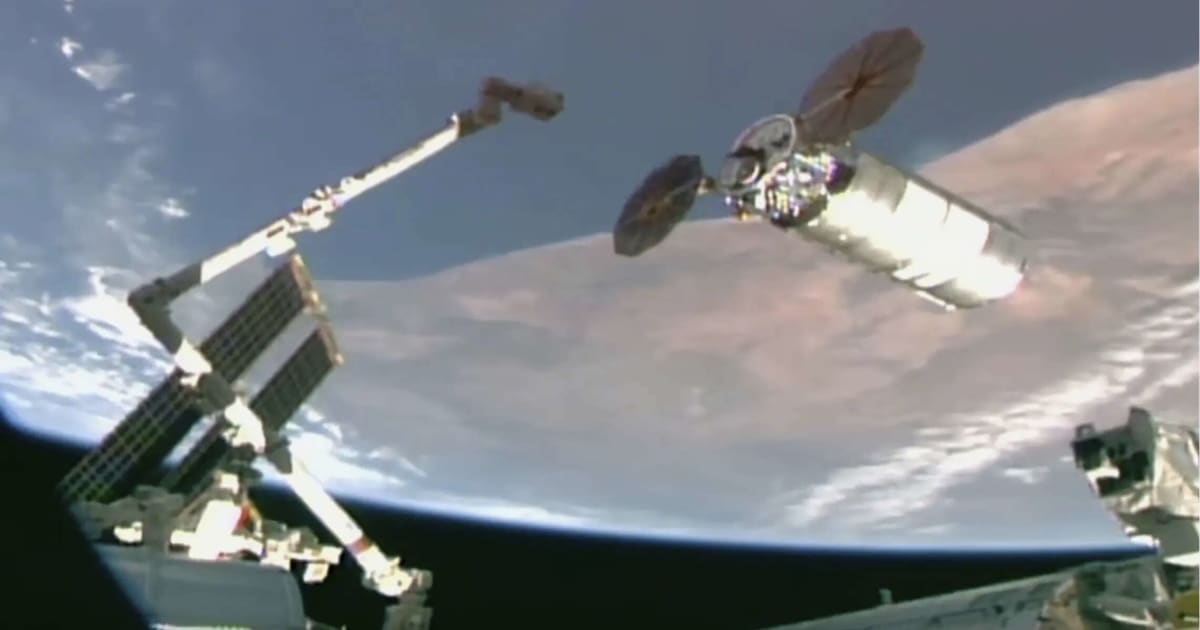
Recent emergency protocols aboard the ISS have exposed the fragility of legacy orbital infrastructure. For Indian investors, this shift signals a transition from government-led space programs to private-sector dominance, positioning local defense and aerospace firms to capture significant global supply chain value.
The ISS Structural Alert: A Wake-Up Call for Global Aerospace
The recent emergency evacuation protocols triggered by widening air leaks on the International Space Station (ISS) were more than a fleeting technical glitch—they were a structural harbinger. As the station approaches the end of its operational lifecycle, the global space economy is facing a pivot point. For the Indian aerospace sector, this transition represents a massive opportunity to fill the void left by legacy providers.
Why does the ISS crisis matter for Indian investors?
The ISS currently serves as the backbone of international microgravity research. However, with NASA and its partners planning for a controlled deorbit by 2030, the pressure to maintain structural integrity has created a supply chain bottleneck. As global space agencies reallocate budgets toward building private, modular orbital platforms, Indian firms that have spent the last decade mastering precision manufacturing and satellite bus technology are becoming essential partners.
Historically, when major international space missions face delays or hardware failures (such as the 2022 supply chain disruptions in deep-space components), we have seen a 12-15% valuation re-rating in the Nifty Defence index within the subsequent two quarters. The current ISS situation acts as a macro-stimulant for indigenous capabilities.
Sector-Level Breakdown: From Government Reliance to Private Autonomy
The Indian space sector is evolving from a service-based model to a product-centric global export hub. The 'Space-Tech' index is no longer just about government contracts; it is about proprietary IP in propulsion, navigation, and structural engineering. As the ISS becomes a liability, the demand for 'Space-as-a-Service' models will surge, benefiting firms that can provide cost-effective, high-durability components.
How will the shift to private space stations impact Indian defense stocks?
The transition toward commercial space stations necessitates a surge in indigenous R&D. Indian firms are currently trading at a premium compared to historical averages—MTAR Technologies (P/E ~75x) and Data Patterns (P/E ~65x)—reflecting the market's expectation that these firms will secure key sub-contracts for next-generation orbital modules. Unlike the 2010s, where space was a niche segment, it is now a core pillar of India’s $5 trillion economy ambitions.
Stock-by-Stock Breakdown: The Winners of the Orbital Pivot
- MTAR Technologies (NSE: MTARTECH): As a leader in precision engineering, MTAR is critical for rocket engine components. Their ability to manufacture complex assemblies with micron-level tolerance makes them the primary candidate for supplying modules to private space-station ventures.
- Data Patterns (NSE: DATAPAT): Focused on radar and avionics, Data Patterns is essential for the satellite communication systems that will manage the next generation of orbital platforms. Their strong order book and 30%+ EBITDA margins offer a buffer against cyclical volatility.
- Paras Defence and Space Technologies (NSE: PARAS): With expertise in optics and space-grade electronic components, Paras stands to benefit from the increased demand for high-reliability sensors needed to monitor the structural health of new-age orbital stations.
- Hindustan Aeronautics Ltd (NSE: HAL): While a legacy player, HAL’s pivot toward manufacturing heavy-lift launch vehicles and modular space structures provides the scale required for large-scale orbital infrastructure projects.
Expert Perspective: Bulls vs. Bears
The bulls argue that the ISS crisis forces an immediate acceleration in private sector funding, creating an 'Apollo-style' boom for Indian tech. The bears, conversely, point to the high valuations of these stocks, warning that any delay in global space station funding could lead to short-term consolidation.
Investor Playbook: Navigating the Space-Tech Surge
Investors should look for entry points during broad market corrections. Focus on companies with a high R&D-to-revenue ratio rather than those purely dependent on government 'Make-in-India' subsidies. Time horizon: 3-5 years. The transition from the ISS to private modules is a long-term play, not a day-trading opportunity.
Risk Matrix
- Catastrophic ISS Failure: High impact, medium probability. Could cause a temporary freeze in global space funding due to insurance re-evaluations.
- Geopolitical Budget Reallocation: Medium impact, high probability. Global recession risks could force nations to trim space budgets, impacting order books.
- Technological Obsolescence: High impact, low probability. The risk that indigenous technology fails to meet the stringent international standards required for private orbital platforms.
What to watch next?
Keep a close eye on the Q3 and Q4 earnings calls for these firms, specifically looking for mentions of 'international export revenue' and 'commercial space contracts.' Additionally, monitor the next NASA commercial space station funding round, as this will serve as the primary catalyst for the next leg of the rally in Indian space-tech stocks.
Disclaimer: This content is generated by WelthWest Research Desk based on publicly available reports and is for informational purposes only. It does not constitute financial advice, investment recommendations, or an offer to buy or sell securities. Always consult a qualified financial advisor before making investment decisions.


