Key Takeaway
Jamie Dimon’s assault on stablecoin yield structures marks the end of the 'Wild West' era for digital payments. For Indian investors, this signals a pivot toward state-sanctioned CBDCs and away from decentralized finance, favoring traditional banking giants over high-growth fintech startups.
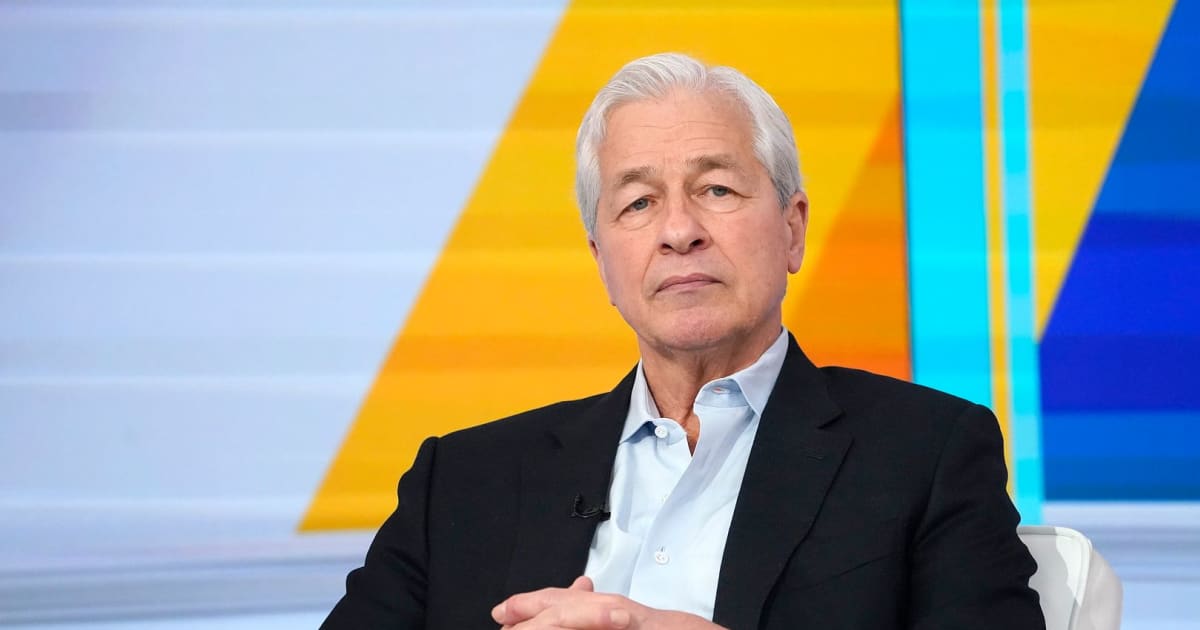
JPMorgan CEO Jamie Dimon’s vocal opposition to stablecoin reward structures in the US CLARITY Act is sending shockwaves through global markets. We analyze how this regulatory friction impacts Indian banking leaders, the future of the e-Rupee, and the valuation of major NSE tech and finance firms.
The Dimon Doctrine: Why Stablecoins Face an Institutional Wall
In the high-stakes theater of global finance, few voices carry the weight of JPMorgan Chase CEO Jamie Dimon. His recent escalation against stablecoin reward structures during the CLARITY Act debate is not merely a policy disagreement; it is a strategic defense of the traditional fractional reserve banking model. By challenging the economic viability of stablecoin yields, Dimon is effectively lobbying for a regulatory framework that prioritizes Central Bank Digital Currencies (CBDCs) over private digital assets.
For the Indian market, this matters immensely. As the Reserve Bank of India (RBI) continues its cautious, methodical rollout of the Digital Rupee (e-Rupee), the US stance on stablecoins acts as a bellwether. If the US curtails private stablecoin utility, the RBI will likely accelerate its restriction of crypto-based payment rails, cementing the dominance of UPI and the e-Rupee.
How Will the CLARITY Act Reshape Indian Banking?
The CLARITY Act, if passed in its current form, aims to impose rigorous reserve requirements and operational transparency on stablecoin issuers. This would essentially force stablecoins to operate with the same capital adequacy ratios as commercial banks, stripping away the 'yield advantage' that has historically drawn capital away from traditional savings accounts.
Historically, when regulatory uncertainty peaks—such as the 2022 crypto winter—we observed a flight to safety. During that period, Nifty Bank indices outperformed broader tech benchmarks by nearly 12% as capital moved from speculative assets into high-yield, stable liquid assets. We expect a similar rotation if global stablecoin liquidity is throttled.
Stock-by-Stock Breakdown: Winners and Losers on the NSE
The ripple effect of Dimon’s stance creates a clear dichotomy between institutional incumbents and tech-heavy fintech disruptors.
- HDFC Bank (NSE: HDFCBANK): As India’s largest private lender, HDFC is a primary beneficiary of a 'stablecoin-lite' environment. With a P/E ratio currently hovering near 18x, the bank stands to capture the digital transaction volume that would have otherwise migrated to DeFi protocols.
- ICICI Bank (NSE: ICICIBANK): ICICI’s aggressive digital transformation makes it a prime candidate to integrate CBDC functionalities. Their robust technological infrastructure allows them to pivot toward government-backed digital rails with minimal friction.
- TCS (NSE: TCS) & Infosys (NSE: INFY): These IT giants are the 'picks and shovels' of the traditional banking sector. As banks scramble to build proprietary, regulatory-compliant digital payment systems to replace decentralized alternatives, the consulting and integration revenue for TCS and Infosys will likely see a significant tailwind.
- Reliance Industries (NSE: RELIANCE): Through Jio Financial Services, Reliance is uniquely positioned to bridge the gap between retail consumer finance and digital assets. However, increased regulation of private digital tokens may force a strategic pivot toward a more centralized, RBI-compliant wallet infrastructure.
The Contrarian View: Are We Killing Innovation?
While the 'Dimon camp' argues that stablecoins pose systemic risks, a growing contingent of tech-optimists—and some institutional investors—argue that this regulatory squeeze will merely export innovation to more favorable jurisdictions. Bulls on fintech argue that by stifling stablecoin yields, the US and India risk losing the next generation of cross-border payment efficiency. They contend that the 'crypto-winter' of 2022 was a cleansing event, and that the current stablecoin architecture is significantly more robust than the banking sector gives it credit for.
Investor Playbook: Navigating the Regulatory Drift
Investors should adopt a 'defensive-growth' posture. The key is to favor companies that provide the infrastructure for the transition to regulated digital finance, rather than those exposed to the disruption of it.
- Increase Exposure to Tier-1 Banks: Use market dips to accumulate HDFC and ICICI. Their balance sheets are the ultimate hedge against decentralized volatility.
- Watch IT Services: Monitor TCS and Infosys for new 'digital currency implementation' contracts. These are high-margin, long-term revenue streams.
- Avoid Pure-Play Fintech Startups: Until the regulatory environment stabilizes, companies that rely heavily on crypto-integration for revenue growth face significant 'key-man' and regulatory risk.
Risk Matrix: Assessing the Volatility
| Risk Factor | Impact | Probability |
|---|---|---|
| Global Stablecoin Ban | High | Low |
| Regulatory Fragmentation | Medium | High |
| CBDC Implementation Delay | Medium | Moderate |
| Institutional Capital Flight | High | Moderate |
What to Watch Next
The primary catalyst to watch is the upcoming G20 Financial Stability Board (FSB) report on digital assets, which will likely align closely with the Fed's stance on stablecoin reserves. Domestically, investors should track the RBI’s quarterly updates on e-Rupee adoption rates; any spike in retail transaction volume will be a clear signal that the central bank is successfully capturing the market share previously targeted by stablecoin issuers.
Disclaimer: This content is generated by WelthWest Research Desk based on publicly available reports and is for informational purposes only. It does not constitute financial advice, investment recommendations, or an offer to buy or sell securities. Always consult a qualified financial advisor before making investment decisions.


