Key Takeaway
The era of unchecked AI-driven euphoria is yielding to a regime of geopolitical risk and energy-led inflation. Investors must pivot from high-multiple growth plays to defensive, commodity-linked, and supply-chain-resilient assets to hedge against the looming current account strain.

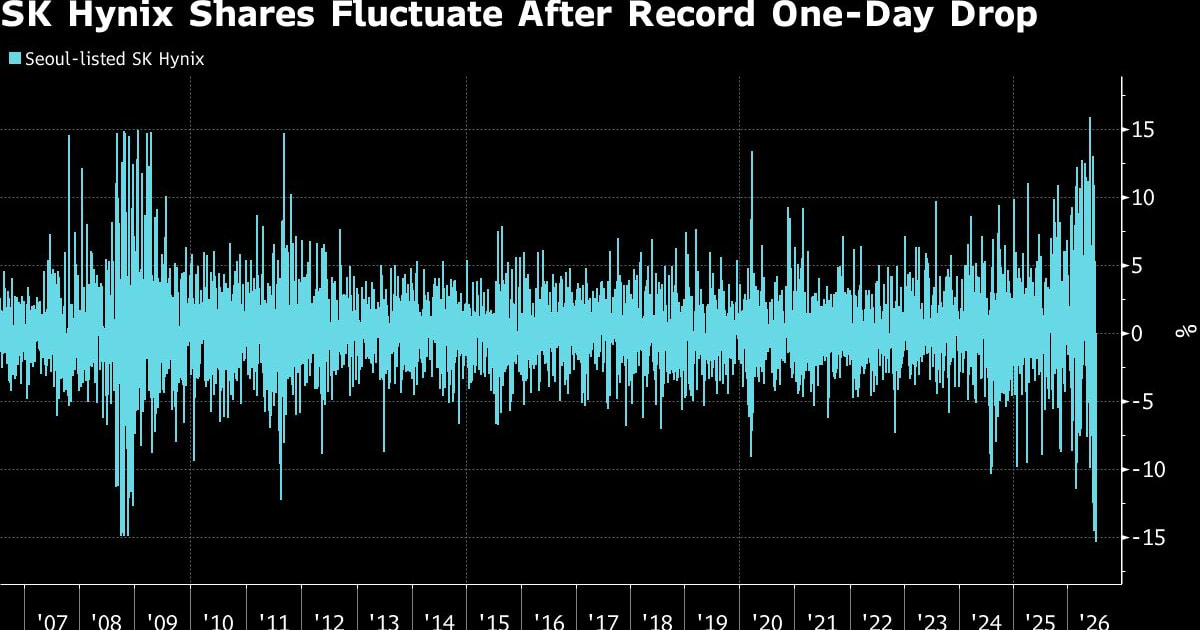
Global equity markets are experiencing a tactical profit-booking phase as AI momentum stalls and Middle Eastern volatility threatens energy prices. This report analyzes the ripple effects on the Indian stock market, highlighting the shift toward energy and defense while flagging vulnerabilities in IT and aviation.
The End of the AI-Led Euphoria: A Reality Check for Indian Markets
For the past eighteen months, Indian equity markets have been fueled by the twin engines of domestic growth and a global AI-induced valuation expansion. However, the current consolidation phase signals a pivotal change in market regime. As global liquidity tightens and the risk of a regional conflict in the Middle East rises, the correlation between global tech sentiment and local market performance is fracturing.
The core issue is no longer just about valuation fatigue; it is about the structural cost of doing business. As crude oil prices remain elevated due to supply-side geopolitical risks, India—as a net energy importer—faces a dual threat: a widening current account deficit (CAD) and a potential resurgence in retail inflation that could delay the Reserve Bank of India’s (RBI) pivot to rate cuts.
How Will Geopolitical Tensions Affect Indian Stock Market Volatility?
History provides a sobering blueprint for the current environment. During the 2022 energy price shock following the onset of the Russia-Ukraine conflict, the Nifty 50 saw a sharp correction of approximately 10-12% as FIIs rotated out of emerging markets into defensive dollar-denominated assets. We are seeing early signs of a similar 'flight to safety' today.
When oil prices breach the $85-$90/bbl threshold, the impact on India’s import bill is immediate. For every $10 rise in crude oil prices, India’s CAD typically expands by roughly 0.5% of GDP. This shift forces a re-evaluation of sectors dependent on domestic consumption and those with high operational exposure to energy costs.
The Sectoral Divergence: Winners and Losers
- The Energy Play: Exploration and Production (E&P) companies are the primary beneficiaries of a sustained high-oil-price environment. Their margins are directly correlated to the net realized price per barrel.
- The IT Fatigue: IT services firms, already grappling with a slowdown in discretionary spending in the US and Europe, face further pressure as valuation multiples (P/E ratios) are compressed by higher discount rates.
- Defense Resilience: Unlike cyclical sectors, the defense sector operates on long-term government order books, making it a 'safe haven' from short-term macroeconomic volatility.
Stock-by-Stock Breakdown: Navigating the Volatility
1. ONGC (Oil and Natural Gas Corporation)
ONGC stands as the primary beneficiary of elevated crude prices. With a P/E ratio significantly lower than the broader market average, it provides a value buffer. Investors should track the 'windfall tax' notifications from the government, which remain the primary drag on their net realization margins.
2. TCS & Infosys (IT Services)
Both TCS and INFY are currently suffering from valuation fatigue. With P/E ratios hovering in the 25x-30x range, they are priced for perfection. Any further delay in US interest rate cuts will likely cause a rotation out of these high-multiple stocks into more defensive, yield-generating sectors.
3. HAL (Hindustan Aeronautics Limited)
HAL represents the 'Strategic Autonomy' theme. Despite the broader market volatility, HAL’s order book visibility provides a structural floor for its stock price. It is less sensitive to global oil shocks and more dependent on the government’s capital expenditure cycle.
4. BPCL & IOC (Oil Marketing Companies)
These are the primary losers in the current cycle. While they benefit from inventory gains, their inability to fully pass on fuel price hikes to consumers—due to political sensitivity—constrains their marketing margins. Watch for margin compression in the coming two quarters.
The Expert Perspective: Bull vs. Bear Case
The Bull Argument: Bulls contend that India’s domestic growth narrative is decoupled from global geopolitical noise. They point to robust GST collections and strong corporate balance sheets as evidence that the Nifty will find support at its 200-day moving average, creating a 'buy the dip' opportunity for long-term investors.
The Bear Argument: Bears argue that the 'India Premium'—the high valuation multiple India commands relative to its peers—is unsustainable in a high-interest-rate, high-oil-price environment. They warn that a prolonged escalation in the Middle East could trigger a massive FII sell-off, similar to the liquidity crunches seen in previous cycles.
Actionable Investor Playbook
Investors should adopt a 'Barbell Strategy' to navigate this consolidation:
- Defensive Allocation: Increase exposure to Gold ETFs and high-dividend-yielding stocks in the public sector, which tend to outperform during periods of market uncertainty.
- Tactical Rotation: Trim positions in high-P/E IT stocks. Wait for a 10-15% correction before considering re-entry into the IT space, targeting a valuation closer to their historical 5-year average P/E.
- Energy Hedging: Hold E&P stocks as a direct hedge against rising crude prices.
- Time Horizon: Shift focus from 'momentum trading' to 'value accumulation.' The next 6 months will likely favor capital preservation over aggressive growth.
Risk Matrix: Assessing the Probability of Escalation
| Risk Factor | Impact | Probability |
|---|---|---|
| US-Iran Direct Conflict | High | Medium |
| Sustained Oil > $95/bbl | High | Medium-High |
| FII Outflow Surge | Medium | High |
What to Watch Next
The market will be hyper-focused on the upcoming RBI Monetary Policy Committee (MPC) minutes and the release of Q2 earnings data. Specifically, watch for management commentary regarding input cost inflation. Any indication that companies are struggling to maintain margins in the face of rising energy costs will likely trigger a secondary wave of selling. Keep a close eye on the US 10-year Treasury yield; if it breaches the 4.5% level, expect renewed pressure on emerging market equities across the board.
Disclaimer: This content is generated by WelthWest Research Desk based on publicly available reports and is for informational purposes only. It does not constitute financial advice, investment recommendations, or an offer to buy or sell securities. Always consult a qualified financial advisor before making investment decisions.