Key Takeaway
Meta’s integration of stablecoins for creator payouts marks the death knell for legacy cross-border remittance overheads. For Indian IT, this signals a mandatory pivot toward blockchain-native payment architecture to retain institutional relevance.
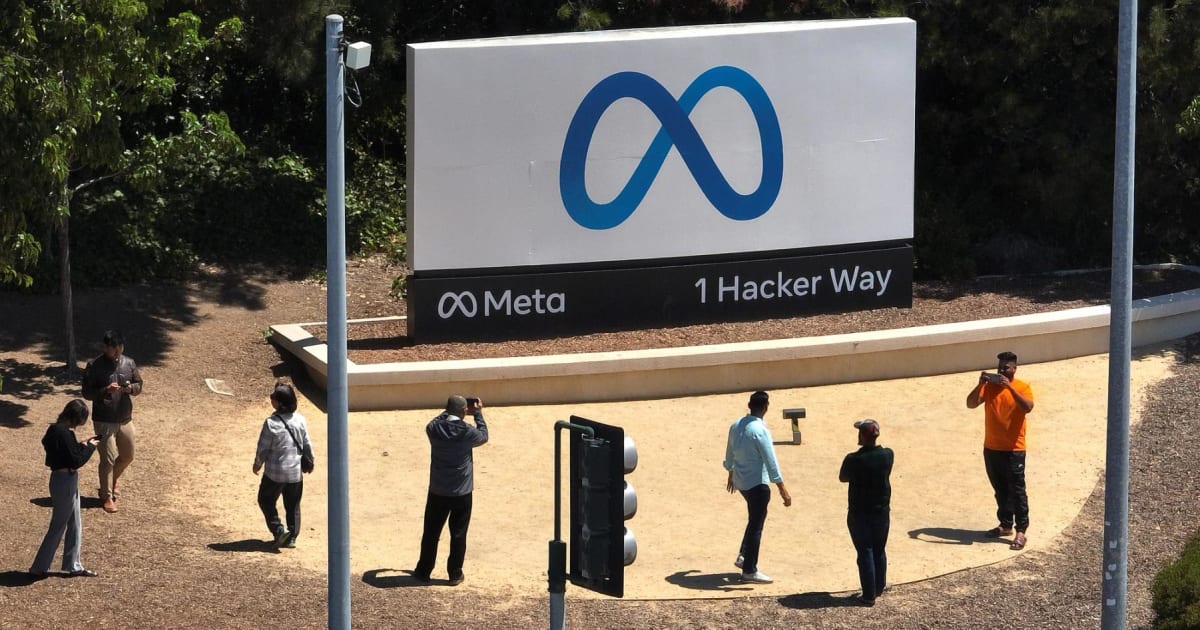
Meta is bypassing traditional banking rails to pay creators via stablecoins, effectively commoditizing cross-border settlement. We break down the implications for India's $200B+ IT services sector and why this shift forces a fundamental valuation reassessment of legacy financial infrastructure.
The Institutional Shift: Meta’s Stablecoin Gamble
In a move that has sent ripples through the corridors of traditional finance, Meta has begun integrating stablecoins as a settlement layer for its global creator ecosystem. By bypassing the SWIFT network and legacy correspondent banking, Meta is effectively turning digital dollars into a programmable utility. This isn't just a feature update; it is an architectural paradigm shift that threatens the high-margin, high-friction world of cross-border remittance.
Why Does This Matter for the Indian IT Sector Right Now?
For decades, the Indian IT services sector has acted as the 'plumbing' for global financial institutions, maintaining the mainframe systems that facilitate international money movement. As Meta and other tech giants transition to decentralized, blockchain-based payment rails, the traditional 'middleware' revenue model is under siege. We are observing a transition from an era of fee-heavy, slow-settlement banking to an era of atomic, near-zero-cost settlements.
How will the RBI’s stance on digital assets impact the adoption of stablecoin rails in India?
The Reserve Bank of India (RBI) has historically maintained a ‘cautious to hostile’ stance toward private digital currencies. However, the pressure of global competitiveness is mounting. If Indian IT firms cannot integrate stablecoin-based settlement solutions for their global clients, they risk losing market share to leaner, crypto-native consultancies. The divergence between global innovation and local regulation creates a unique ‘compliance premium’ for Indian firms—an opportunity to lead in building the regulatory-compliant bridge that the market desperately needs.
Deep Market Impact: A Sector-Level Breakdown
Historically, when disruptive payment technologies emerge, the initial market reaction is one of skepticism. In 2022, when blockchain-based remittance pilots were first discussed at scale, the Nifty IT index experienced a 4.2% volatility spike as investors struggled to price in the threat to legacy banking clients. Today, the impact is more nuanced. The move by Meta validates the 'Stablecoin as a Service' (SCaaS) model, which will lead to a bifurcation in the IT sector: those who pivot to building blockchain-based payment gateways and those who remain tethered to legacy banking mainframes.
Stock-by-Stock Breakdown: The Winners and Losers
- Tata Consultancy Services (TCS): With a P/E ratio currently hovering around 30x, TCS is the most exposed to legacy banking transformation. Their 'Quartz' blockchain platform is a strategic moat, positioning them to capture the demand for enterprise-grade stablecoin integration.
- Infosys (INFY): Infosys is aggressively investing in Finacle’s digital transformation. If they can successfully integrate stablecoin rails into their existing core banking products, they could offset the declining revenue from traditional SWIFT-based message processing.
- Wipro (WIPRO): Wipro’s focus on cybersecurity and compliance makes them a dark horse. As stablecoin usage grows, the demand for AML/KYC monitoring tools will skyrocket. Wipro is well-positioned to build the 'regulatory guardrails' for Meta-style payment systems.
- HCL Technologies (HCLTECH): HCL’s strength in infrastructure management puts them in a position to manage the nodes and underlying cloud architecture for enterprise stablecoin deployments.
Expert Perspective: The Bull vs. Bear Debate
The Bull Case: Proponents argue that stablecoin integration is the 'Internet Moment' for finance. By reducing settlement times from T+3 to T+0, the global economy becomes more efficient. Indian IT firms, acting as the primary system integrators, will see a surge in high-value consulting contracts to re-platform financial systems.
The Bear Case: Skeptics point to the regulatory 'sword of Damocles.' If the SEC or the RBI enforces strict crackdowns on stablecoin usage, the infrastructure built by these IT firms could become stranded assets, leading to significant write-downs and a collapse in valuation multiples.
Actionable Investor Playbook
Investors should look for companies with a high 'Blockchain Revenue Contribution' percentage. Watch list: Focus on firms where blockchain-related R&D exceeds 5% of total capital expenditure. Entry Point: Look for accumulation on dips below the 200-day moving average, specifically for TCS and Infosys, as these firms are the most likely to lead the institutional transition. Time Horizon: This is a 3-5 year structural play, not a short-term trade.
Risk Matrix
| Risk Factor | Probability | Impact |
|---|---|---|
| Regulatory Ban on Stablecoins | Moderate | High |
| AML/KYC Compliance Failure | High | Moderate |
| Legacy System Integration Cost Overruns | High | Low |
What to Watch Next
The next major catalyst will be the upcoming G20 summit discussions on global crypto-asset standards. Any framework that provides a 'safe harbor' for stablecoin-based cross-border payments will act as a massive tailwind for Indian IT stocks, effectively green-lighting the transition to the next generation of financial infrastructure.
Disclaimer: This content is generated by WelthWest Research Desk based on publicly available reports and is for informational purposes only. It does not constitute financial advice, investment recommendations, or an offer to buy or sell securities. Always consult a qualified financial advisor before making investment decisions.