Key Takeaway
The era of relying solely on G-Sec yields is over. Insurers successfully pivoting to Private Equity (PE) and Alternative Investment Funds (AIFs) are signaling a structural shift in profitability that could trigger a valuation re-rating for Indian insurance giants.
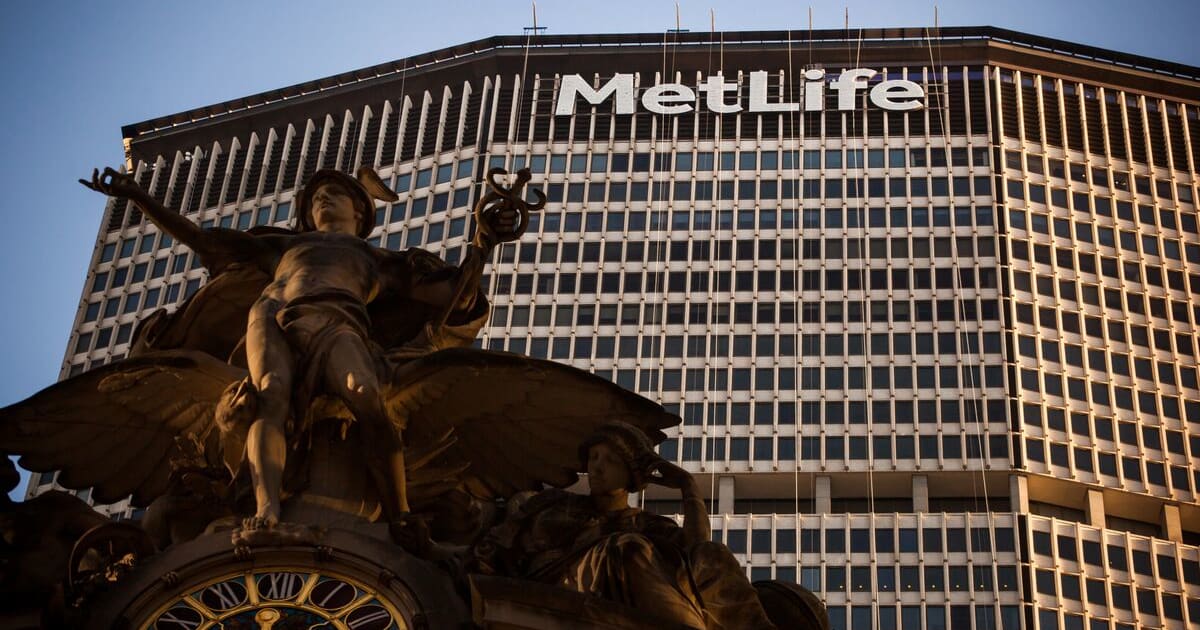
MetLife's recent earnings beat, driven by robust private equity performance, provides a blueprint for the future of insurance asset management. As global interest rates remain volatile, Indian insurers are increasingly looking toward alternative assets to protect margins. We break down the implications for HDFC Life, SBI Life, and the broader Indian insurance sector.
The MetLife Blueprint: Why Insurance Profitability is Changing
In a high-interest-rate environment, the traditional insurance business model—taking premiums and parking them in low-yield government bonds—is facing a structural challenge. MetLife’s recent earnings surprise, fueled by a stellar performance in their private equity (PE) portfolio, serves as a wake-up call for the global insurance sector. By outperforming standard market benchmarks, MetLife has demonstrated that the 'alpha' in insurance isn't just in underwriting; it is in the sophisticated management of the investment float.
For the Indian market, where insurers have historically been conservative, this shift toward alternative assets is not just a trend; it is an imperative. As the Reserve Bank of India (RBI) balances inflation control with growth, the volatility in traditional debt markets makes the diversification into PE and AIFs a strategic necessity to maintain the high solvency ratios that Indian regulators demand.
How will the shift to Private Equity impact Indian insurance stocks?
The Indian insurance landscape is currently dominated by large players like HDFC Life Insurance (HDFCLIFE) and SBI Life Insurance (SBILIFE). Historically, these firms have maintained a heavy tilt toward sovereign debt to ensure capital preservation. However, as the yield curve flattens, the pressure to deliver consistent 15%+ ROEs (Return on Equity) is forcing a re-evaluation of asset allocation.
When we look at the historical parallels, specifically the 2022 market volatility, insurers with higher beta in their portfolios were hit harder in the short term. However, the current cycle is different. With the maturation of the Indian AIF ecosystem, insurers now have a credible path to generate yield-kicker returns. If an insurer can shift even 5-8% of its assets under management (AUM) from traditional debt to high-performing AIFs, the impact on their bottom-line earnings—and subsequently their P/E ratios—could be significant.
Stock-by-Stock Breakdown: Which Insurers Stand to Gain?
- HDFC Life (HDFCLIFE): With a market cap exceeding ₹1.4 lakh crore, HDFC Life has the scale to lead in alternative asset adoption. Their recent focus on protection products provides a stable float, which acts as a perfect hedge for long-term, illiquid PE investments.
- SBI Life (SBILIFE): Benefiting from the massive distribution network of the State Bank of India, SBI Life has the lowest cost of acquisition. Any incremental alpha generated from PE investments flows directly to the bottom line, potentially expanding their already healthy operating margins.
- ICICI Prudential Life (ICICIPRULI): Known for their aggressive investment strategies, ICICIPRULI is arguably the best-positioned to capitalize on this shift. Their experience in managing complex unit-linked products makes them a natural candidate for higher PE exposure.
- Max Financial Services (MAXHEALTH): As a pure-play life insurer, Max is more sensitive to investment yields than its banking-led peers. Their strategy to increase AIF exposure will be critical in the next 18 months to keep their valuation multiples competitive.
Expert Perspective: The Bull-Bear Divide
The Bull Argument: Proponents argue that the 'MetLife Effect' proves that insurance companies are becoming more like hybrid asset managers. By harvesting the illiquidity premium of private markets, they can offer better products to policyholders while driving superior returns for shareholders.
The Bear Argument: Skeptics point to 'earnings lumpiness.' Private equity valuations are notoriously subjective and delayed. A market correction could lead to significant write-downs, causing volatility in reported quarterly earnings—a scenario that conservative Indian investors may not tolerate.
The Investor Playbook: Navigating the Shift
Investors should move away from viewing insurance stocks purely as 'bond proxies.' Instead, treat them as financial conglomerates with a dual-engine model: underwriting and asset management. Look for companies that are transparent about their AIF exposure and have a track record of conservative risk management.
Key Entry Points: Watch for dips in HDFCLIFE and SBILIFE when the broader market reacts to central bank policy shifts. These are long-term compounders, not short-term trades. Focus on the 'Investment Income' line item in quarterly filings over the next three quarters to gauge the efficacy of their alternative asset strategy.
Risk Matrix: What Could Go Wrong?
| Risk Factor | Impact | Probability |
|---|---|---|
| Regulatory Cap on AIF Exposure | High | Medium |
| PE Valuation Write-downs | Medium | Medium |
| Liquidity Mismatch | High | Low |
What to Watch Next
Keep a close eye on the upcoming IRDAI (Insurance Regulatory and Development Authority of India) board meetings regarding investment guidelines. Any easing of the current caps on alternative investments will be the single largest catalyst for the sector. Additionally, watch the Q3 and Q4 earnings calls for management commentary on 'Alternative Asset Yields'—this will be the new benchmark for success in the insurance industry.
Disclaimer: This content is generated by WelthWest Research Desk based on publicly available reports and is for informational purposes only. It does not constitute financial advice, investment recommendations, or an offer to buy or sell securities. Always consult a qualified financial advisor before making investment decisions.