Key Takeaway
The rerouting of global energy corridors has pushed freight costs to parity-breaking levels. For India, this isn't just a shipping bottleneck; it is a structural threat to OMCs' marketing margins and the sovereign fiscal deficit.
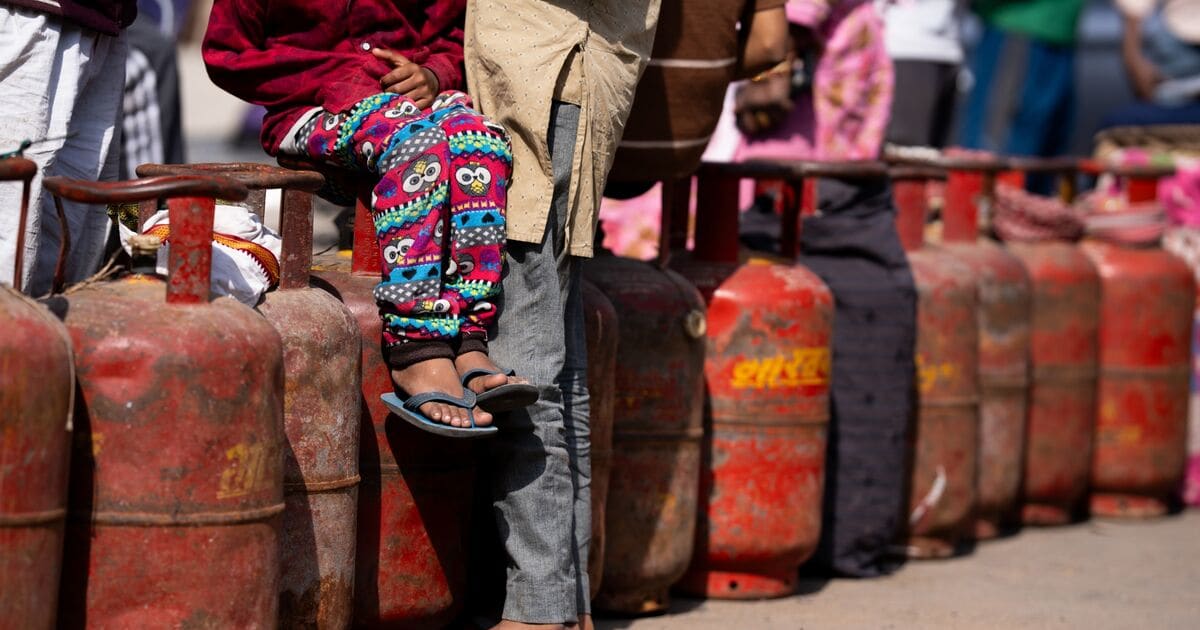
Geopolitical instability in the Middle East is causing a cascade of cancelled US LPG shipments to Asia, triggering a surge in freight rates. This WelthWest deep dive explores the ripple effects on Indian Oil Marketing Companies, petrochemical manufacturers, and the broader energy landscape.
The Perfect Storm: Why US-to-Asia LPG Flows Are Collapsing
The global energy supply chain is currently experiencing a profound structural realignment. As geopolitical tensions in the Middle East escalate, the security of maritime chokepoints—most notably the Red Sea and the Strait of Hormuz—has plummeted. The result is a sharp, asymmetric spike in Very Large Gas Carrier (VLGC) freight rates, which has rendered long-haul US-to-Asia LPG shipments economically unviable. For Indian importers, this is not merely a logistics hurdle; it is an inflationary shockwave hitting the heart of the nation’s energy security.
How will the LPG freight surge impact Indian fuel prices?
When the cost of shipping a cargo of Liquid Petroleum Gas (LPG) from the US Gulf Coast to Asian ports exceeds the arbitrage window, importers simply cancel. We are currently observing a trend where the landed cost of LPG is decoupling from the Saudi CP (Contract Price), placing the entire burden of the freight premium on the Indian Oil Marketing Companies (OMCs). Historically, when freight premiums spiked during the 2022 energy crisis, the Nifty Energy index saw a drawdown of approximately 12% over three months as margins compressed. We anticipate a similar, albeit more volatility-driven, contraction in the current cycle.
The Macroeconomic Transmission Mechanism
India imports over 60% of its LPG requirements. While long-term supply contracts provide a cushion, the spot market exposure—which typically accounts for 15-20% of imports—is currently suffering from extreme price volatility. This forces OMCs into a catch-22: absorb the landed cost increase to maintain retail price stability or pass it on to the consumer, risking government intervention and political friction. Given the current fiscal climate, the former is the most probable short-term outcome, directly threatening the bottom line of state-run entities.
Sector-Level Impact: Winners and Losers in the Energy Value Chain
The market is currently mispricing the divergence between upstream and downstream energy assets. While downstream OMCs face margin compression, upstream producers are effectively shielded, and in some cases, benefit from the higher energy price floor.
- The Losers (Downstream OMCs & Petrochemicals): Companies with heavy reliance on imported feedstock are seeing their 'crack spreads' narrow significantly. The cost of logistics is no longer a rounding error; it is a primary driver of EBITDA volatility.
- The Winners (Upstream Producers): Entities like ONGC are insulated from freight volatility. Their revenue is indexed to global crude and gas benchmarks, and they benefit from the overall inflationary trend in energy commodities.
- The Neutral/Hedged: Large integrated players like Reliance Industries (RIL) possess the logistical scale to mitigate freight spikes, though their petrochemical margins remain sensitive to the global slowdown in downstream demand.
Stock-by-Stock Breakdown: Navigating the NSE Energy Basket
1. IOCL (Indian Oil Corporation Ltd): As the largest retailer, IOCL is the most exposed to retail price caps. With a P/E ratio currently hovering near historical averages, the market is underestimating the potential for a margin squeeze in the coming two quarters. Watch for a contraction in marketing margins below the Rs 3/liter threshold.
2. BPCL (Bharat Petroleum Corporation Ltd): BPCL’s higher exposure to the spot market for LPG makes it particularly vulnerable to current shipping disruptions. Investors should monitor their inventory turnover ratios; a slowdown here would be a leading indicator of supply-side strain.
3. HPCL (Hindustan Petroleum Corporation Ltd): HPCL remains the most sensitive to crude oil price volatility. If freight costs remain elevated, HPCL’s debt-to-equity ratio may come under pressure as working capital requirements balloon to cover higher landed costs.
4. Reliance Industries (RIL): RIL’s O2C (Oil-to-Chemicals) business acts as a double-edged sword. While they are affected by freight costs, their massive refining capacity and sophisticated hedging strategies provide a buffer that smaller peers lack. RIL remains a 'Hold' for those looking for energy exposure with lower beta.
5. ONGC (Oil and Natural Gas Corporation): The primary beneficiary of this environment. With stable domestic production costs and realizations linked to global benchmarks, ONGC is the 'defensive' play in this energy-bearish scenario.
Contrarian Perspective: The Case for a Supply-Side Correction
Bulls in the energy space argue that this supply disruption is transient. They contend that the market will eventually find a new equilibrium as shipping fleets adjust routes and new capacity comes online in late 2025. Conversely, the bear case—which we find more compelling—suggests that the Middle East conflict is structural. If the conflict widens, the 'war risk premium' on shipping insurance will become a permanent fixture, effectively resetting the baseline for global energy costs higher for the next 18–24 months.
Actionable Investor Playbook
Investors should adopt a defensive posture. The current environment favors capital preservation over aggressive growth in energy-dependent sectors.
- Reduce Exposure: Trim holdings in OMCs (IOCL, BPCL) where the risk-to-reward ratio is skewed by potential government price intervention.
- Strategic Allocation: Shift capital toward upstream players (ONGC) or energy-neutral sectors until freight volatility stabilizes below the 200-day moving average.
- Watch the Spread: Monitor the gap between the Saudi CP and the landed cost of LPG at Indian ports. If this spread widens by another 15%, expect a direct impact on OMCs’ quarterly earnings reports.
Risk Matrix: Assessing the Probability of Escalation
| Risk Factor | Impact | Probability |
|---|---|---|
| Prolonged Red Sea Closure | High | 65% |
| Government-Mandated Retail Price Cuts | Medium | 40% |
| Global Supply Chain Recession | High | 30% |
What to Watch Next
Investors must keep a close eye on the upcoming OPEC+ production meetings and the RBI’s next monetary policy committee (MPC) minutes. Any shift in inflation targeting due to energy costs will be a major catalyst for the Nifty. Furthermore, track the Baltic Dirty Tanker Index (BDTI); a sustained move above 1,500 points will serve as the primary sell signal for downstream energy stocks.
Disclaimer: This content is generated by WelthWest Research Desk based on publicly available reports and is for informational purposes only. It does not constitute financial advice, investment recommendations, or an offer to buy or sell securities. Always consult a qualified financial advisor before making investment decisions.


