Key Takeaway
The intersection of surging crude prices and a global tech rotation creates a 'perfect storm' for Indian equities. Investors must pivot from growth-heavy IT to defensive energy and defense plays to weather the impending volatility.
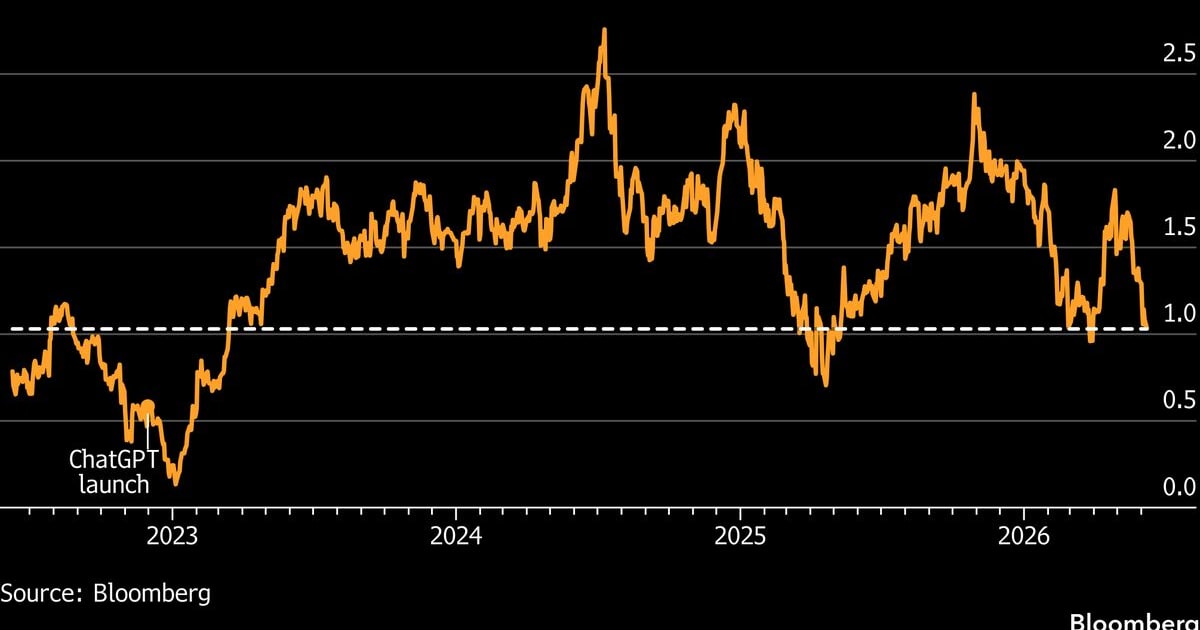
As Middle East tensions flare, the Indian markets face a critical inflection point. Rising oil costs threaten the Current Account Deficit, while a global tech sell-off hits Nifty’s most weighted sector. We analyze the winners, losers, and the path forward for your portfolio.
The Geopolitical Pivot: A New Era of Market Volatility
The sudden escalation in the Middle East has moved from a peripheral concern to the primary driver of global asset pricing. For the Indian investor, the mechanics of this conflict are twofold: a direct supply-side shock via crude oil and a liquidity-driven contagion through the global technology sector. As the US-Iran tension intensifies, the correlation between surging Brent crude and the weakening Rupee (INR) has tightened, creating a systemic risk that hasn't been this pronounced since the 2022 energy crisis.
Historically, when oil prices breach the $85-$90 per barrel mark, the Indian economy experiences a 'double squeeze.' First, the import bill balloons, pressuring the Current Account Deficit (CAD). Second, the Reserve Bank of India (RBI) is forced to maintain a hawkish stance to curb imported inflation, effectively keeping interest rates higher for longer. This environment is inherently hostile to the high-valuation growth stocks that have powered the Nifty 50 for the past three years.
How will the oil price surge impact Indian retail and industrial stocks?
The immediate fallout of sustained high crude prices is a margin compression across the industrial spectrum. Companies with high energy intensity—specifically in the paints, chemicals, and aviation sectors—are the first to feel the heat. When Brent crude rises by 10%, the impact on the bottom line for firms like Asian Paints is non-linear, as raw material costs (derivatives of crude) spike, while pricing power remains constrained by sluggish rural demand.
Conversely, the energy upstream sector finds itself in a sweet spot. For companies like ONGC (BSE: 500312) and OIL (BSE: 533106), higher realisations per barrel directly translate into improved EBITDA margins. Unlike the 2022 shock, where windfall taxes dampened investor sentiment, the current supply-side constraints suggest that these E&P players will maintain robust cash flows even if government intervention increases.
The Tech Sector Contagion: Is the AI Trade Unraveling?
The global rotation out of 'Big Tech' is not merely a valuation correction; it is a fundamental reassessment of risk. As US bond yields climb in response to geopolitical uncertainty, the 'risk-free' rate of return makes the future cash flows of Indian IT giants look less attractive. TCS (NSE: TCS) and Infosys (NSE: INFY), which have been trading at premium P/E ratios (often 25x-30x), are seeing institutional investors rebalance their portfolios toward sectors with more stable, domestic-oriented earnings.
The spillover effect is real. When NASDAQ-listed tech stocks face a liquidity crunch, foreign institutional investors (FIIs) often liquidate their holdings in emerging market IT counterparts to cover margin calls or reallocate capital. This creates a reflexive downward pressure on Nifty IT, independent of the actual order book performance of these companies.
Stock-by-Stock Breakdown
- ONGC (BSE: 500312): A primary beneficiary. With higher crude prices, realisations improve. Look for a P/E expansion if the current price level sustains for more than two quarters.
- HAL (NSE: HAL): The geopolitical premium. In times of global conflict, defense spending becomes non-discretionary. HAL’s order book is shielded from macro volatility.
- TCS (NSE: TCS): Facing a valuation 'de-rating.' As global discretionary spending slows, TCS’s high P/E multiple is increasingly difficult to justify in a high-interest-rate environment.
- INDIGO (NSE: INTERGLOBE): The primary loser. Aviation Turbine Fuel (ATF) accounts for nearly 40% of operating costs. A 10% hike in crude prices is a direct hit to net margins that cannot always be passed on to customers.
- ASIANPAINT (NSE: ASIANPAINT): Margin headwinds. As a downstream consumer of petrochemicals, their input costs will rise, potentially impacting their 18-20% operating margin targets.
Expert Perspective: The Bull vs. The Bear
The bullish case rests on the resilience of the Indian domestic economy. Bulls argue that India’s transition to a manufacturing hub and the massive capex cycle will offset the negative impact of high energy prices. Conversely, bears point to the 'twin deficit' risk: if oil remains above $90, the Rupee could test historical lows against the USD, forcing the RBI to hike rates, which would effectively kill the equity bull market.
Actionable Investor Playbook
Investors should move from a 'growth-at-any-price' mindset to a 'quality-and-defensive' approach. First, trim positions in high-beta IT stocks that are trading at P/E multiples significantly above their 5-year average. Second, initiate staggered entries into Defense and Energy; these sectors offer a natural hedge against the current geopolitical climate. Third, increase exposure to Gold (via ETFs or SGBs) as a store of value against the potential weakening of the Rupee.
Risk Matrix
| Risk Factor | Probability | Impact |
|---|---|---|
| Sustained Oil Price >$100 | Moderate | Severe |
| RBI Hawkish Rate Hike | Low | High |
| Global Tech Recession | Moderate | Moderate |
| Rupee Depreciation <84/USD | High | Moderate |
What to Watch Next
Market participants should closely monitor the next US CPI data release and the upcoming RBI Monetary Policy Committee (MPC) meeting. These will provide the clearest signals on whether the central bank is prioritizing inflation control over growth support. Additionally, keep an eye on the OPEC+ production quota announcements; any sign of supply expansion could be the only catalyst capable of reversing the current bearish sentiment in the oil market.
Disclaimer: This content is generated by WelthWest Research Desk based on publicly available reports and is for informational purposes only. It does not constitute financial advice, investment recommendations, or an offer to buy or sell securities. Always consult a qualified financial advisor before making investment decisions.