Key Takeaway
The geopolitical risk premium in crude oil is evaporating, signaling a massive margin expansion for India’s manufacturing and transport sectors. This shift provides the RBI with the necessary runway to pivot on monetary policy, setting the stage for a broader market re-rating.
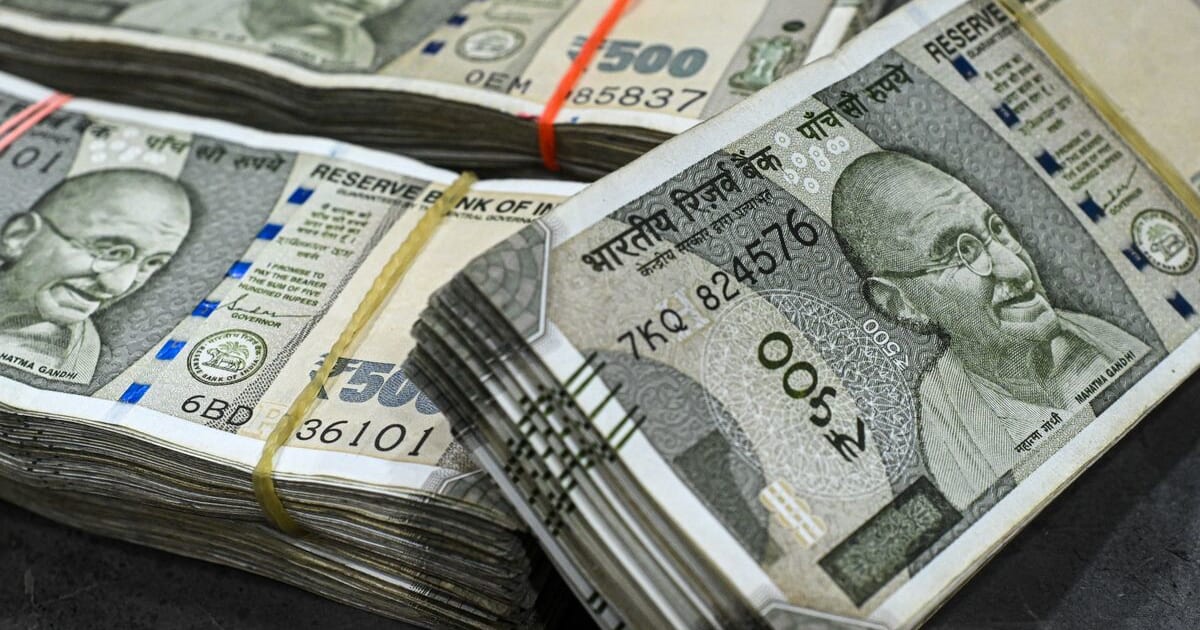
Geopolitical de-escalation in the Middle East is cooling global energy prices, providing a much-needed tailwind for the Indian economy. We analyze the structural shift in OMCs, aviation, and chemical sectors, identifying the key tickers set to benefit from lower input costs and a stabilizing Rupee.
The Geopolitical Pivot: Decoding the Oil Price Correction
For the Indian economy, crude oil is the primary variable that dictates the health of the Current Account Deficit (CAD) and the trajectory of domestic inflation. Recent diplomatic breakthroughs in the Middle East have effectively punctured the 'war premium' that kept Brent crude trading at elevated levels throughout the last quarter. As supply concerns dissipate, the structural implications for India—the world's third-largest oil importer—are profound.
When oil prices soften, the immediate beneficiary is the Indian Rupee (INR). A lower import bill reduces the demand for USD, curbing volatility in the forex markets. Historically, every $10 decline in the price of a barrel of crude oil results in a roughly 0.5% improvement in India’s fiscal deficit as a percentage of GDP. This macroeconomic tailwind is precisely what the Nifty 50 requires to break out of its recent consolidation phase.
How will falling oil prices impact Indian corporate margins?
The transmission mechanism of lower oil prices into corporate earnings is two-fold: direct input cost reduction and indirect inflationary cooling. For industries where petrochemical derivatives act as primary raw materials—such as paints, adhesives, and industrial chemicals—the margin expansion is often immediate. Conversely, for the logistics and aviation sectors, lower fuel prices act as a direct boost to operating leverage.
Sectoral Breakdown:
- Aviation: Fuel costs typically account for 35-45% of an airline's operating expenses. A sustained decline in oil prices allows for improved yield management and bottom-line expansion.
- Paints & Chemicals: As crude-linked derivatives (like monomers and resins) become cheaper, companies can either maintain higher margins or capture market share through aggressive pricing.
- OMCs: Contrary to popular belief, lower crude prices stabilize the marketing margins for government-backed oil marketing companies, as they face less political pressure to absorb price hikes.
Stock-by-Stock Breakdown: Identifying the Winners and Losers
Investors must distinguish between companies with high operating leverage to oil prices and those that face valuation headwinds due to the cooling of safe-haven assets.
The Winners: High-Beta Beneficiaries
- InterGlobe Aviation (INDIGO): With a dominant market share of over 60%, lower ATF (Aviation Turbine Fuel) prices directly inflate their EBITDA margins. Watch for a potential breakout if prices hold below the $75/barrel mark.
- Asian Paints (ASIANPAINT): As a leader in the decorative paint segment, their margins are highly sensitive to crude-derived raw material costs. A 5-10% drop in crude prices historically correlates with a 150-200 bps expansion in EBITDA margins.
- BPCL & IOCL: These OMCs benefit from inventory gains and stable marketing margins. Trading at P/E ratios of 7x-9x, these stocks offer a defensive play with high dividend yields.
The Losers: The Upstream Drag
- ONGC & Oil India: These upstream producers face lower realization prices per barrel as global benchmarks slide. While they are cash-rich, their top-line growth is directly tethered to global crude prices, making them a 'sell' or 'avoid' in a cooling oil environment.
Expert Perspective: The Bull vs. Bear Case
The Bull Case: Proponents argue that the current de-escalation is structural, not cyclical. With the U.S. shale supply remaining robust and OPEC+ discipline potentially wavering, oil could remain in a $65-$75 range. This would allow the RBI to signal a rate cut, triggering a rally in interest-rate-sensitive sectors like Banking and Real Estate.
The Bear Case: Skeptics point to the 'Black Swan' risk. Diplomatic progress is fragile. A sudden flare-up in regional conflict or unexpected production cuts could spike oil back to $90+ in days. Furthermore, if the global economy enters a recession, the demand destruction could lead to a volatile market that punishes even the high-quality, oil-sensitive stocks.
Actionable Investor Playbook
Investors should look to rotate their portfolios to capture the 'Energy-Cooling' trade:
- Accumulate Aviation: Build positions in InterGlobe Aviation on dips. The long-term travel demand in India remains inelastic.
- Re-evaluate Paint Stocks: Asian Paints and Berger Paints are currently trading at valuations that have priced in past high-cost environments; any margin recovery will lead to a P/E multiple re-rating.
- Trim Upstream Exposure: Reduce exposure to ONGC if you are looking for growth, as realization pressures will cap upside potential for the next two quarters.
- Monitor the Rupee: Use the USD/INR pair as a leading indicator. If the Rupee strengthens toward 82.50, it is a green light for aggressive buying in import-dependent sectors.
Risk Matrix
| Risk Factor | Probability | Impact |
|---|---|---|
| Diplomatic Reversal | Medium | High |
| Supply Chain Disruptions | Low | High |
| Global Recessionary Demand Shock | Medium | Medium |
What to Watch Next
Keep a close eye on the upcoming OPEC+ ministerial meetings and the monthly inflation prints from India's WPI (Wholesale Price Index). A cooling WPI, driven by energy costs, will be the clearest indicator that the central bank is ready to shift its stance, providing the final catalyst for a sustained bull run in the Nifty.
Disclaimer: This content is generated by WelthWest Research Desk based on publicly available reports and is for informational purposes only. It does not constitute financial advice, investment recommendations, or an offer to buy or sell securities. Always consult a qualified financial advisor before making investment decisions.


