Key Takeaway
The return of kinetic conflict in Beirut signals a shift from 'geopolitical discount' to 'risk premium' for crude. Investors should brace for imported inflation, margin compression in OMCs, and a likely hawkish pivot from the RBI.
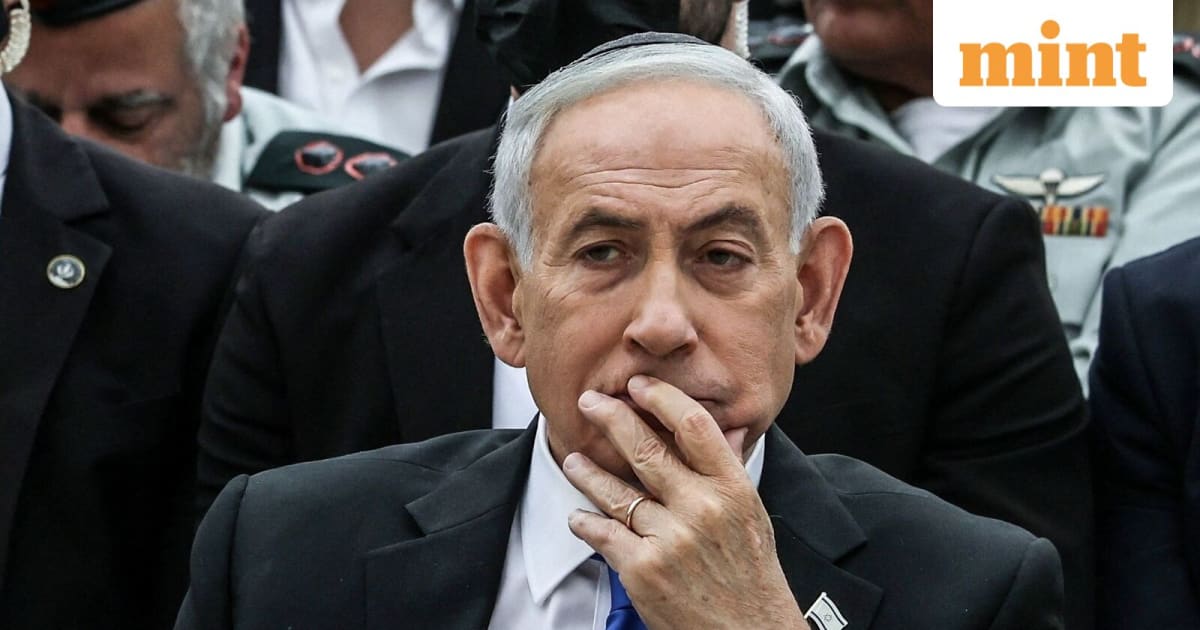
The breakdown of the fragile Israel-Hezbollah ceasefire has sent shockwaves through energy markets. This analysis evaluates the ripple effects on India’s import-heavy economy, identifying the winners and losers in the NSE/BSE landscape as global volatility spikes.
The Ceasefire Collapse: A New Risk Premium for Global Energy
The resumption of hostilities in Beirut, punctuated by the targeted strike on Hezbollah’s Radwan Force leadership, marks a decisive pivot in Middle Eastern stability. For the global financial system, this is not merely a regional security failure; it is a direct threat to the fragile equilibrium of global crude oil supply chains. As the 'geopolitical discount' evaporates, the market is rapidly pricing in a new risk premium that threatens to derail India’s macroeconomic stability.
How will the Middle East conflict impact Indian stock market returns?
India remains uniquely vulnerable to energy shocks. With over 85% of its crude oil requirements met through imports, a sustained escalation in the Levant acts as an immediate tax on domestic consumption. Historically, when Brent crude breaches the $85–$90/bbl threshold, the Nifty 50 tends to witness a contraction in P/E multiples, driven by the dual pressures of margin compression in manufacturing and the prospect of a hawkish RBI response to combat imported inflation.
In 2022, following the onset of the Russia-Ukraine conflict, the Nifty 50 experienced a sharp correction of approximately 12% over three months as oil prices surged. Today, the situation is compounded by a tighter global supply-demand balance. If Brent sustains levels above $90, we anticipate a widening of the Current Account Deficit (CAD), which historically correlates with a 3–5% depreciation in the INR against the USD, forcing FIIs to reallocate capital into safe-haven assets like gold.
Sectoral Winners and Losers: A Deep Dive
The market is bifurcating rapidly. We categorize the impact into three distinct tiers:
- Upstream Energy (The Winners): Companies with integrated exploration and production assets benefit directly from higher oil realizations.
- Aviation and OMCs (The Losers): Airlines face immediate bottom-line erosion due to jet fuel (ATF) costs, while Oil Marketing Companies (OMCs) are caught in the crossfire of political pressure to limit pump price hikes.
- Chemicals and Paints (The Hidden Losers): These sectors are heavily dependent on crude derivatives. Rising input costs cannot always be passed on to the consumer in a slowing demand environment.
Stock-by-Stock Breakdown
1. ONGC (NSE: ONGC): As India’s primary upstream producer, ONGC is the clear beneficiary of higher crude prices. With a robust balance sheet and consistent dividend yield, ONGC serves as an effective hedge against energy-driven inflation. Key Metric: Monitor the 'windfall tax' adjustments; if the government maintains the current levy, the upside remains capped.
2. Reliance Industries (NSE: RELIANCE): A double-edged sword. While its O2C (Oil-to-Chemicals) division benefits from higher realizations, the refining margins (GRMs) may face volatility depending on global product demand. With a market cap exceeding ₹19 lakh crore, RIL acts as a bellwether for the broader index.
3. InterGlobe Aviation (NSE: INDIGO): The most vulnerable to a sustained oil rally. ATF accounts for nearly 40% of their operating expenses. A 10% move in Brent typically translates to a significant hit to their EBITDA margins, which currently hover in the mid-teens.
4. Bharat Petroleum (NSE: BPCL): OMCs are in a precarious position. While inventory gains provide a temporary boost, the inability to pass on costs to consumers during an election-adjacent cycle often leads to significant under-recoveries and balance sheet stress.
The Expert Perspective: Bulls vs. Bears
The current market sentiment is aggressively bearish, but institutional 'smart money' is looking for entry points in defensive sectors.
The Bear Case: Bears argue that if Brent sustains a breakout, the RBI will be forced to abandon its 'neutral' stance, keeping interest rates higher for longer. This would crush interest-rate-sensitive sectors like Banking and Real Estate.
The Bull Case: Bulls point to India's strong fiscal buffers and the strategic petroleum reserves (SPR). They argue that the market has already priced in a 'moderate' conflict scenario, and any diplomatic breakthrough could lead to a 'relief rally' of 5-7% in the Nifty.
Actionable Investor Playbook
Investors should move toward a 'Barbell Strategy' to navigate this volatility:
- Defensive Allocation: Increase exposure to Gold ETFs (e.g., Nippon India ETF Gold BeES) as a hedge against currency volatility and geopolitical risk.
- Reduce Beta: Trim positions in high-beta stocks in the Paint (Asian Paints) and Aviation sectors until oil prices stabilize.
- Monitor RBI Policy: Watch the next MPC meeting minutes closely. A hawkish shift is the primary indicator to reduce equity exposure across the board.
Risk Matrix
| Risk Factor | Probability | Impact |
|---|---|---|
| Sustained Brent > $95 | Medium | High |
| INR Depreciation > 84/USD | High | Medium |
| FII Outflows > $5B | Medium | High |
What to watch next
The next 14 days are critical. Watch for:
- API/EIA Inventory Reports: These will confirm if the market is physically tightening.
- Diplomatic Tapes: Any signal of US-led mediation will be the first sign of a cooling-off period.
- RBI MPC Minutes: The tone will dictate whether the central bank is prioritizing growth or inflation control.
Disclaimer: This content is generated by WelthWest Research Desk based on publicly available reports and is for informational purposes only. It does not constitute financial advice, investment recommendations, or an offer to buy or sell securities. Always consult a qualified financial advisor before making investment decisions.


