Key Takeaway
The Iran-US de-escalation acts as a structural deflationary tailwind for India, shifting capital from defensive gold positions into high-beta consumption and energy-downstream equities.
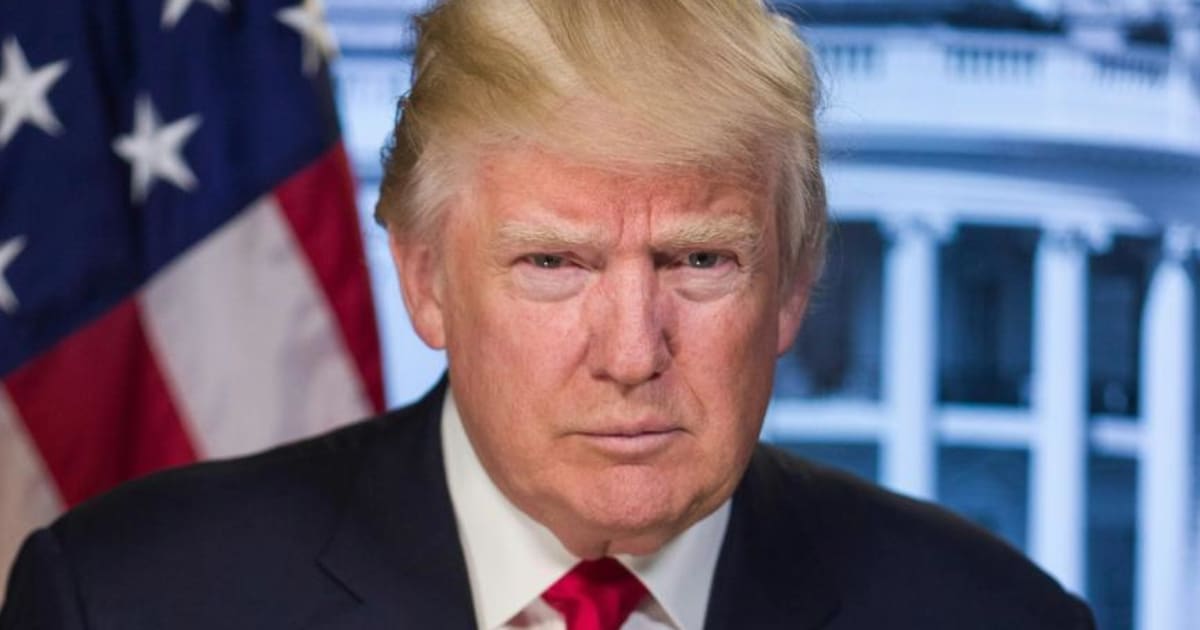
The sudden stabilization of Middle Eastern geopolitics is set to redefine India's macroeconomic trajectory. By slashing the crude oil risk premium, this peace agreement offers a rare window for margin expansion in the aviation and paint sectors while signaling a strategic rotation away from gold and defense.
The Geopolitical Pivot: Decoding the Iran-US Accord
The global energy landscape shifted overnight as Washington and Tehran signaled a breakthrough in diplomatic relations. For the Indian economy, which imports over 85% of its crude requirements, this is not merely a diplomatic headline—it is a fundamental recalibration of the country’s current account deficit (CAD) and inflationary expectations.
Historically, when the Brent crude risk premium evaporates, the Indian Rupee (INR) experiences a period of relative stability, shielding the economy from imported inflation. As we analyze the post-agreement environment, the correlation between energy costs and Nifty earnings is reaching an inflection point. With crude oil representing the largest single component of India’s import bill, a sustained correction in energy prices functions as a direct stimulus package for the manufacturing and consumption sectors.
How will the Iran-US peace deal impact Indian stock market inflation?
Inflation in India is notoriously sensitive to energy prices, with a 10% increase in crude oil historically adding roughly 40-50 basis points to the Wholesale Price Index (WPI). The peace deal effectively removes the 'geopolitical war premium'—often estimated at $5 to $10 per barrel—from the current price. For the Reserve Bank of India (RBI), this cooling effect provides the necessary headroom to maintain a neutral or accommodative monetary policy, potentially accelerating the timeline for interest rate cuts.
Sectoral Winners: The Margin Expansion Play
- Oil Marketing Companies (OMCs): As retail fuel pricing moves closer to market-linked parity, the under-recoveries that historically plagued balance sheets for IOCL and BPCL are set to vanish.
- Aviation: ATF (Aviation Turbine Fuel) accounts for nearly 40% of an airline's operating cost. With oil cooling, companies like Indigo can see immediate EBITDA margin expansion of 200-300 basis points.
- Paint Manufacturers: Companies like Asian Paints rely heavily on crude-derived petrochemical inputs. Lower raw material costs will likely lead to a significant expansion in gross margins.
Stock-by-Stock Deep Dive: Winners and Losers
To navigate this shift, investors must distinguish between companies with operating leverage and those facing structural headwinds.
The Winners
- IOCL (Indian Oil Corporation): With a massive refining capacity, lower crude prices improve refining margins (GRMs). Expect a re-rating if the government allows for sustained retail price stability.
- BPCL / HPCL: These state-owned OMCs are the primary beneficiaries of lower input costs and are currently trading at attractive P/E multiples relative to their historical averages.
- Indigo (InterGlobe Aviation): As the dominant player in the domestic skies, lower ATF costs will directly bolster bottom-line profitability, making it a high-beta play on the energy correction.
- Asian Paints: Crude derivatives are the lifeblood of paint production. Lower energy prices are a direct margin tailwind for this sector leader.
The Losers
- ONGC & Oil India: As upstream players, their profitability is tethered to the realized price of crude. A drop in global oil prices directly hits their top-line revenue and profitability.
- Gold (Gold ETFs/Jewellery): As geopolitical uncertainty wanes, the 'safe-haven' appeal of gold diminishes. Expect a rotation of capital out of precious metals and into equities.
- Defence Sector: Stocks like HAL and Bharat Dynamics, which have rallied on heightened regional tensions, may face a correction as the 'war premium' in their valuation models is stripped away.
Expert Perspective: The Bull vs. Bear Case
The Bull Argument: The de-escalation is a permanent shift that allows India to transition from a defensive macro stance to an aggressive growth phase. Lower oil means higher household disposable income, which drives FMCG and consumer discretionary spending.
The Bear Argument: Geopolitics is notoriously cyclical. A 'peace' agreement is often fragile. If supply chains are not fully restored or if regional proxies continue to disrupt the Strait of Hormuz, the market could face a violent 'snap-back' rally in oil prices.
Actionable Investor Playbook
Investors should adopt a staggered entry approach over the next 30 days. We recommend trimming exposure to the Defence sector and reallocating into energy-downstream companies (OMCs and Paints) during minor pullbacks. The focus should be on companies with high operating leverage that have been unfairly punished by high oil prices in the last two quarters.
Risk Matrix: Monitoring the Volatility
| Risk Factor | Probability | Impact |
|---|---|---|
| Diplomatic Reversal | Medium | High |
| OPEC+ Supply Cut | High | Medium |
| Currency Volatility | Low | Medium |
What to Watch Next
The immediate catalyst is the upcoming OPEC+ meeting where members will decide on production quotas in light of the new peace agreement. Additionally, monitor the RBI’s next MPC meeting for any shift in language regarding the 'inflationary risks of crude.' If the central bank turns dovish, expect a broad-based rally in Nifty 50 and Nifty Midcap indices.
Disclaimer: This content is generated by WelthWest Research Desk based on publicly available reports and is for informational purposes only. It does not constitute financial advice, investment recommendations, or an offer to buy or sell securities. Always consult a qualified financial advisor before making investment decisions.


