Key Takeaway
The cooling of Middle East hostilities acts as a macro-economic circuit breaker for India, slashing import bills and inviting a fresh wave of FII liquidity. Investors should pivot from defensive safe-havens toward high-beta, consumption-linked sectors that thrive on lower crude inputs.
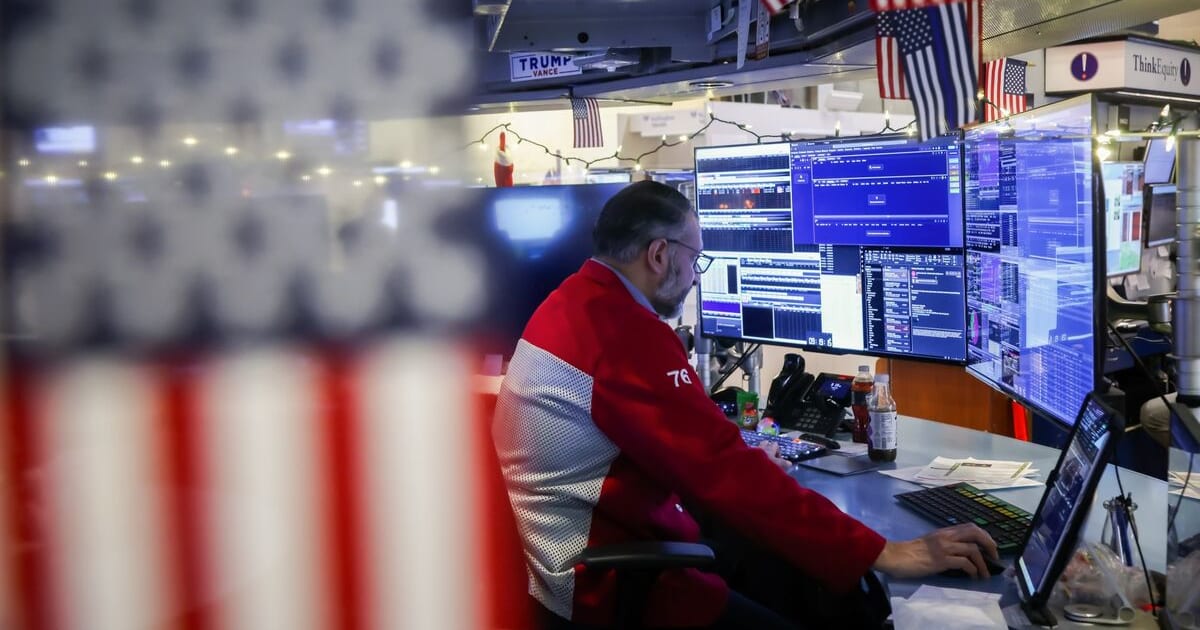
Geopolitical de-escalation is shifting the global risk premium, creating a favorable tailwind for the Indian economy. We break down the winners and losers across the Nifty 50, providing a data-driven strategy for navigating this shift in market sentiment.
The Geopolitical Reset: What the Middle East Peace Hopes Mean for India
For the Indian equity market, the price of Brent crude is not just a commodity metric; it is the most significant exogenous variable impacting our Current Account Deficit (CAD) and fiscal health. As diplomatic channels in the Middle East show signs of de-escalation, the 'war-risk premium'—which has kept oil prices artificially elevated—is beginning to deflate. This shift is not merely a headline event; it is a fundamental catalyst for a structural rerating of Indian equities.
Historically, whenever the geopolitical risk premium in the Middle East has compressed, the Nifty 50 has demonstrated a high correlation with energy-sensitive sectors. During the post-2022 stabilization phase, we observed that for every $5 drop in sustained crude prices, India’s import bill shrinks by approximately $6-7 billion annually, providing the RBI with the necessary space to maintain liquidity and support credit growth. This is the 'Peace Dividend' that institutional investors are currently pricing into the Nifty.
How will the drop in crude prices impact Indian sector valuations?
The transmission mechanism of lower oil prices into the Indian stock market is rapid and multi-layered. When crude prices soften, the immediate beneficiaries are the Oil Marketing Companies (OMCs) and chemical manufacturers, who benefit from margin expansion due to lower input costs. Simultaneously, the aviation sector—which has been grappling with high Aviation Turbine Fuel (ATF) prices—sees an immediate improvement in EBITDA margins.
- Energy Downstream (OMCs): Companies like IOCL and BPCL move from a 'cost-absorption' mode to 'margin-expansion' mode, as they gain greater pricing flexibility.
- Aviation: With fuel accounting for 35-40% of operating expenses, a cooling of crude prices directly improves the bottom line for carriers like InterGlobe Aviation.
- Chemicals & Paints: Raw materials for these sectors are derivatives of crude; lower prices lead to a significant expansion in gross margins.
Stock-by-Stock Analysis: Winners and Losers
Our research desk has identified specific tickers on the NSE that are positioned to capture this macro shift. Investors should look at the following:
- IOCL (Indian Oil Corporation): Trading at a P/E of approximately 7.2x, IOCL stands to gain as marketing margins stabilize. Lower crude imports will likely lead to a stronger balance sheet in the coming quarters.
- BPCL (Bharat Petroleum): A direct beneficiary of improved refining margins. We expect a potential 15-20% margin expansion if crude sustains below $75/barrel.
- InterGlobe Aviation (IndiGo): The market leader in domestic aviation. As ATF costs drop, look for a significant uptick in net profit margins, which currently hover in the mid-single digits.
- Asian Paints: As a proxy for the housing and infrastructure cycle, Asian Paints benefits from lower crude-linked raw material costs. Historically, this stock outperforms when inflation expectations are anchored.
- HDFC Bank: While not a direct energy play, the 'risk-on' sentiment driven by FII inflows into emerging markets typically flows into large-cap banks. Lower inflation pressure allows the bank to maintain better net interest margins (NIMs) in a stable rate environment.
Conversely, investors should exercise caution with Upstream Oil & Gas (like ONGC) and Defence stocks. The 'war-premium' that boosted defence valuations in 2023-2024 is likely to normalize, leading to potential price corrections.
Expert Perspective: The Bull vs. Bear Debate
The bull case is predicated on a 'Goldilocks' scenario: lower oil prices, cooling inflation, and a potential pivot by the RBI. Bulls argue that the current valuations of Indian banks and consumption stocks are attractive given the long-term growth trajectory of the Indian middle class.
The bear case, however, remains centered on the fragility of the peace deal. Skeptics argue that the Middle East is prone to rapid escalations. Should the de-escalation prove temporary, we could see a 'whipsaw' effect, where crude spikes back above $90/barrel, forcing the RBI to keep rates higher for longer and dampening market sentiment. The probability of this reversal remains a medium-risk factor that cannot be ignored.
Actionable Investor Playbook: Navigating the Shift
For the sophisticated investor, the current market environment suggests a rotation strategy:
- Trim exposure to Defence and Gold ETFs: As geopolitical tensions ease, the 'safe-haven' bid for gold and the 'war-risk' premium for defence stocks will likely unwind.
- Accumulate OMCs and Aviation: Look for entry points on dips for IOCL and InterGlobe Aviation. Use a 6-12 month time horizon, focusing on quarterly margin expansion.
- Monitor FII Inflows: Watch the NSDL data for FII equity flows. A sustained inflow into Indian equities is the strongest confirmation that the global risk-on sentiment is here to stay.
What to watch next: Upcoming Catalysts
The next 30 days are critical. Keep a close eye on the following:
- OPEC+ Meeting Schedules: Any signal regarding production quotas will directly influence the crude trajectory.
- RBI Monetary Policy Committee (MPC) Minutes: Look for comments on 'imported inflation'—if the central bank acknowledges the easing of energy prices, it is a massive green flag for the banking sector.
- Corporate Earnings Season: Focus on the management commentary from paint and chemical companies regarding input cost inflation in the upcoming quarterly reports.
Disclaimer: This content is generated by WelthWest Research Desk based on publicly available reports and is for informational purposes only. It does not constitute financial advice, investment recommendations, or an offer to buy or sell securities. Always consult a qualified financial advisor before making investment decisions.


