Key Takeaway
Morgan Stanley’s move to commoditize crypto trading marks the end of the 'premium fee' era for digital assets. For Indian brokerages, the pressure to innovate or compress margins has never been higher as global institutionalization forces a domestic reckoning.
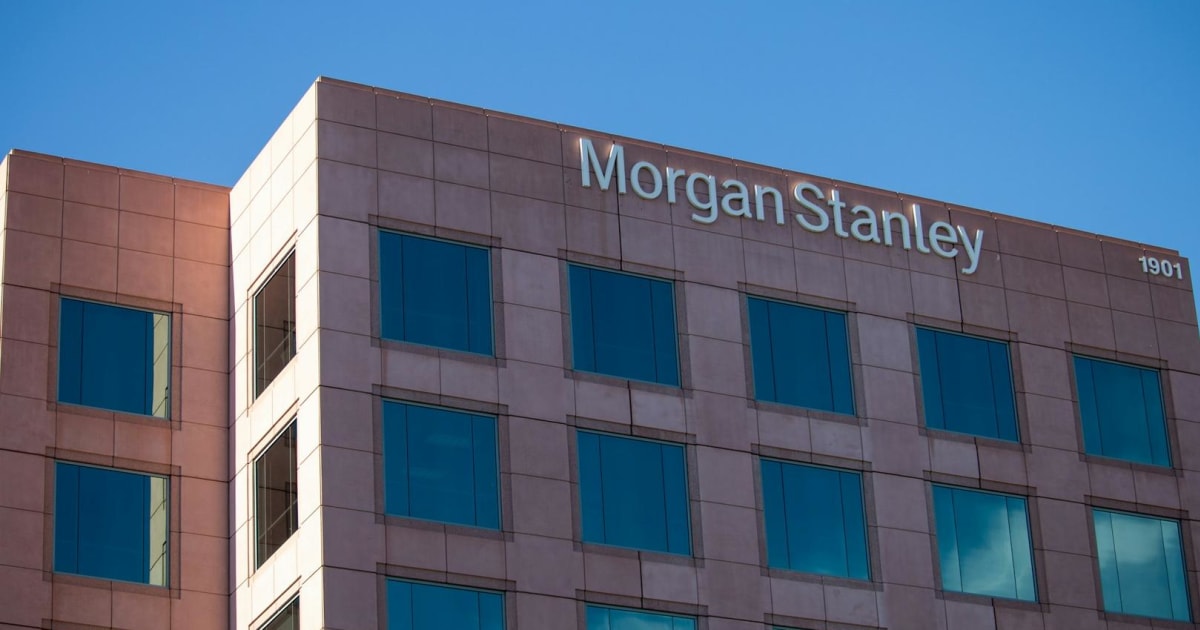
Morgan Stanley has launched an aggressive low-fee crypto trading platform on E*Trade, signaling a massive shift in how traditional finance views digital assets. This move creates a direct competitive threat to Indian brokerage firms reliant on high-margin trading services. We analyze the specific risks to NSE/BSE-listed players and the broader implications for the Indian capital markets.
The Institutionalization of Crypto: Why Morgan Stanley’s Move is a Game Changer
The financial services landscape just shifted on its axis. Morgan Stanley’s decision to integrate low-fee crypto trading into the E*Trade ecosystem isn't just another product launch; it is the definitive institutional seal of approval for digital assets. By undercutting existing exchange fee structures, Morgan Stanley has effectively commoditized crypto, forcing the rest of the brokerage industry to treat Bitcoin and Ethereum as standard asset classes rather than speculative outliers.
For investors, this marks the transition from the 'Wild West' era of crypto exchanges to a regulated, fee-compressed environment. The implications are profound: as global giants lower the barrier to entry, the 'fee-float' that many traditional brokerages rely on is under immediate threat. If the global standard for trading fees trends toward zero, Indian brokerages cannot remain isolated from this deflationary pressure.
How Will This Global Shift Affect Indian Brokerage Stocks?
The Indian brokerage sector is currently enjoying a golden era of retail participation, with demat accounts crossing the 160-million mark. However, the 'Morgan Stanley Effect' poses a structural risk to the current revenue models of domestic players. Historically, when global brokerage giants pivot, Indian firms follow within 18-24 months due to competitive benchmarking by institutional investors.
If Indian regulators, pressured by global trends, eventually allow for regulated crypto-linked financial products, the 'first-mover' advantage will belong to firms that have already invested in robust digital infrastructure. Firms that rely heavily on traditional equity brokerage fees (which currently trade at P/E ratios ranging from 25x to 40x) may see margin compression if they are forced to participate in a race to the bottom on trading fees.
The Sector-Level Breakdown: Who Wins and Who Loses?
The winners in this new paradigm are firms with high digital agility and low customer acquisition costs. Conversely, legacy firms with high physical overhead and rigid fee structures are facing a 'Kodak moment.' When we look at the Indian market, the impact will be bifurcated between pure-play discount brokers and full-service legacy firms.
Stock-by-Stock Breakdown: Risks and Opportunities
- Angel One (ANGELONE): As a digital-first discount broker, Angel One is well-positioned to pivot. Its tech-stack is built for high-volume, low-margin transactions. Impact: Neutral-to-Positive; if crypto becomes a regulated asset class in India, Angel One’s existing user base is the most likely to adopt crypto products.
- ICICI Securities (ISEC): With a strong banking parent, ISEC occupies a premium space. Impact: Negative; the firm relies on cross-selling. If crypto trading becomes a low-fee commodity, ISEC’s high-margin advisory model faces a direct threat from global platforms that offer 'all-in-one' low-cost access.
- Motilal Oswal Financial Services (MOTILALOFS): Known for its wealth management and research-heavy approach. Impact: Negative; their business model is built on high-touch advisory services. A shift toward automated, low-fee digital assets could erode their share of the younger, tech-savvy investor wallet.
- BSE Ltd (BSE): As the exchange operator, BSE is the ultimate beneficiary of increased market volume, regardless of the asset class. Impact: Positive; if India moves toward a regulated crypto exchange framework, BSE’s infrastructure provides the most stable platform for clearing and settlement.
Expert Perspective: The Bull vs. Bear Debate
The Bull Argument: Proponents argue that Morgan Stanley’s move validates the asset class, providing the regulatory cover necessary for the RBI and SEBI to eventually formalize digital asset trading in India. This would expand the Total Addressable Market (TAM) for Indian brokers, leading to higher volumes and offsetting lower per-trade fees.
The Bear Argument: Skeptics, particularly those watching the RBI’s cautious stance, argue that this move creates a 'regulatory arbitrage' risk. If Indian firms cannot offer these products due to local restrictions, they will lose market share to global platforms that allow Indian residents to trade through offshore accounts, leading to a permanent 'brain drain' of retail capital.
Actionable Investor Playbook
Investors should look for 'Platform Resilience' rather than just fee-based revenue. As Morgan Stanley sets the global price floor, monitor the following:
- Watchlist: Keep a close eye on firms aggressively investing in 'Open API' architectures.
- Entry Points: Avoid brokerage stocks with high P/E ratios (>35x) that have not yet articulated a strategy for digital asset integration.
- Time Horizon: This is a 3-5 year structural play. Do not expect immediate disruption, but watch for regulatory signals in the Union Budget or RBI circulars regarding digital asset custody.
Risk Matrix
| Risk | Probability | Impact |
|---|---|---|
| Regulatory Crackdown (India) | High | High |
| Fee Compression (Margin Erosion) | Medium | High |
| Systemic Cyber/Custody Risk | Low | Critical |
What to Watch Next: The Catalysts
The most important data point to watch is the upcoming SEBI consultation papers on digital asset service providers. Additionally, monitor the quarterly earnings of global brokerages—if their 'crypto-revenue' line item grows significantly, the pressure on Indian firms to lobby for a local framework will become irresistible. Keep a close watch on the next RBI Monetary Policy Committee (MPC) meeting for any nuanced language regarding 'Digital Assets' vs 'Virtual Currencies'.
Disclaimer: This content is generated by WelthWest Research Desk based on publicly available reports and is for informational purposes only. It does not constitute financial advice, investment recommendations, or an offer to buy or sell securities. Always consult a qualified financial advisor before making investment decisions.