Key Takeaway
Tesla and SpaceX’s 'Terafab' move signals a shift to space-based AI computing, creating a massive tailwind for Indian engineering and space-tech design firms. Investors should pivot toward companies capable of high-end semiconductor integration and orbital infrastructure support.
Elon Musk has unveiled 'Terafab,' an ambitious project to manufacture AI chips and compute power in orbit, effectively bypassing Earth’s energy and land constraints. This paradigm shift creates a new frontier for Indian IT services and space-tech manufacturers. We break down the winners, losers, and the long-term implications for your portfolio.
The Final Frontier of AI: Why Musk’s Terafab Changes Everything
When Elon Musk talks, the market listens—but with the launch of Terafab, he isn't just talking about cars or rockets anymore. He is proposing a fundamental decoupling of Artificial Intelligence from the terrestrial energy grid. By moving chip manufacturing and compute clusters into orbit, Tesla and SpaceX are effectively solving the 'energy bottleneck' that currently plagues every major AI firm on Earth.
But how does a project happening 300 miles above the atmosphere affect the Nifty 50? The answer lies in the massive, untapped potential of India’s Engineering Research & Development (ER&D) sector and our burgeoning space-tech ecosystem.
The Indian Market Connection: A New Era for ER&D
For Indian markets, Terafab isn't just a science project; it’s an industrial call-to-arms. Moving high-end computing to space requires an unprecedented level of software-defined hardware and autonomous design. This plays directly into the strengths of India’s top-tier IT services companies.
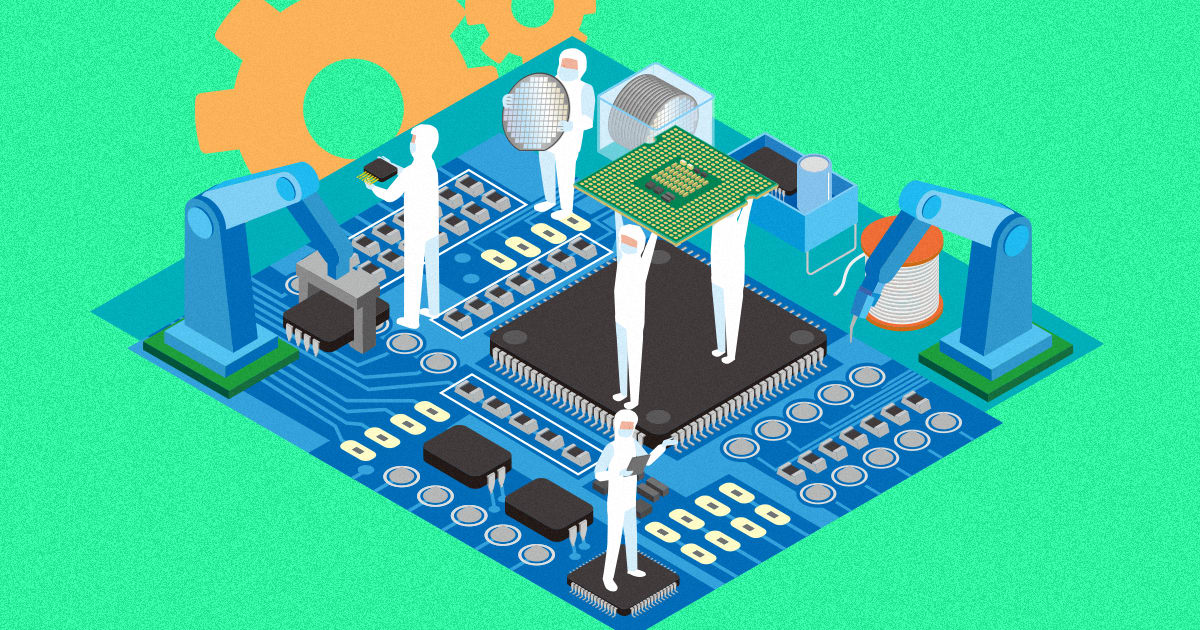
As Tesla and SpaceX seek to miniaturize and optimize chips for the harsh, low-gravity vacuum of space, they will rely heavily on the sophisticated design capabilities found in India. We are looking at a paradigm shift where Indian engineers won't just be maintaining legacy systems—they will be the architects of orbital compute infrastructure.
The Winners: Who Stands to Gain?
This shift favors companies that sit at the intersection of complex mechanical engineering and software precision. The following firms are positioned to become key nodes in the Terafab supply chain:
- Tata Elxsi: As a leader in design and embedded product engineering, they are perfectly placed to handle the complex simulation and software requirements of space-based compute nodes.
- LTIMindtree & HCL Technologies: These giants have the massive scale required to handle the 'digital twin' simulations and AI-driven supply chain logistics that a multi-billion dollar orbital project will demand.
- MTAR Technologies & Data Patterns: These are the true 'boots on the ground' for the space economy. As Terafab scales, the demand for precision components, satellite subsystems, and orbital communication tech will skyrocket, directly benefiting these specialized players.
The Losers: Why Traditional Data Centers Are at Risk
The transition to space-based compute isn't great news for everyone. Traditional, land-based data center providers who rely on massive, energy-intensive cooling infrastructures face a long-term existential threat. As orbital computing becomes more cost-effective, companies that have bet heavily on terrestrial 'server farms' may find themselves holding legacy assets that are increasingly expensive to power and maintain.
Similarly, legacy power utilities that rely on supplying massive, concentrated energy loads to data centers could see their 'moat' evaporate as compute power migrates to decentralized, solar-powered orbital platforms.
Investor Insights: What to Watch Next
Don't fall for the hype alone. The capital expenditure required for Terafab is astronomical—literally. Investors need to monitor three key metrics over the next 18 months:
- Design Outsourcing Trends: Keep a close eye on the contract wins for Indian ER&D firms. If we see a surge in 'space-grade' semiconductor design mandates, the bull case for Indian IT will strengthen significantly.
- Regulatory Milestones: Space debris management and international orbital sovereignty are the 'silent killers' of this project. If global regulations tighten, the timeline for commercial viability will push back, potentially cooling the stock momentum.
- Renewable Integration: The viability of Terafab rests on solar energy in space. Look for Indian renewable energy firms that are partnering with global space-tech players to develop high-efficiency, lightweight solar panels capable of surviving the orbital environment.
The Bottom Line
Terafab represents the next phase of the AI gold rush. While the risks are high, the strategic shift toward space-based computing is inevitable. For the Indian investor, the opportunity lies in the infrastructure of the infrastructure—the software, the chips, and the precision hardware that will make the orbital AI revolution possible. Position your portfolio not just for the tech of today, but for the orbital economy of tomorrow.
Disclaimer: This content is generated by WelthWest Research Desk based on publicly available reports and is for informational purposes only. It does not constitute financial advice, investment recommendations, or an offer to buy or sell securities. Always consult a qualified financial advisor before making investment decisions.