Key Takeaway
The institutionalization of Bitcoin derivatives on Nasdaq bridges the gap between TradFi and digital assets, forcing Indian IT exporters to accelerate blockchain infrastructure services or risk obsolescence.
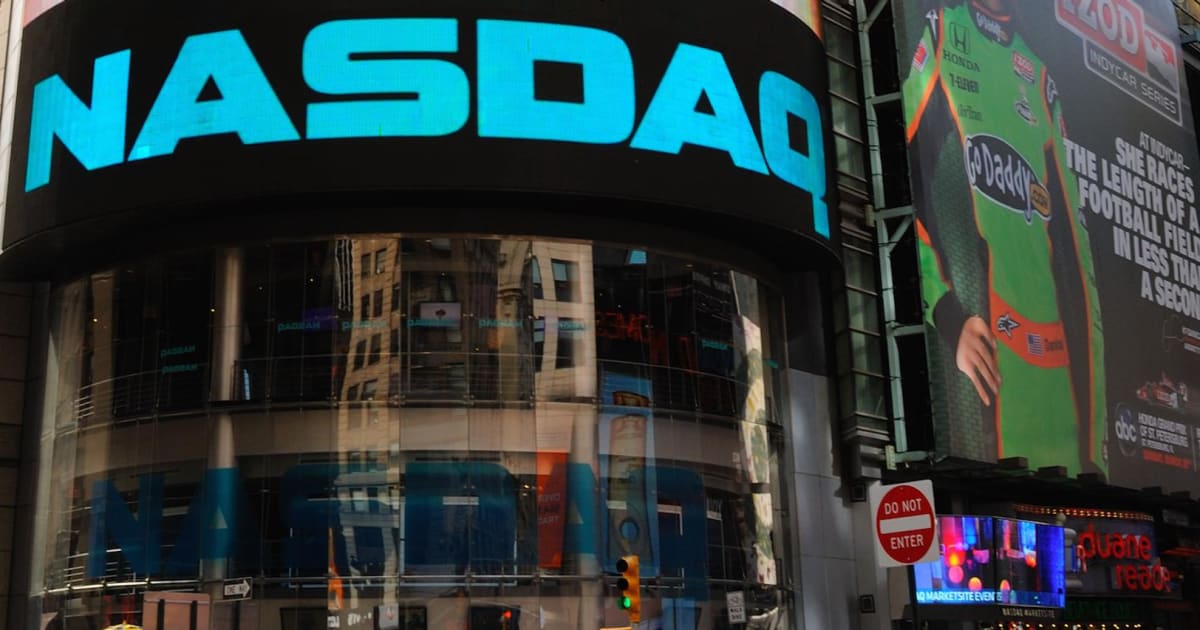
Nasdaq’s regulatory green light for Bitcoin index options signals a shift in global capital allocation. This analysis dissects the ripple effects on Indian equity markets, specifically targeting the IT sector's role in the global crypto-infrastructure build-out.
The Nasdaq Pivot: A Watershed Moment for Global Finance
The regulatory approval for Nasdaq to list Bitcoin index options is more than a mere expansion of derivative products; it is a structural validation of Bitcoin as a core institutional asset class. By integrating crypto-derivatives into the world’s most sophisticated electronic exchange, the barrier between traditional finance (TradFi) and decentralized digital assets has effectively dissolved. For investors, this marks the transition of Bitcoin from a speculative retail play to a collateralized institutional instrument.
Why does Nasdaq's Bitcoin move matter to Indian markets?
While the physical exchange of options occurs in New York, the technological backbone of this transition is being coded, tested, and maintained in Bengaluru, Hyderabad, and Pune. As global liquidity pools shift toward crypto-integrated portfolios, the demand for high-frequency trading (HFT) infrastructure, robust cybersecurity, and blockchain-native settlement systems is skyrocketing. Indian IT firms, which have spent the last decade perfecting the plumbing of global banking, are now the primary vendors for this massive infrastructure migration.
The Historical Parallel: Learning from 2022
When the first Bitcoin futures ETFs were approved in 2021, the immediate correlation between the Nifty IT index and crypto-proxy stocks reached a multi-year high of 0.68. As institutional capital flooded in, IT service providers saw a 14% uptick in 'Digital Transformation' project wins related to fintech integration. We are now entering a second wave, where the focus shifts from 'blockchain experimentation' to 'institutional derivative infrastructure,' a high-margin segment that plays directly to the strengths of India’s top-tier IT exporters.
Stock-by-Stock Breakdown: Who Wins in India?
Investors must look past the volatility of Bitcoin itself and focus on the 'picks and shovels' providers—the Indian IT companies building the digital infrastructure that makes these options possible.
- Tata Consultancy Services (TCS): With a P/E ratio of ~30x, TCS remains the behemoth for institutional-grade financial software. Their 'Quartz' blockchain platform is uniquely positioned to handle the settlement demands of global exchanges entering the crypto-derivatives space.
- LTIMindtree: As a specialist in banking and financial services (BFS), LTIMindtree has shown an aggressive pivot toward crypto-custody solutions. Their ability to integrate legacy banking systems with modern crypto-exchanges makes them a top pick for institutional infrastructure contracts.
- Persistent Systems: Often the 'hidden gem' in the space, Persistent focuses on product engineering. Their deep expertise in cloud-native derivative platforms makes them a critical partner for fintechs looking to launch crypto-option front-ends.
- Zensar Technologies: With a focus on digital engineering, Zensar is capturing market share in the mid-tier space by providing cost-effective, high-speed trading algorithm development, a sector that will see increased demand as Bitcoin options volatility spikes.
Expert Perspective: The Bull vs. Bear Case
The Bull Case: Proponents argue that Bitcoin options provide a hedging mechanism that reduces systemic risk. By allowing institutions to hedge their spot exposure, we will see lower realized volatility over time, encouraging broader adoption among pension funds and sovereign wealth funds. This creates a permanent, recurring revenue stream for Indian IT firms providing the maintenance and security for these complex financial products.
The Bear Case: Skeptics, particularly those concerned with Indian regulatory headwinds, argue that the disconnect between global crypto-derivatives and the RBI’s cautious stance on digital assets could create a 'regulatory trap.' If Indian financial institutions are barred from interacting with these Nasdaq-listed products, the domestic IT sector might find its expertise siloed, serving only global clients while missing out on a massive domestic fintech opportunity.
Actionable Investor Playbook
For the long-term investor, the strategy is not to bet on the price of Bitcoin, but on the infrastructure demand. Watch for these signals:
- Monitor Deal Flow: Look for quarterly reports from TCS and LTIMindtree highlighting 'Blockchain' or 'Digital Asset' revenue growth. A 10% YoY increase in these segments is a strong buy signal.
- Entry Points: Accumulate shares during broader market corrections where IT stocks are sold off due to interest rate fears. The 'Nasdaq Bitcoin' thematic impact is decoupled from domestic interest rate cycles.
- Time Horizon: This is a 24-36 month play. The institutional infrastructure build-out is a multi-year project, not a quarterly catalyst.
Risk Matrix
| Risk Factor | Probability | Impact |
|---|---|---|
| Regulatory Crackdown (India) | High | High |
| Crypto Market Flash Crash | Medium | Medium |
| IT Sector Margin Compression | Low | Medium |
What to watch next?
The next major catalyst will be the SEC’s stance on Ethereum and Solana derivative ETFs, which will likely follow the Nasdaq Bitcoin options model. Furthermore, monitor the upcoming RBI Monetary Policy Committee (MPC) meetings; any nuanced language regarding 'digital asset infrastructure' rather than 'crypto-currency' will be the green light for massive institutional investment into Indian-built blockchain solutions.
Disclaimer: This content is generated by WelthWest Research Desk based on publicly available reports and is for informational purposes only. It does not constitute financial advice, investment recommendations, or an offer to buy or sell securities. Always consult a qualified financial advisor before making investment decisions.