Key Takeaway
US military actions against Iran have reignited geopolitical risks in the Middle East, driving crude oil prices sharply higher. This poses a significant threat to India's economy, widening its current account deficit and pressuring the Rupee, necessitating a strategic reassessment of investment portfolios.
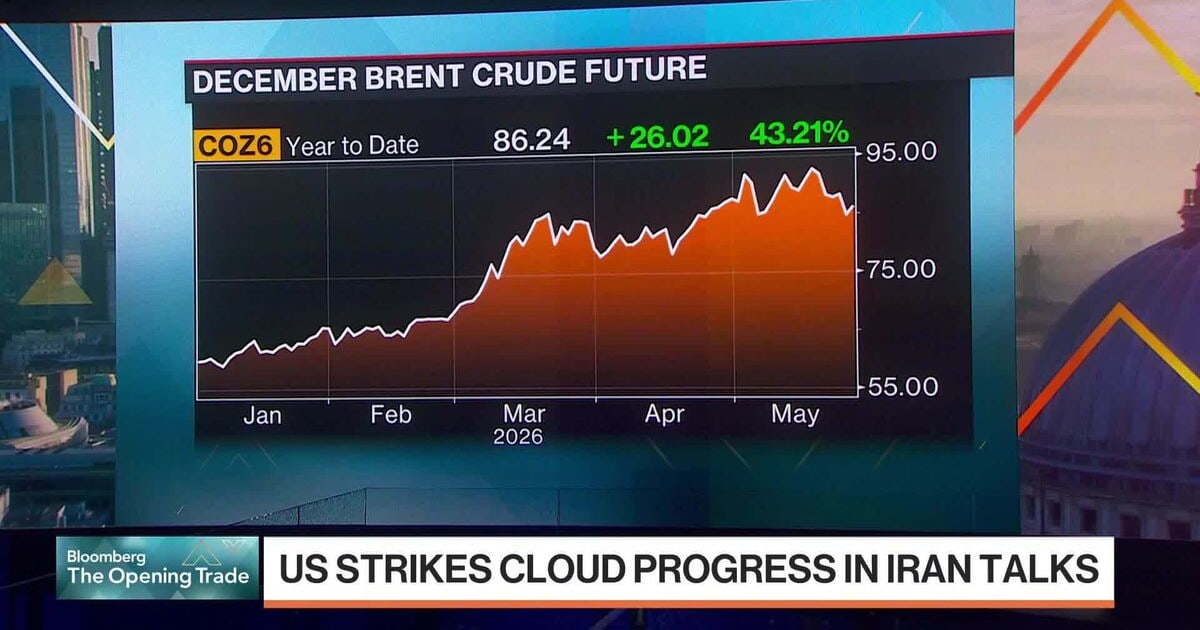
The recent US military strikes on Iranian targets have sent shockwaves through global energy markets, precipitating a substantial rebound in crude oil prices. This escalation in the Middle East, a critical artery for global oil supply, carries direct and severe implications for India's import-dependent economy. Investors must urgently understand the nuanced impacts across various sectors and individual stocks to navigate this volatile landscape.
Geopolitical Tremors: US Strikes Iran, Igniting Crude Oil Rebound and Indian Market Jitters
The delicate geopolitical balance in the Middle East has been shattered by recent US military operations targeting Iranian assets. These decisive actions, aimed at deterring further aggression, have immediately sent tremors through global energy markets, triggering a pronounced rebound in crude oil prices. This isn't merely a fleeting price fluctuation; it represents a significant escalation of tensions in a region that serves as the world's primary energy conduit. For India, a nation heavily reliant on imported crude oil to fuel its burgeoning economy, this development is a critical concern, threatening to widen its current account deficit, destabilize the Indian Rupee, and inflate input costs across a spectrum of energy-dependent industries.
Why the Strait of Hormuz Matters More Than Ever
The strategic significance of the Strait of Hormuz cannot be overstated. This narrow maritime chokepoint, through which approximately 30% of the world's seaborne oil trade passes, is a vital artery for global energy security. Any disruption, perceived or actual, to shipping lanes within or near this strait has an immediate and outsized impact on global oil supply dynamics. The recent strikes, while not directly targeting the strait itself, have heightened anxieties about potential retaliatory actions or broader regional instability. This heightened risk premium is precisely what is driving the current surge in crude oil prices, as markets price in the possibility of supply constraints. For India, a nation that imports over 80% of its crude oil requirements, this directly translates into higher import bills, which have a cascading effect on its balance of payments and overall economic stability. The current account deficit, already a point of concern, is poised to widen further, potentially leading to a depreciation of the Indian Rupee and exacerbating inflationary pressures.
The Ripple Effect: Analyzing the Deep Market Impact on India
The immediate consequence of surging crude oil prices is a significant shift in market sentiment, turning bearish for many sectors and exceptionally bullish for a select few. This geopolitical shockwave is not just about oil; it's about the interconnectedness of the global economy and the vulnerability of energy-dependent nations like India. The last time similar geopolitical tensions significantly impacted oil prices, around early 2022, we witnessed a sharp correction in equity markets, with the Nifty 50 experiencing a notable downturn as inflation concerns mounted. This current scenario, while distinct in its immediate triggers, carries a similar potential for broad market correction if the geopolitical standoff persists or escalates.
Winners in the Oil Price Surge: A Sectoral Deep Dive
The immediate beneficiaries of elevated crude oil prices are, unsurprisingly, the upstream oil producers. Companies involved in the exploration and extraction of crude oil see their revenues and profit margins expand significantly as the price of their primary commodity rises. For Indian public sector undertakings (PSUs) like Oil and Natural Gas Corporation (ONGC) and Oil India Limited (OIL), this translates into a direct increase in their top and bottom lines. These companies operate on the principle that higher crude prices lead to higher realization per barrel, boosting their profitability. Global energy majors also benefit, as their diversified operations often include significant upstream segments. Beyond direct oil producers, gold and other safe-haven assets typically see increased demand during periods of geopolitical uncertainty and economic volatility, as investors seek refuge from riskier assets. Furthermore, the long-term trend towards sustainable energy sources gains further impetus. While immediate beneficiaries are fossil fuel producers, the sustained high cost of traditional energy sources makes investments in renewable energy stocks increasingly attractive, as the economic rationale for transitioning to alternatives strengthens. Companies focused on solar, wind, and battery technology could see renewed investor interest and capital inflows.
Losers Under Pressure: Sectors Facing Rising Costs and Diminished Demand
Conversely, the negative implications for many sectors are substantial. Oil Marketing Companies (OMCs), such as Bharat Petroleum Corporation Limited (BPCL), Hindustan Petroleum Corporation Limited (HPCL), and Indian Oil Corporation Limited (IOCL), face a dual challenge. While they benefit from higher crude prices in terms of inventory valuation, they often face pressure to absorb a portion of the price increase to shield consumers from the full brunt of the hike, thereby squeezing their refining margins and potentially leading to under-recoveries. This can significantly impact their profitability and dividend payouts. The aviation sector is acutely sensitive to fuel costs, which constitute a major portion of an airline's operating expenses. For carriers like InterGlobe Aviation (INDIGO), a sharp increase in jet fuel prices directly translates into higher operational costs, forcing them to either absorb these costs (impacting profitability) or pass them on to consumers through higher ticket prices, potentially dampening demand. The paints and chemicals industry, which relies heavily on crude oil derivatives as raw materials (e.g., petrochemicals), will experience a significant increase in their input costs. Companies like Asian Paints and Berger Paints, while having strong pricing power, will likely face margin compression if they cannot fully pass on these escalating raw material expenses. The logistics and transportation sector, from trucking to shipping, will also see its operating costs rise due to higher diesel and bunker fuel prices, impacting profitability and potentially leading to increased freight charges across the economy. The automobile sector, already navigating complex market dynamics, will face headwinds from higher fuel prices, which can dampen consumer demand for fuel-inefficient vehicles and increase the overall cost of ownership, affecting companies across the two-wheeler, passenger vehicle, and commercial vehicle segments.
Stock-by-Stock Breakdown: Navigating the Indian Equity Landscape
The impact of rising crude oil prices on specific Indian equities is nuanced, creating clear winners and losers. Understanding these individual impacts is crucial for strategic portfolio allocation.
- ONGC (Oil and Natural Gas Corporation): As a leading domestic crude oil producer, ONGC is a prime beneficiary. Its revenue realization is directly tied to global crude prices. With Brent crude potentially testing higher levels, ONGC's profitability is set to surge. Its current market capitalization stands at approximately ₹2.5 lakh crore, and its P/E ratio, while subject to fluctuations, typically offers a compelling valuation in a high-price oil environment. A sustained rise in crude could see its earnings per share (EPS) significantly improve, making it an attractive investment for those betting on continued oil price strength.
- OIL (Oil India Limited): Similar to ONGC, Oil India Limited benefits directly from higher crude prices. With a market cap of around ₹40,000 crore, it offers a more concentrated play on upstream exploration and production. Its operational efficiency and reserve base will be key determinants of its profit growth in this scenario.
- BPCL, HPCL, IOCL (Oil Marketing Companies): These PSUs are in a more challenging position. While their refining margins might see some inventory gains, the risk of government intervention to control retail fuel prices can lead to significant under-recoveries. This margin squeeze can severely impact their net profits. For instance, IOCL, with a market cap of over ₹1.2 lakh crore, is particularly exposed to the volatility of refining margins and the subsidy burden. Investors need to watch for any potential government policy shifts regarding fuel price deregulation.
- INDIGO (InterGlobe Aviation): As India's largest airline, its profitability is highly sensitive to aviation turbine fuel (ATF) prices, which closely track crude oil. A sustained spike in ATF costs, if not fully passed on, can lead to a sharp contraction in operating margins. INDIGO's market cap of roughly ₹85,000 crore is vulnerable to this cost shock. Any significant uptick in ticket prices due to higher fuel costs could also dampen passenger traffic growth, further impacting revenue.
- ASIANPAINT & BERGEPAINT (Paints & Chemicals): These companies use crude oil derivatives as key raw materials. A rise in crude oil prices directly increases their input costs. While they possess strong brand equity and pricing power, a sustained surge in raw material costs can lead to margin erosion. Asian Paints, with a market cap exceeding ₹2.5 lakh crore, and Berger Paints, around ₹70,000 crore, will need to carefully manage their pricing strategies and procurement to mitigate these impacts.
Expert Perspective: Bulls vs. Bears on the Geopolitical Oil Rally
The market's reaction to geopolitical events is often polarized, with fervent arguments from both bulls and bears. Bulls might argue that the current surge is a necessary correction after a period of underinvestment in traditional energy sources, and that sustained high prices will accelerate the transition to renewables. They would point to the strategic importance of oil and the potential for demand to remain robust despite price increases. Conversely, bears will highlight the severe economic headwinds created by surging energy costs. They will emphasize the impact on inflation, the potential for demand destruction, and the risk of central banks adopting more hawkish stances to combat rising prices. The risk of prolonged supply disruptions or a wider regional conflict remains their primary concern, suggesting that the current price rally could be the precursor to a more significant economic downturn.
How Will RBI's Stance Affect Bank Stocks in This Scenario?
The Reserve Bank of India (RBI) faces a complex dilemma. Rising energy prices contribute to inflation, which typically calls for tighter monetary policy. However, a significant economic slowdown driven by high energy costs might necessitate a more accommodative stance to support growth. If the RBI is forced to maintain higher interest rates for longer to combat inflation, it could put pressure on bank profitability by increasing their cost of funds and potentially slowing down credit growth. Conversely, if the RBI prioritizes growth and signals a potential rate cut, banks could benefit from lower funding costs, but this would come with the risk of higher inflation. Investors in bank stocks, such as HDFC Bank (market cap ~₹5.5 lakh crore) and ICICI Bank (~₹4.2 lakh crore), will be closely watching the RBI's commentary and policy decisions for clues on future interest rate trajectories and their impact on net interest margins.
Actionable Investor Playbook: Navigating the Oil Shock
In times of heightened geopolitical risk and energy price volatility, a strategic and disciplined approach is paramount. The current environment demands a careful reassessment of investment portfolios, focusing on resilience and potential beneficiaries.
- Buy Opportunities: Consider increasing exposure to upstream oil producers like ONGC and OIL, provided their valuations remain attractive and the geopolitical outlook supports sustained high prices. Look for companies with strong balance sheets and efficient extraction capabilities. Also, explore renewable energy stocks. The sustained high cost of fossil fuels makes investments in solar, wind, and battery technology more economically viable. Companies with proven technologies and strong execution capabilities in this space could offer long-term growth potential. Gold, as a traditional safe-haven asset, should be considered for portfolio diversification, especially if geopolitical tensions show signs of escalating.
- Sell/Reduce Exposure: It is prudent to reduce exposure to sectors that are directly and negatively impacted by rising crude oil prices. This includes airlines (e.g., INDIGO), logistics companies, and automobile manufacturers that are heavily reliant on fuel efficiency or face significant input cost increases. While OMCs may seem like oil plays, their margin compression risk makes them less attractive in the short to medium term compared to upstream producers.
- Watch List: Keep a close eye on paints and chemical companies. While they face immediate cost pressures, their ability to pass on these costs to consumers will be a key determinant of their future performance. Monitor their inventory management and pricing strategies. Also, observe the performance of consumer discretionary stocks, as higher energy prices can reduce disposable incomes, impacting demand for non-essential goods and services.
- Entry Points & Time Horizons: For upstream oil and renewable energy stocks, consider phased entry over the next 1-3 months, allowing for market volatility to subside. The time horizon for these investments should be medium to long-term (1-3 years), anticipating continued energy market shifts. For gold, entry can be more opportunistic, looking for dips in price during periods of extreme market fear. Reductions in vulnerable sectors should be executed promptly.
Risk Matrix: Quantifying the Potential Downsides
While the current situation presents opportunities, the inherent risks cannot be ignored. A robust risk assessment is critical for informed decision-making.
- Prolonged Shipping Route Disruption (Probability: Medium-High): The most significant risk is a sustained disruption to shipping lanes in the Persian Gulf or related maritime routes. This could trigger supply chain shocks, lead to hoarding, and push oil prices to unprecedented levels, potentially causing global stagflation.
- Sustained Double-Digit Energy Inflation (Probability: Medium): If geopolitical tensions persist, oil prices could remain elevated for an extended period, leading to sustained double-digit inflation in energy costs. This would severely impact household budgets, corporate profitability, and economic growth globally.
- Escalation of Regional Conflict (Probability: Medium): The current strikes could be a precursor to a broader regional conflict, drawing in more actors and further destabilizing energy supplies. Such an escalation would have profound and unpredictable consequences for global markets and political stability.
- Aggressive Monetary Tightening (Probability: Medium): Faced with persistent inflation driven by energy costs, central banks, including the RBI, might be forced to maintain or even increase interest rates. This could lead to a sharp economic slowdown or recession, impacting equity markets broadly.
What to Watch Next: Catalysts and Data to Monitor
The narrative around oil prices and their impact on the Indian market is dynamic and will be shaped by several upcoming catalysts and data releases:
- Geopolitical Developments: Any further military actions, diplomatic statements, or retaliatory measures from Iran or other regional powers will be closely watched. The de-escalation or escalation of tensions will be the primary driver.
- OPEC+ Meetings and Production Decisions: Decisions by the Organization of the Petroleum Exporting Countries and its allies (OPEC+) on production quotas can significantly influence global oil supply and prices.
- US and Global Inflation Data: Key inflation indicators, particularly CPI and PPI figures from the US and India, will dictate central bank responses and market sentiment.
- RBI Monetary Policy Statements: The RBI's stance on interest rates and its assessment of inflation and growth will be critical for the Indian equity and currency markets.
- Corporate Earnings Reports: Quarterly earnings from Indian companies, especially those in the energy, aviation, and consumer discretionary sectors, will provide real-time insights into how these businesses are weathering the storm. Pay close attention to management commentary on input costs and demand outlook.
- Crude Oil Inventory Data: Weekly reports on crude oil and refined product inventories in major consuming nations (especially the US) can signal shifts in supply and demand dynamics.
By staying informed and adapting investment strategies to these evolving factors, investors can better navigate the complexities of the current geopolitical and energy market landscape.
Disclaimer: This content is generated by WelthWest Research Desk based on publicly available reports and is for informational purposes only. It does not constitute financial advice, investment recommendations, or an offer to buy or sell securities. Always consult a qualified financial advisor before making investment decisions.


