Key Takeaway
Ola Electric's meteoric sales ascent signals a potent revival in India's electric vehicle sector, creating significant upside for EV manufacturers, battery makers, and charging infrastructure providers. Investors must recalibrate portfolios to capture this accelerating trend.
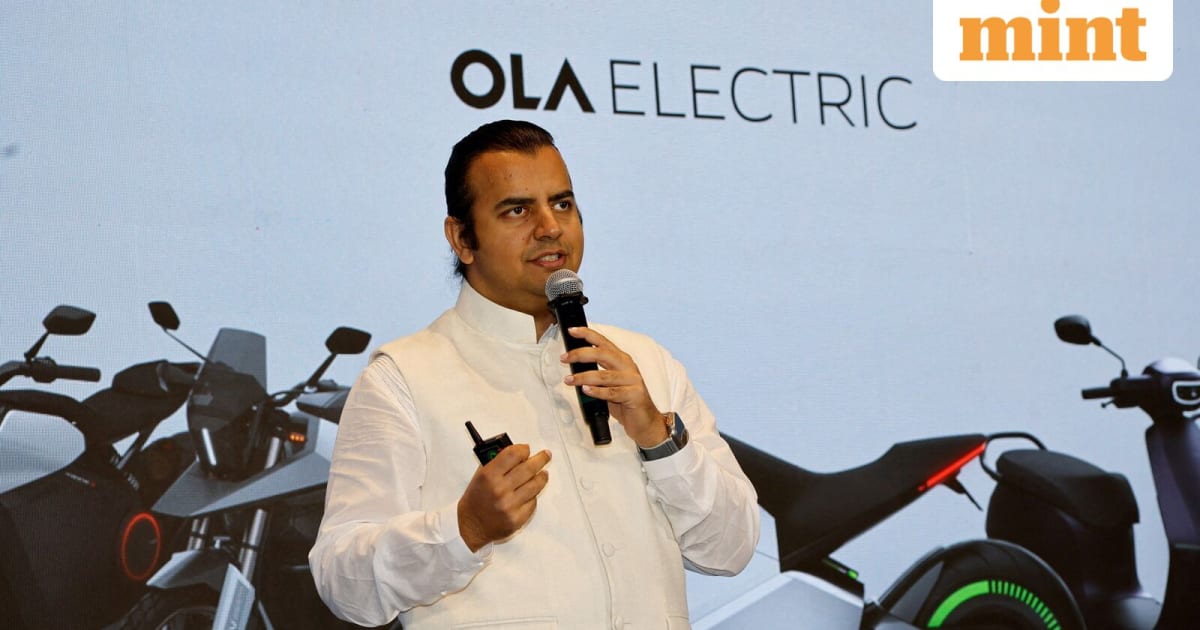
Ola Electric's remarkable sales surge and subsequent stock appreciation are more than just a company success story; they are a powerful indicator of a resurgent Indian EV market. This deep dive examines the profound implications for the broader auto sector, identifying key beneficiaries and potential laggards on the NSE and BSE.
Ola Electric's Explosive Growth: A Harbinger of India's EV Revolution?
The Indian automotive landscape is undergoing a seismic shift, and Ola Electric's recent, dramatic sales performance and subsequent stock market rally are not merely isolated events. They represent a critical inflection point, signaling a potential turnaround and renewed investor confidence in the nation's burgeoning electric vehicle (EV) ecosystem. This surge, characterized by a significant month-on-month sales increase and a substantial uptick in its market valuation, positions Ola Electric as a bellwether for the entire sector. For investors navigating the complexities of the Indian stock market, understanding the underlying drivers and the cascading effects of this momentum is paramount. The implications extend far beyond a single company, impacting traditional automakers, component suppliers, and the nascent infrastructure providers essential for widespread EV adoption.
The 'Why Now?' of Ola Electric's Ascendancy
For months, the narrative surrounding India's EV adoption has been one of cautious optimism, punctuated by infrastructure challenges and price sensitivity. However, Ola Electric's recent performance data, particularly the reported 20% month-on-month growth in April sales, paints a far more dynamic picture. This isn't just about meeting targets; it's about exceeding expectations and demonstrating a tangible consumer appetite for electric mobility. The company's aggressive product launches, coupled with strategic pricing and a focus on building its own manufacturing and charging network, appear to be resonating with a growing segment of the Indian populace. This success comes at a time when the government's push for electrification, through initiatives like FAME II (Faster Adoption and Manufacturing of Electric Vehicles) and Production Linked Incentives (PLI) schemes, is beginning to yield tangible results. The confluence of improved product offerings, supportive policy frameworks, and increasing consumer awareness has created a fertile ground for growth, and Ola Electric has emerged as a primary beneficiary. Its performance is a crucial data point, suggesting that the tipping point for mass EV adoption in India may be closer than previously anticipated.
Deep Market Impact Analysis: The Ripple Effect Across India's Auto Sector
The reverberations of Ola Electric's success are likely to be felt across the entire Indian equity market, particularly within the automotive sector, a cornerstone of the Indian economy and a significant contributor to the Nifty Auto index. A sustained rally in a leading EV player like Ola Electric injects a much-needed dose of bullish sentiment, potentially attracting a fresh wave of domestic and international capital into the EV sub-sector. This is not just about the direct competitors; it's about the entire value chain. The positive performance can catalyze investments in battery manufacturing, charging infrastructure development, and even software and technology solutions integral to modern electric vehicles. Historically, periods of strong growth in specific sectors have often led to broad-based rallies. For instance, the IT sector's boom in the early 2000s saw significant wealth creation across a multitude of IT services and software companies. Similarly, the current EV surge could mirror such a phenomenon, albeit with a different technological focus.
The market capitalization gains for Ola Electric, while not directly reflected in public market indices if it remains private (or if its listed entity shows such trends), serve as a powerful proxy for investor sentiment. This renewed interest can translate into higher valuations for publicly listed EV players, as well as traditional automakers who are aggressively pivoting towards electric offerings. The narrative shifts from one of niche adoption to mainstream potential, influencing analyst ratings, price targets, and ultimately, stock prices on exchanges like the NSE and BSE. The broader implications for the Nifty Auto index are significant; a strong performance from its EV constituents can offset potential headwinds faced by traditional Internal Combustion Engine (ICE) vehicle manufacturers, leading to an overall uplift.
How Will India's EV Growth Affect Traditional Automakers?
The rise of formidable EV players like Ola Electric presents a dual-edged sword for established automotive giants such as Tata Motors, Mahindra & Mahindra, TVS Motor Company, Bajaj Auto, and Hero MotoCorp. On one hand, these companies are direct competitors, vying for the same consumer base and market share in the rapidly expanding EV segment. Their own EV sales figures and product pipeline development will be under intense scrutiny. On the other hand, their ability to successfully transition their manufacturing capabilities, supply chains, and product portfolios towards electric mobility will determine their long-term survival and growth prospects. Companies that are slow to adapt or have significant exposure to legacy ICE components and technologies may find themselves increasingly marginalized. The investment in R&D for EVs, battery technology, and charging solutions will become a critical differentiator. For instance, if Ola Electric's sales growth outpaces that of its established rivals in the EV space, it could signal a potential loss of market share for the latter, impacting their stock performance negatively in the medium to long term. Conversely, those demonstrating robust EV sales and a clear roadmap for electrification are likely to see their valuations bolstered, attracting investors seeking exposure to the future of mobility.
The indirect impact on companies supplying components to the traditional ICE automotive industry cannot be ignored. As the demand for EVs rises, the demand for certain ICE-specific components like exhaust systems, fuel injection systems, and traditional engine parts will likely wane over time. Companies with a high concentration of revenue from these legacy segments will face significant disruption. Conversely, the growth in EVs will create substantial opportunities for battery manufacturers, electric motor suppliers, power electronics firms, and companies involved in battery management systems and thermal management. This bifurcation in the supply chain will be a key theme to watch.
Stock-by-Stock Breakdown: Winners and Losers in the EV Surge
The ongoing EV momentum, spearheaded by companies like Ola Electric, creates a clear hierarchy of potential beneficiaries and those facing headwinds within the Indian stock market. Investors need to identify companies positioned to capitalize on this shift. We analyze key players on the NSE and BSE:
- Ola Electric (if listed): As the catalyst, its performance is directly tied to its own sales and market penetration. A continued upward trajectory in sales and market share would justify its current valuation and potentially lead to further gains. Its ability to scale production efficiently and manage costs will be crucial.
- TVS Motor Company (TVSMOTOR): A strong contender in the two-wheeler segment, TVS has a dedicated EV product line (e.g., iQube) and has shown consistent growth in its electric offerings. Its established brand, distribution network, and manufacturing prowess provide a solid foundation. Continued strong EV sales growth and successful new model launches could see its stock outperform. Investors should monitor its market share gains against both ICE rivals and new EV entrants.
- Bajaj Auto (BAJAJ_AUTO): Similar to TVS, Bajaj Auto is a dominant force in the two-wheeler market and is actively expanding its EV portfolio with models like the Chetak. Its strong brand recall and extensive dealer network are significant advantages. The pace of its EV product development and market acceptance will be key determinants of its stock's performance in this evolving landscape.
- Hero MotoCorp (HEROMOTOCO): While historically a leader in the ICE two-wheeler segment, Hero MotoCorp is making significant investments in its EV strategy, including partnerships and its own Vida brand. Its challenge lies in rapidly gaining traction in the EV space and shifting consumer perception. A successful EV rollout and competitive product offerings could unlock significant upside, but execution risk is present.
- Amara Raja Batteries (AMARAJABAT): As a leading battery manufacturer in India, Amara Raja is a direct beneficiary of the EV boom. Increased demand for electric vehicles translates directly into higher demand for batteries. The company's investments in advanced battery technologies, including lithium-ion, and its ability to secure long-term supply contracts with EV manufacturers will be critical. Its stock is poised for significant growth if it can maintain its technological edge and expand capacity to meet surging demand.
- Exide Industries (EXIDEIND): Another major player in the battery segment, Exide Industries is also well-positioned to benefit from the EV revolution. Similar to Amara Raja, its focus on expanding its lithium-ion battery manufacturing capabilities and forging strategic partnerships with EV makers will be crucial for its growth trajectory. Its ability to innovate and scale production will directly impact its market share and profitability.
Conversely, companies heavily reliant on ICE components without a clear diversification strategy into EV-compatible parts will face increasing pressure. Their stock performance will likely lag as the market re-prices them based on future revenue streams heavily skewed towards electrification.
Expert Perspective: Bulls vs. Bears on India's EV Trajectory
The optimistic outlook surrounding Ola Electric and the broader Indian EV market is not without its dissenting voices. Bulls argue that the current growth is just the beginning, fueled by favorable demographics, government policy, and rapidly improving technology. They point to the potential for India to become a global EV manufacturing hub, attracting significant foreign direct investment and creating a virtuous cycle of innovation and adoption. The sheer size of the Indian two- and three-wheeler market, which is transitioning to electric, presents an unparalleled opportunity.
Bears, however, raise valid concerns about the sustainability of this growth. They highlight the persistent challenges of charging infrastructure availability and reliability, especially outside major metropolitan areas. The upfront cost of EVs, while decreasing, can still be a barrier for a large segment of the price-sensitive Indian consumer base. Furthermore, they emphasize the potential for increased competition, both from domestic players and international manufacturers, which could lead to price wars and margin compression. Execution risks, such as scaling manufacturing, managing supply chain disruptions, and ensuring product quality and safety, remain significant hurdles. The bears also caution against overvaluation, suggesting that current stock rallies may be driven by speculative fervor rather than fundamental, long-term profitability. They would point to historical bubbles in similar nascent industries as a cautionary tale.
Actionable Investor Playbook: Navigating the EV Surge
For investors seeking to capitalize on the Indian EV growth story, a strategic and diversified approach is essential. The current market dynamics call for a proactive stance, focusing on companies with strong fundamentals and clear pathways to sustainable growth in the electric mobility space.
- Buy: Focus on a blend of pure-play EV manufacturers with proven sales traction and strong order books, alongside key component suppliers with significant EV exposure. Companies like TVS Motor Company (TVSMOTOR) and Bajaj Auto (BAJAJ_AUTO) are attractive for their established market presence and ongoing EV investments. For direct play on the EV ecosystem's growth, consider battery manufacturers like Amara Raja Batteries (AMARAJABAT) and Exide Industries (EXIDEIND), provided they demonstrate clear strategic shifts towards lithium-ion and sufficient capacity expansion plans.
- Watch: Closely monitor Hero MotoCorp (HEROMOTOCO) for signs of successful EV market penetration and competitive product launches. Their transition from ICE dominance to EV leadership will be a critical indicator. Also, keep an eye on emerging players and technology providers in the charging infrastructure and battery swapping segments, though these might be more speculative at this stage.
- Sell/Reduce Exposure: Consider reducing exposure to traditional auto component manufacturers that have little to no discernible strategy for adapting to the EV transition. Their long-term viability in a rapidly electrifying market is questionable.
- Entry Points: For established players with strong fundamentals, consider accumulating positions during market dips or consolidation phases. For newer or more speculative plays, a phased entry strategy is advisable to mitigate risk. Look for entry points around key technical support levels, but prioritize fundamental strength over short-term price movements.
- Time Horizons: The EV transition is a multi-year phenomenon. Investors should adopt a medium-to-long-term investment horizon (3-5 years or more) to fully realize the potential of this growth story. Short-term trading opportunities will exist, but the significant wealth creation will likely come from patient investment.
Risk Matrix: Navigating the Uncertainties of the EV Transition
While the outlook is bullish, several risks could impede the rapid growth of the Indian EV market and impact investor returns:
- Infrastructure Deficit (Probability: Medium-High): The pace of charging infrastructure deployment may not keep up with vehicle sales growth, leading to range anxiety and hindering mass adoption, particularly in Tier 2/3 cities and rural areas.
- Supply Chain Volatility (Probability: Medium): Dependence on imported battery components, particularly raw materials like lithium and cobalt, exposes the sector to global geopolitical risks, price fluctuations, and potential shortages.
- Regulatory Changes & Policy Uncertainty (Probability: Medium-Low): While current policies are supportive, shifts in government priorities, changes in subsidy structures (e.g., FAME II), or unexpected regulatory hurdles could significantly impact market dynamics and manufacturer profitability.
- Technological Obsolescence & Competition (Probability: Medium): Rapid advancements in battery technology and intense competition could render existing products or manufacturing processes obsolete, requiring continuous and substantial R&D investment, which could pressure margins.
What to Watch Next: Catalysts for India's EV Stock Performance
The trajectory of Ola Electric and the broader Indian EV market will be shaped by several upcoming catalysts and data releases:
- Upcoming EV Sales Data: Monthly sales figures for all major EV manufacturers (Ola Electric, TVS, Bajaj, Ather Energy, etc.) will be closely watched for sustained growth trends and market share shifts.
- New Product Launches: The introduction of new EV models from established players and startups, particularly in more affordable segments, will be a key indicator of market expansion.
- Government Policy Announcements: Any updates or extensions to the FAME scheme, new PLI incentives for battery manufacturing, or infrastructure development plans will be critical.
- Battery Technology Advancements: News regarding advancements in battery chemistry (e.g., solid-state batteries), cost reductions, and improved energy density will significantly influence long-term market viability.
- Charging Infrastructure Expansion Updates: Reports on the deployment of public and private charging stations, particularly through initiatives by energy companies and startups, will be closely monitored.
The Indian EV market is at a critical juncture. Ola Electric's impressive performance is a powerful signal, but sustained success for the sector will depend on overcoming infrastructure challenges, technological innovation, and robust execution by all stakeholders. Investors who understand these dynamics and position themselves strategically stand to benefit immensely from what is shaping up to be one of India's most significant industrial transformations.
Disclaimer: This content is generated by WelthWest Research Desk based on publicly available reports and is for informational purposes only. It does not constitute financial advice, investment recommendations, or an offer to buy or sell securities. Always consult a qualified financial advisor before making investment decisions.